
Results in 3-4 Weeks
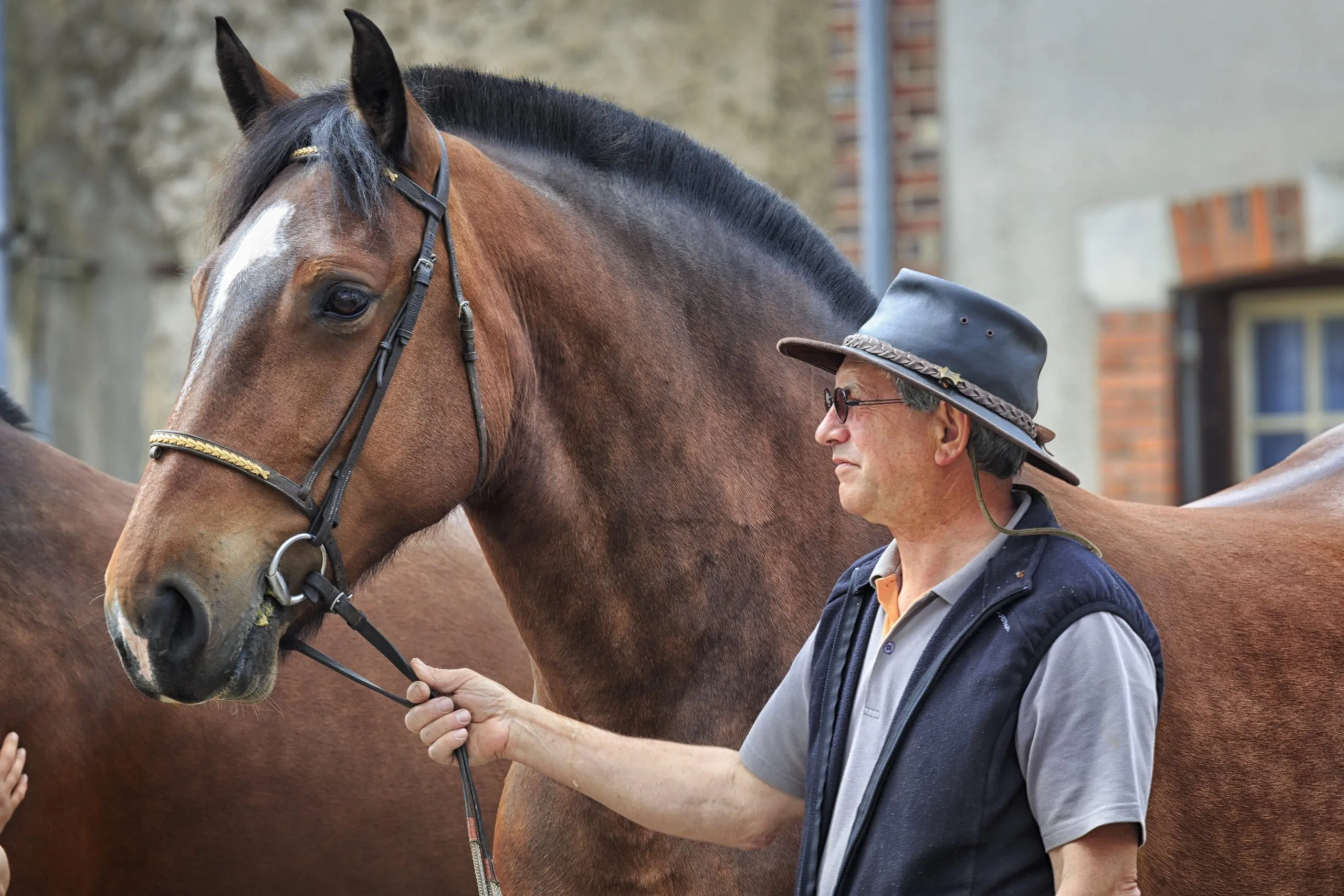
Once your horse's blood sample is delivered to us, the DNA will first be isolated from it. This DNA is then sequenced. If you're unfamiliar with the word, remember that sequencing means reading. We will simply read your horse's entire DNA and then look for important information in it - we will analyze individual markers.
A genetic marker is a specific region in the horse's genome that is responsible for something. It can be, for example, a mutation in a specific gene, basically a defect, or, on the contrary, information that the given animal is healthy, is or is not a carrier of any mutation, or perhaps a positive performance characteristic.
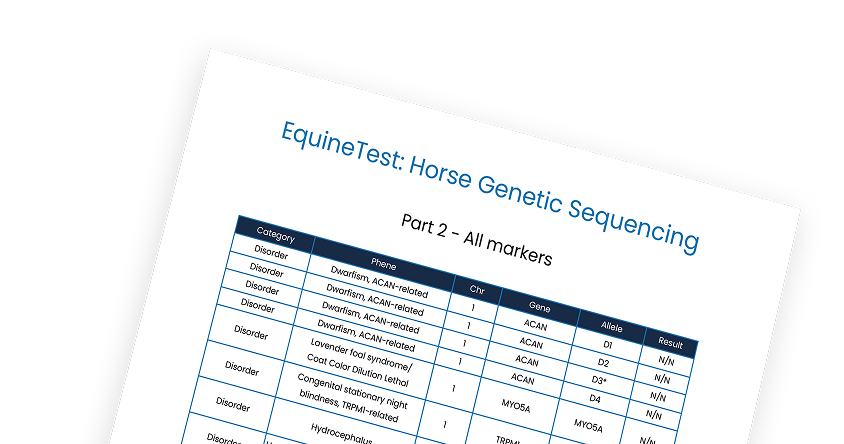
An indicative list of the markers currently analyzed by us can be found in our sample report or you can request it. If you are interested in a specific marker, specific property, etc., and it is not listed in the report, do not hesitate to write to us too. The advantage of whole-genome sequencing is that we have all the data, only we do not analyze it all for certain reasons, for example because there is no clear scientific consensus regarding the given marker. As you can see, our knowledge is constantly developing and you can help paving the way to knowing more!
The entire process of EquineTest is time-consuming. It does require meticulous attitude and includes not only the own laboratory processing of the sample, but also the bioinformatic analysis of the obtained data and the creation of a report for each sequenced horse that you receive from us. Therefore, typically expect the results within about four weeks after the sample is delivered to our laboratory.
Ready to explore your horse’s DNA?
Start with a sample DNA report or order a whole genome DNA test for your horse.
Blog
Genetic Regulation of Body Size in Horses - From Shetlands to Shires
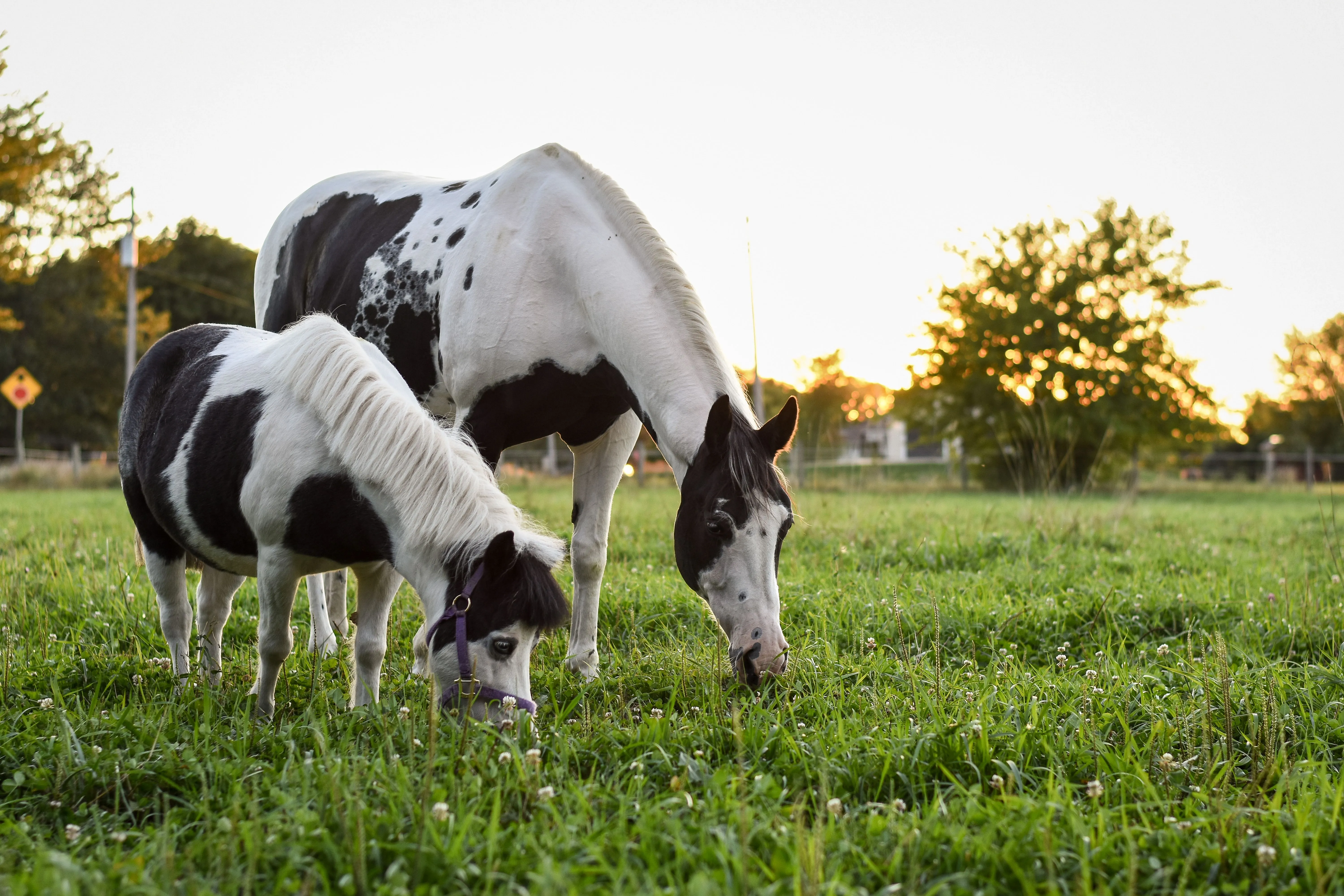
There is considerable variation in height within the horse population. There are tiny ponies, which can be even smaller than some dog breeds, as well as large draught horses, whose height at the withers is often close to 2 metres. While height is to some extent affected by environmental factors, it’s also strongly influenced by genetics. There is not a single gene that determines how tall a horse will eventually become. Rather, the final height of a horse is a result of effects of multiple genes and other factors. Let’s take a look at some of them!

Polygenic Score in Horses: When a Single Mutation is not Enough
Many people associate the term genetics with a simple and direct cause-and-effect relationship: one gene, one mutation, one trait. However, the genetic outcomes for many traits, such as performance, behavior, athleticism, disease susceptibility, and temperament, cannot be simplified in this way, as these traits are not defined by a single mutation but by hundreds to thousands of minor factors, each with its own tiny effect on the outcome. Individually, many of these variants have only a small effect, but when we look at them as a whole, they become more meaningful.
White Markings and their Genetic Background
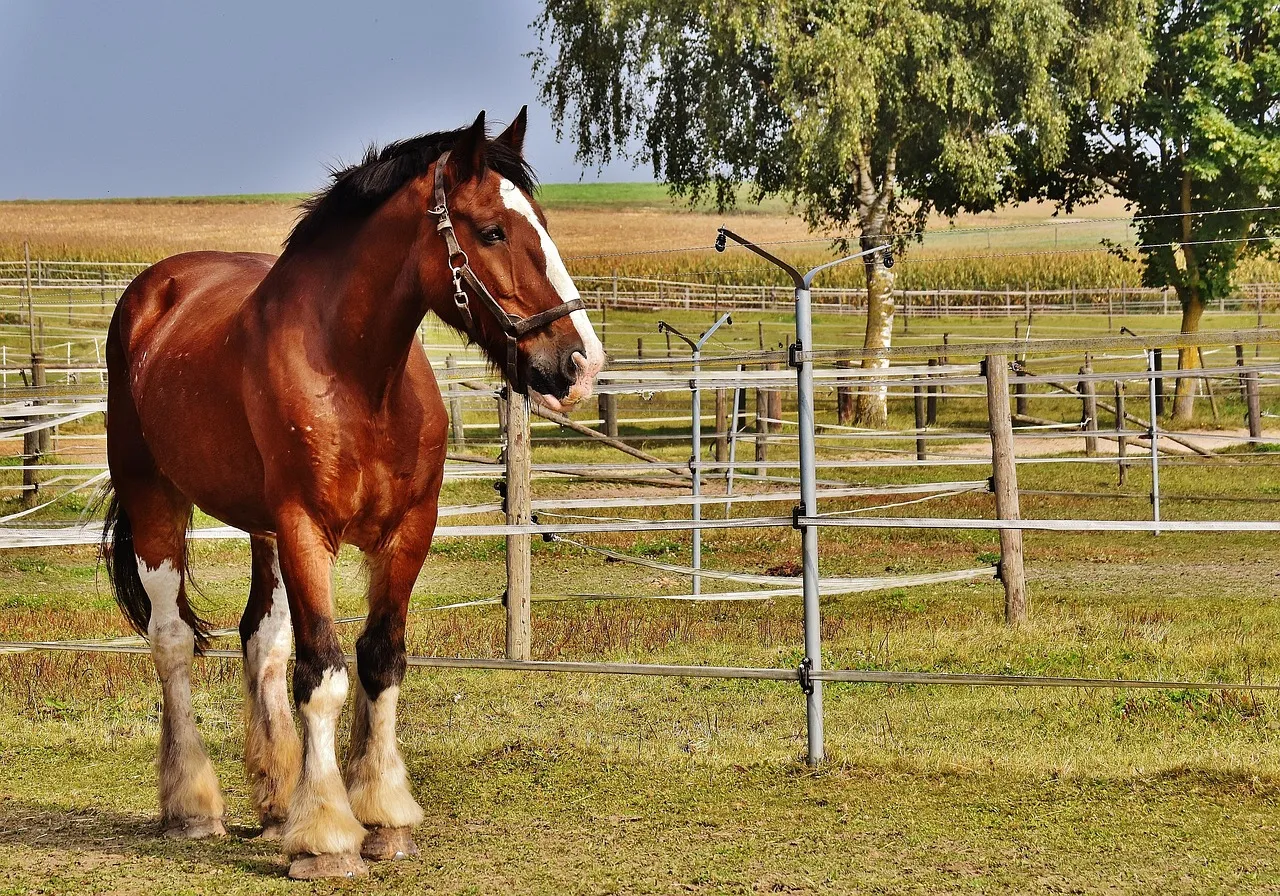
Across the animal kingdom, white markings are thought to be associated with domestication. They are typical for domesticated animals such as dogs, cats, pigs, cows, and horses, in contrast to their wild counterparts. White markings are caused by the absence of melanocytes (pigment-producing cells) in certain body areas, resulting in white hair.
Genetics of Ambling
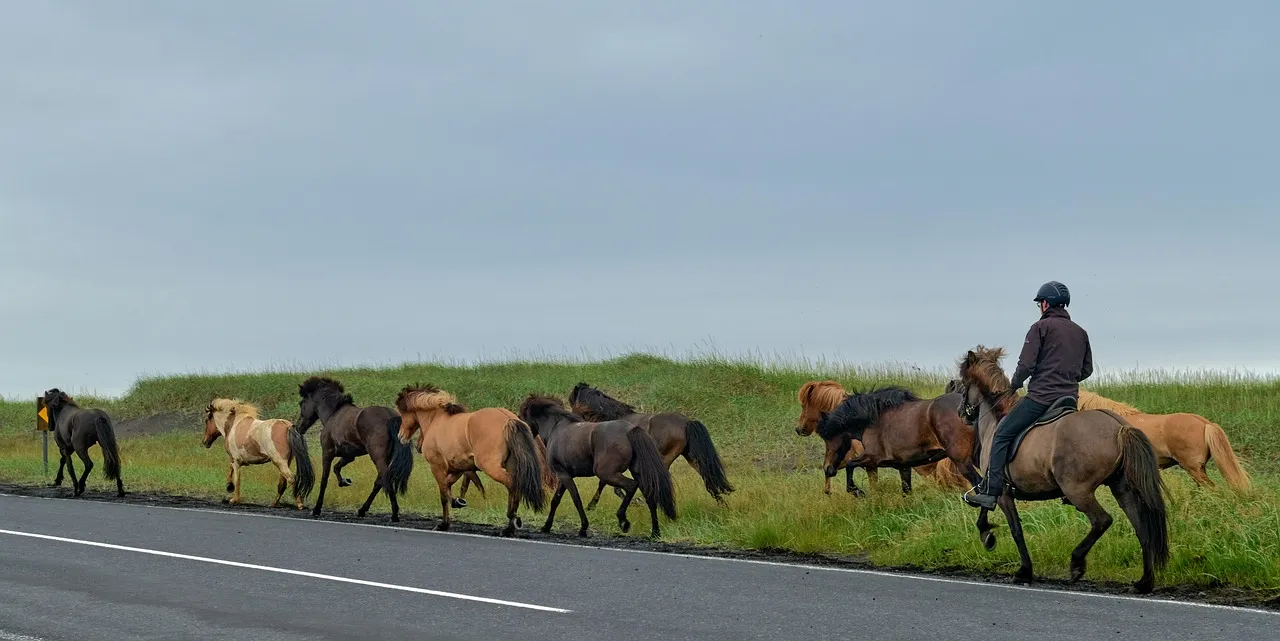
The three basic horse gaits are walk, trot, and canter. Gallop, sometimes considered to be the fourth basic gait, is practically a variant of canter. The main difference between these two gaits is that a canter is a three-beat gait, while a gallop is a faster four-beat gait that covers more ground.