- Horses
20. 2. 2026
Genetic Uniqueness of Horses
Horses combine a number of amazing, perhaps even contradictory characteristics that make them unique in the animal kingdom. They are large, strong, and energetic, yet incredibly gentle and willing — strong enough to carry a rider, remarkably athletic to do it over long distances and varied terrain, yet calm and cooperative enough to actually do so. And science shows that genetics is behind it.
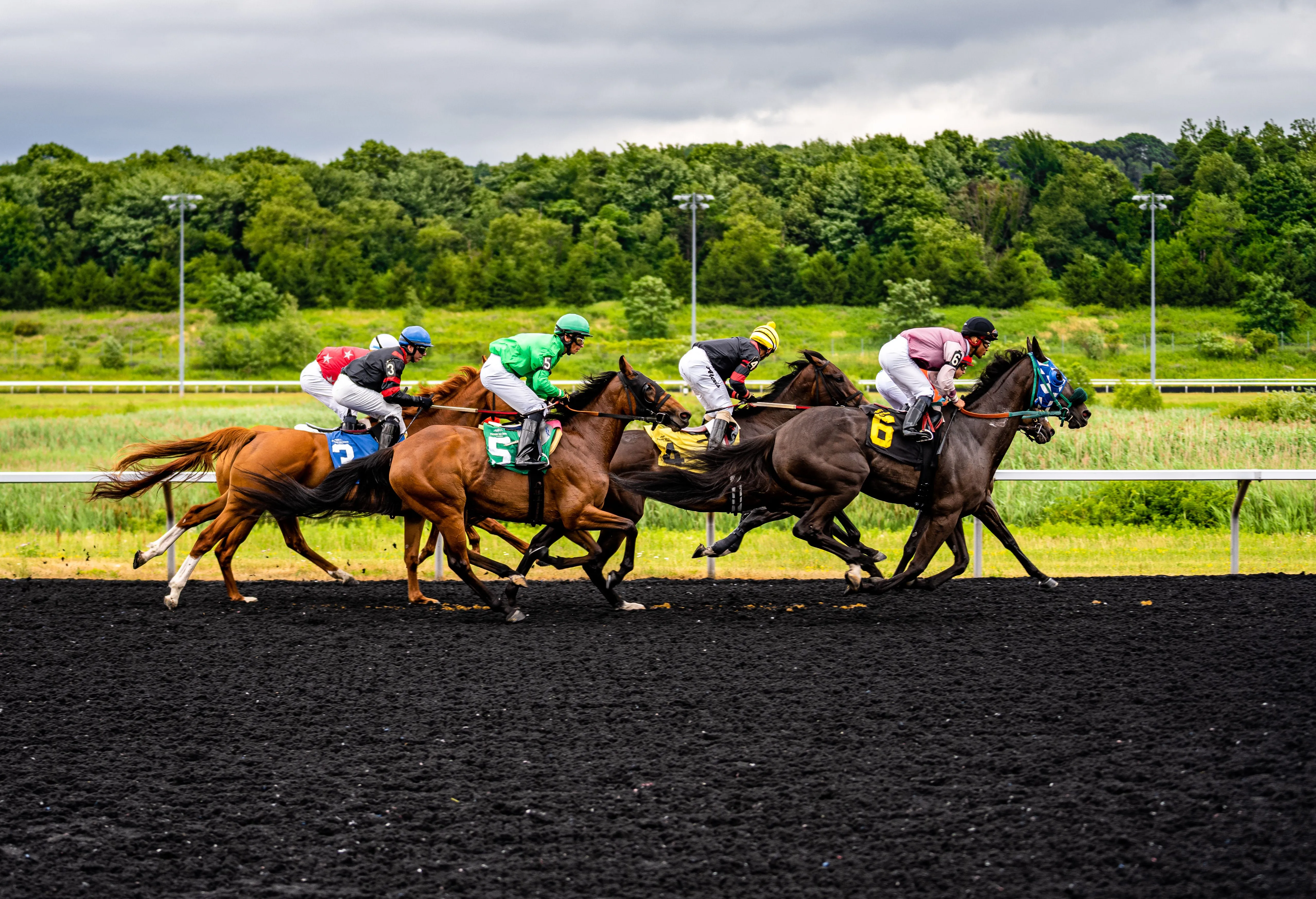
Horses are exceptional athletes, able to cover long distances quickly. This intensive, prolonged exercise puts a lot of stress on their bodies, demanding, for example, rapid exchange of respiratory gases, an increase in heart rate, and a source of energy (ATP) for their cells to ensure proper muscle function. Particularly intense muscle contractions and rapid oxygen supply cause substances such as free radicals and reactive oxygen species (ROS) to form in the body. These substances can cause cellular damage when their levels exceed the body’s antioxidant defence.
This is where it gets interesting. Scientists found a mutation in horses in the NRF2/KEAP1 pathway, which plays a crucial role precisely in the antioxidant defence. In horses, the KEAP1 gene was found to be more responsive to ROS than in other species, resulting in greater cellular resistance to oxidative stress and enhanced energy production. Compared to mice, we are talking about multiples of efficiency that allows proper muscle function. This mutation is ancient and conserved in the species.
Another study sheds a bit more light on which mutations in the horse population were so important to our ancestors that they spread across the whole species. The first one is a mutation in the ZFPM1 gene, which became common around 5,000 years ago and is suggested to affect horses' behaviour, making them tamer and easier to work with. The other mutation is in the GSDMC gene. It spread across the species a bit later, around 4,750 years ago, and is thought to affect the animal's physical appearance. Particularly, the strength of the spine and the length and height of the body, making the horse more suitable for carrying a rider.
Modern horses’ unique set of traits might be influenced by human preferences, but let’s not forget that it was the forces of nature that shaped their species in the first place, ultimately forming the horses we know today.