- Horses
- Coat Colour
11. 6. 2025
Basics of Equine Colour Genetics
One of the first things everyone notices about a horse is its colour. Sometimes it’s pretty clear what colour a horse is, while at other times it sparks a full-on discussion — often about foals and young horses — regarding their actual colour. However, genetics can give you a straightforward answer. To some extent — while the main genetic mechanisms are known, some colour variants and their interactions still require clarification.
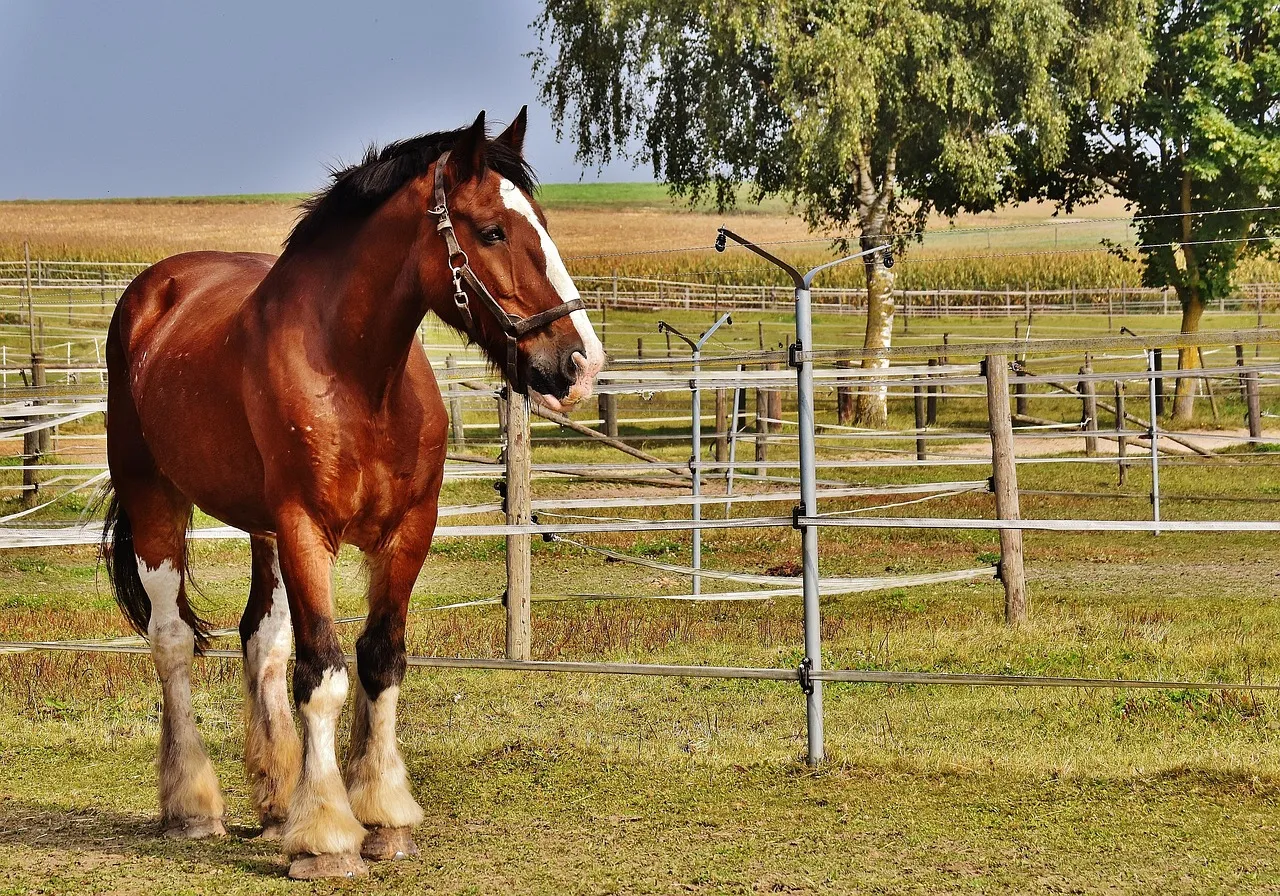
In horses, there are three base coat colours - black, chestnut and bay - which are determined by the interaction of two genes - Melanocortin 1 Receptor (MC1R), also known as the Red Factor or the Extension gene, and Agouti Signaling Protein (ASIP).
MC1R decides whether melanocytes, cells responsible for pigment production, produce black pigment, eumelanin, or red pigment, pheomelanin. Variants of this gene are typically marked with the letter E or e. A horse must have at least one dominant E allele for melanocytes to make black pigment. ASIP, usually marked with the letter A or a, regulates the distribution of said black pigment. If a horse carries at least one dominant A allele, the black pigment is reduced to legs, tail and mane. If not, the black pigment is evenly distributed over the whole body. ASIP doesn’t affect the colouring of chestnuts, as they do not produce black pigment.
Bay | Black | Chestnut |
E/E, A/A E/E, A/a E/e, A/A E/e, A/a | E/E, a/a E/e, a/a | e/e, A/A e/e, A/a e/e, a/a |
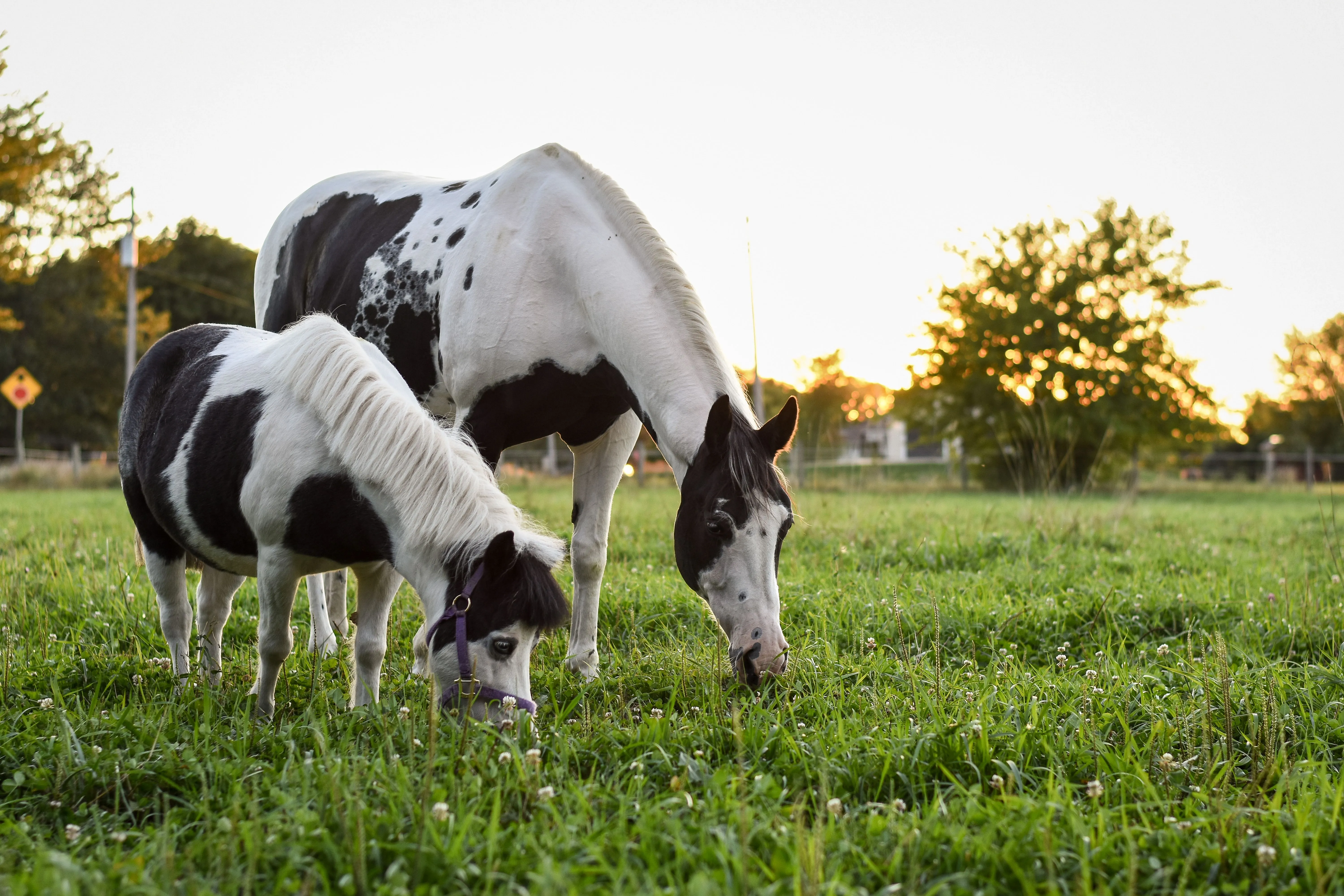
Some other factors must be at play, because there are clearly more than just these three coat colours in horses. These factors include other genes that can be divided into two groups: dilution genes and white pattern genes. These genes modify the base colour to create the final appearance — the phenotype.
Dilution genes influence either the amount of pigment produced or its transmission from melanocytes to hair follicles, making the horse lighter. An example of a dilution gene can be the cream gene, also known as MATP (membrane-associated transporter protein) or SLC45A2. This gene is inherited in an incomplete dominant pattern and it modifies the base colours into yellowish - cream undertone, resulting in palominos (chestnut base), buckskins (bay base) and smoky blacks (black base) when present in a single copy (CR/n). Horses with two copies (CR/CR) are cremellos (chestnut base), perlinos (bay base) or smoky creams (black base).
White pattern genes usually cause an absence of melanocytes in the unpigmented area — with the exception of grey horses, whose colouring is caused by an early shortage of melanocytes as they carry a mutation that speeds up their production in comparison to darker coloured horses. Affected horses are born with extensive white markings and pink skin beneath these areas. Expression ranges from minimal white markings to a completely white coat and depends on the base color, specific white variant, number of copies of the mutated alleles, and developmental factors.
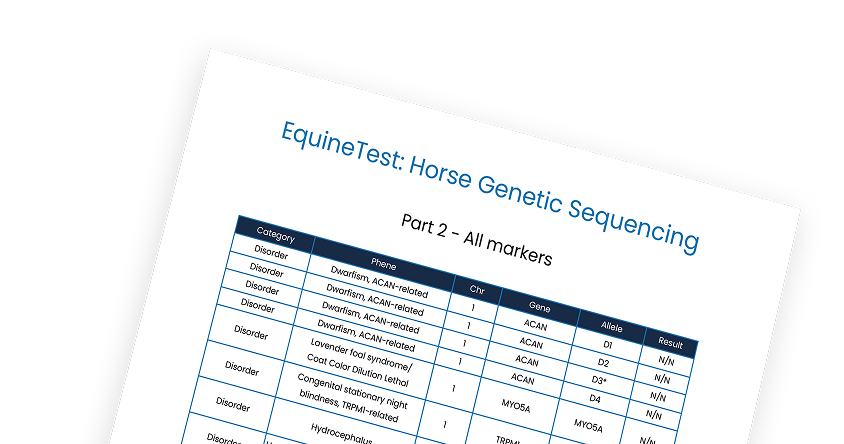
The inheritance of horse coat colour is a complex topic that still requires further research to be fully understood. It's important to keep in mind that the coat is not only affected by the genetic predisposition of the animal but also by external factors such as time of year, management and nutrition. For horse owners curious about the genetic background of their horse's colour, whether for breeding decisions or simply understanding those unexpected coat colours, whole-genome sequencing may open the door to interesting genetic insights. Your horse could even help uncover the unexplained colourful secrets its genome holds.