- Horses
- DNA
30. 7. 2024
DNA Sampling – Why blood for EquineTest?
There are basically two standard ways of sampling your horse – blood or hair. But it does matter what the goal of the analysis is because every method has its pros and cons!
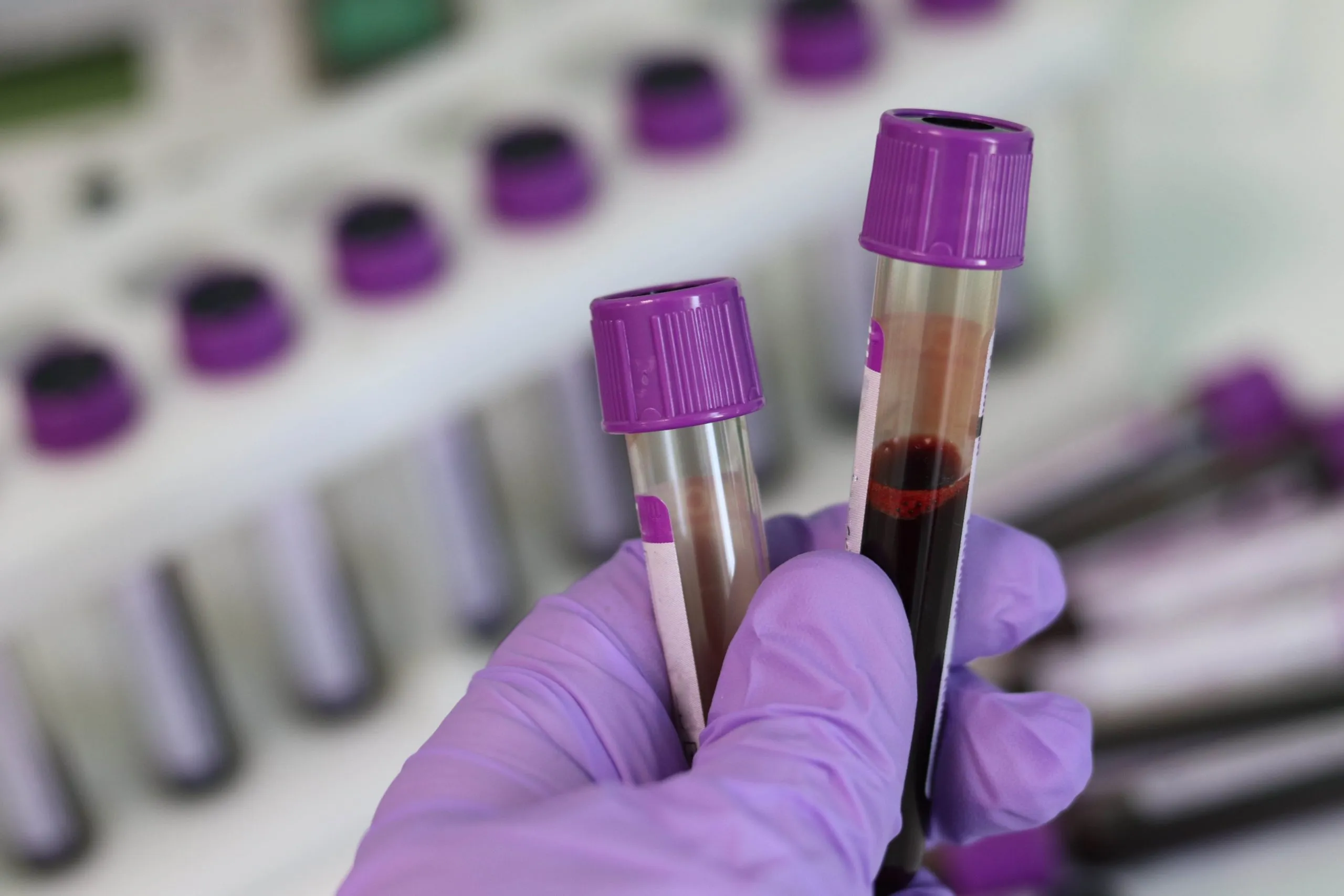
Horsehair is very easy to collect and is perfectly adequate if you want to test one or a few genetic traits. But isolation of DNA from blood is clearly more suitable for whole-genome sequencing for a number of reasons:
Higher quality and purity of DNA: Blood contains white blood cells, which are a rich source of nuclear DNA. This leads to cleaner and better quality DNA, which facilitates subsequent analyses.
Higher DNA yield: There is usually a higher concentration of cells containing DNA in the blood compared to the mane. The mane mainly contains keratinized cells, which have very little nuclear DNA content, and therefore the yield of DNA from the mane is usually lower and not always sufficient for whole-genome sequencing.
Less risk of DNA degradation: DNA in blood is usually better protected from degradation. In the mane, DNA is more exposed to environmental influences such as UV radiation, heat, and humidity, which can lead to its degradation and make DNA isolation difficult to the extent that it will not be suitable for whole-genome sequencing.
DNA contamination from other sources: There is a minimum of possible contaminants in the blood sample. When DNA is isolated from mane, there is a greater risk of contamination by foreign DNA, bacteria, fungi or other sources, which can affect the accuracy of genetic analyses. Overall, DNA isolation from blood is more reliable and produces high-quality results, which is essential for genetic testing.
This is why we strongly prefer and recommend blood sampling for EquineTest despite it is more complicated and requires a veterinarian to do it,
EquineTest Lab Team