
EquineTest
LAND0264_2-scaled
  • About us

28. 7. 2024

For the Curious Minds: How EquineTest Whole Genome Sequencing Works?

The horse's DNA or genome is made up of 2.7 billion bases, simplified to the letters A, G, C, T. The combination of these four letters in the DNA strand encodes approximately 20,000 genes that are responsible for the appearance, characteristics and health of the individual.

Until recently, however, no technology was available to read the 2.7 billion letters of DNA quickly and cost-effectively. But the latest sequencing technologies now allow us to do just that.

The very first step, after isolating your horse's DNA, is to break that DNA into small fragments and create what is called a sequencing library. We then read the fragments in this library one by one using a device called a sequencer to identify the order of the bases (A, T, C, G) in the fragment. In a third step, we assemble these short fragments using computer programs to get a complete picture of the genome of the test horse. Finally, we compare the information obtained with a reference genome and, on the basis of this comparison, we can then diagnose genetic diseases, predisposition to diseases or identify genetic variants associated with certain traits.

Thinking of Whole Genome Sequencing, think of assembling a puzzle. The result is a comprehensive genetic map that reveals the secrets hidden within. It is not just science; it is a journey of discovery for every horse enthusiast.

For more details of the procedure please contact us.
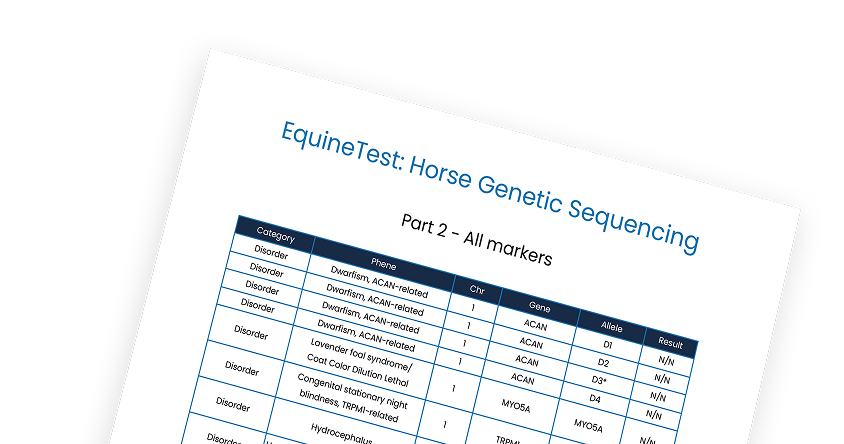
Ready to explore your horse’s DNA?

Start with a sample DNA report or order a whole genome DNA test for your horse.

what’s new

Blog

01KCRG8HJTKZM7BJS346E8N03Y___responsiveimg_734_413
Horses

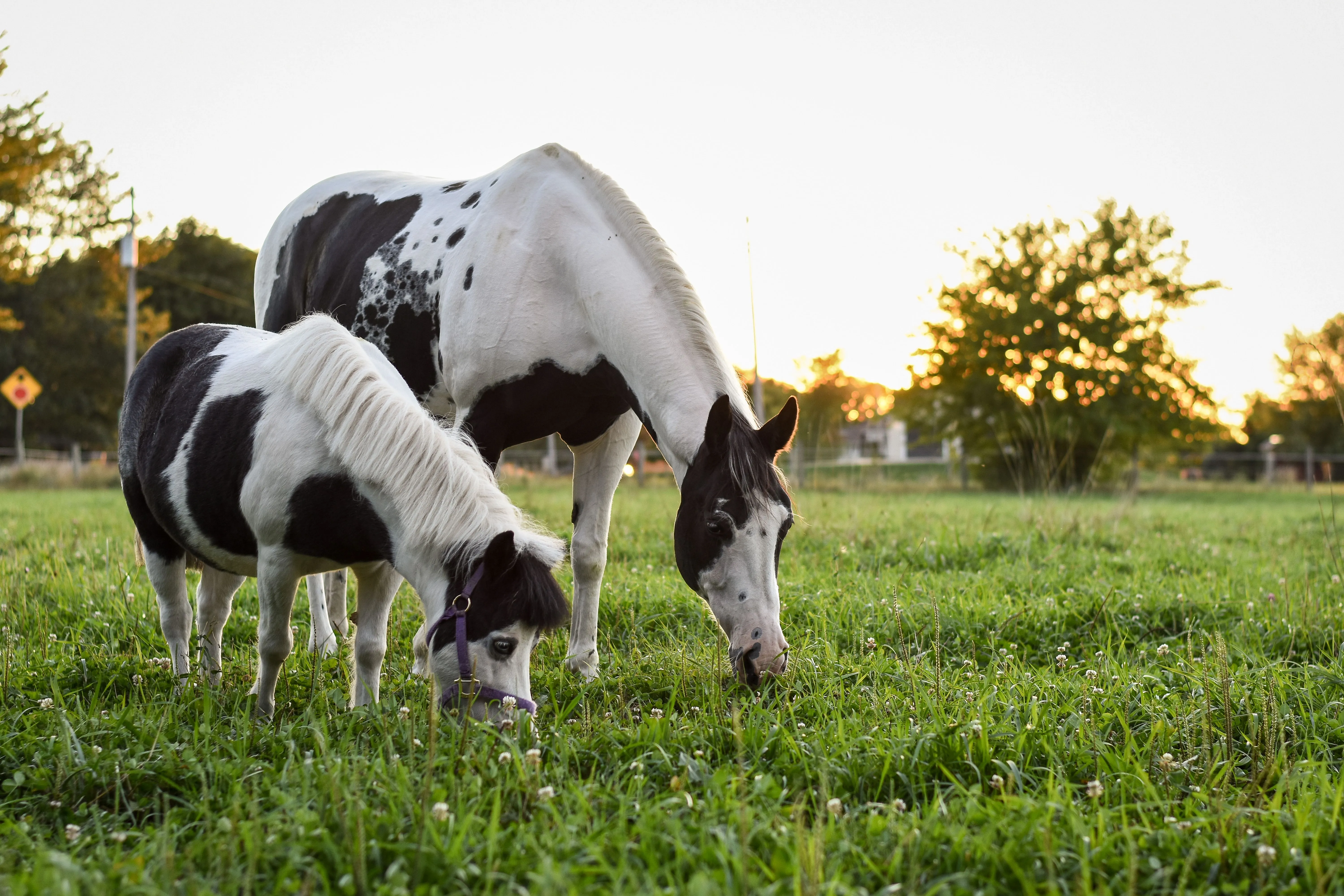
Leopard Complex and Eye Health Issues

The leopard complex is a group of white spotting patterns, including the leopard, few-spot leopard, snowcap blanket, lace blanket, spotted blanket, varnish roan, snowflake, and frosted, speckled, and mottled patterns.

Read more
pexels-lumierestudiomx-1462364-300x200
Horses

The Speed Gene

Horses are an exceptionally athletic species, and even though many of their traditional purposes have faded away over time, some reasons why we, humans, keep them remain. In the past, horses were generally kept for reasons different from today’s. While the number of horses kept solely for sport and status used to be low, today, sport horses, along with leisure horses, represent the majority of the population.

Read more
lab-3498584-scaled
Horses DNA

When the Test Results are Negative but the Symptoms are Present

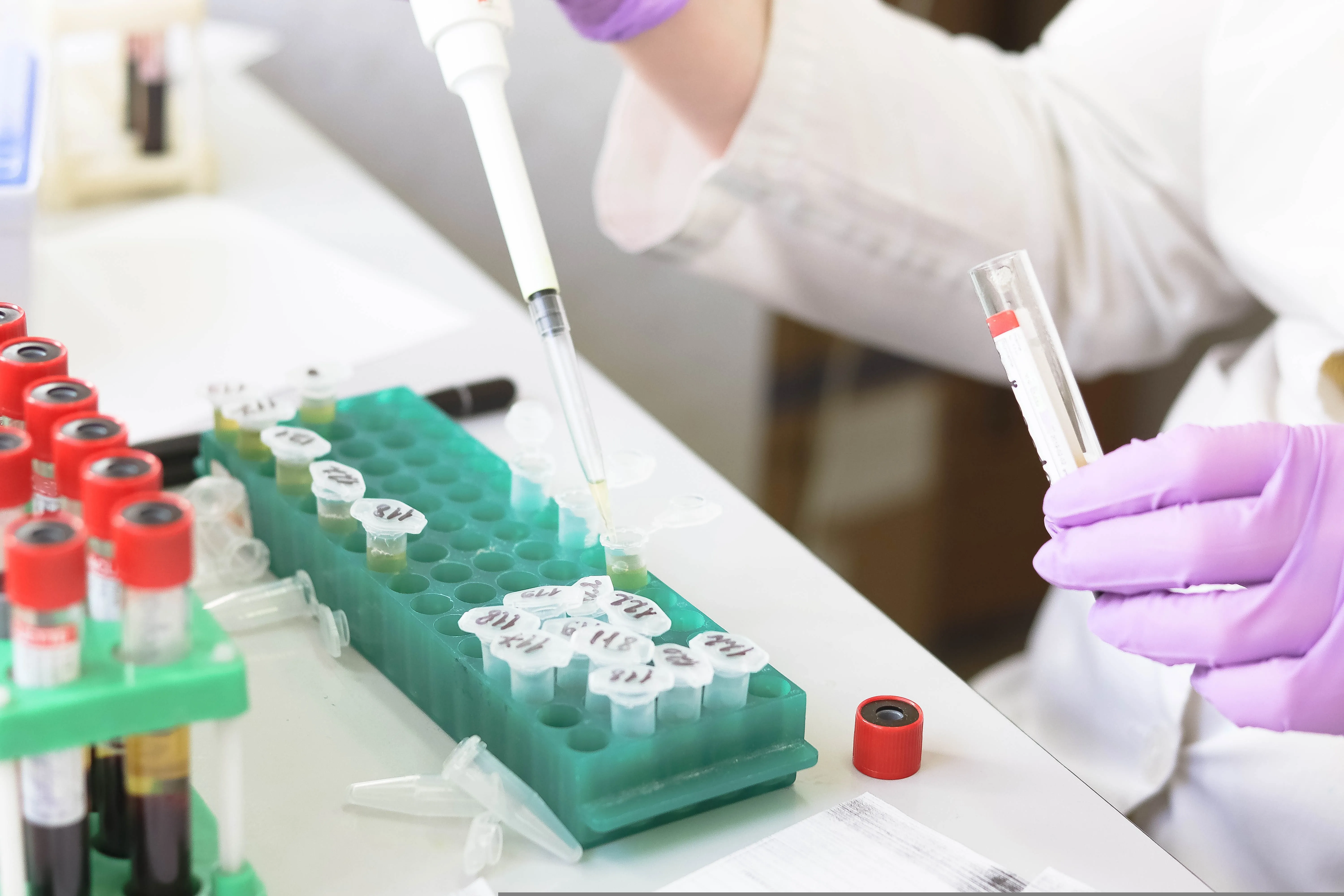
It may have happened to you, your friend, a family member, your dog or your horse. A genetic test was run in the hope of finding a reason behind your or their health problems, but the test results were negative. No questions were answered, and the patient was left undiagnosed. For now.

Read more
horse-race-4386696-scaled
Horses

Genetics in the Face of Doping

At the beginning of the year, the British Horseracing Authority (BHA) announced that racehorses in Britain would undergo testing for gene doping with immediate effect. Gene doping has been banned since 2004 by the World Anti-Doping Agency (WADA) both in humans and animals, and so far, there is no evidence that gene doping is actually taking place in horses.

Read more