- Horses
4. 10. 2026
Genetic Regulation of Body Size in Horses - From Shetlands to Shires
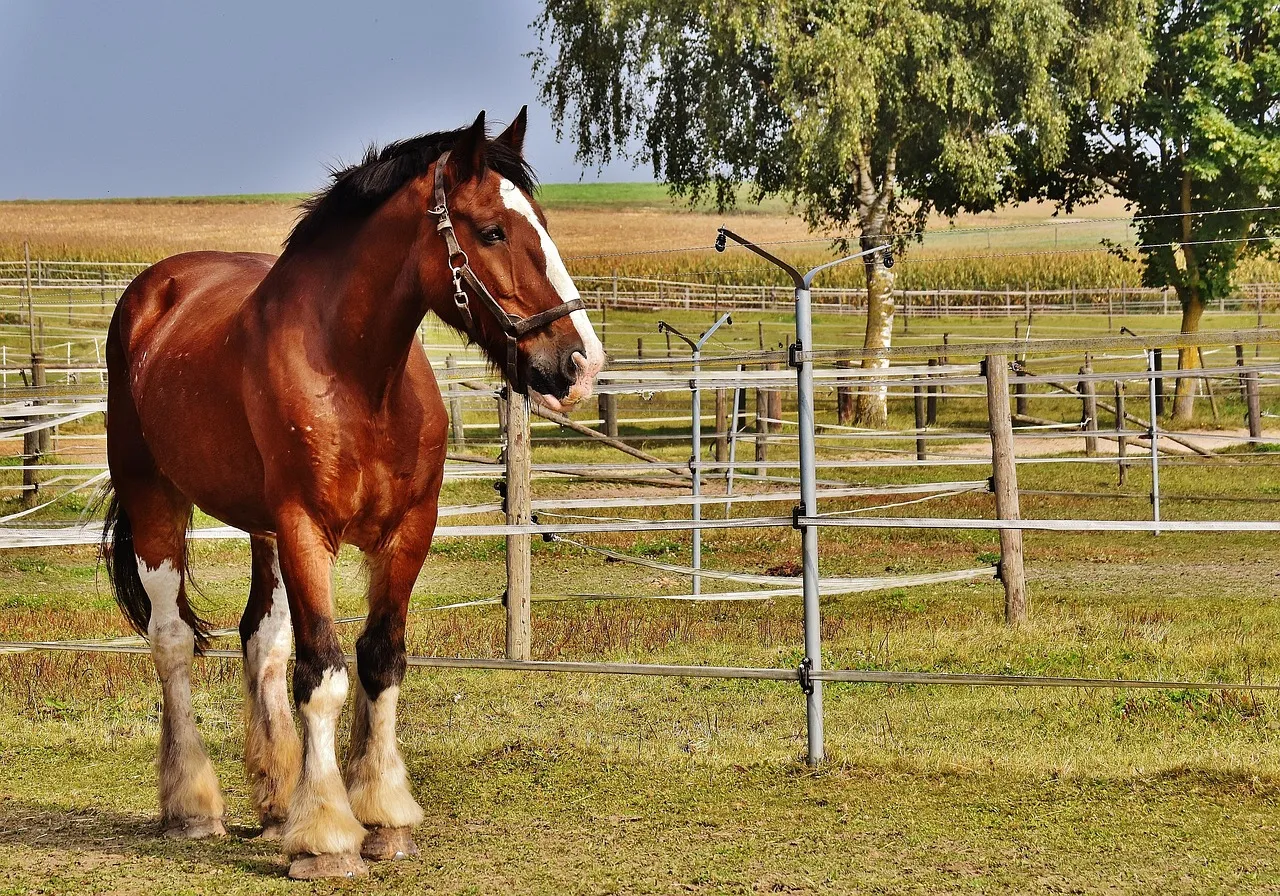
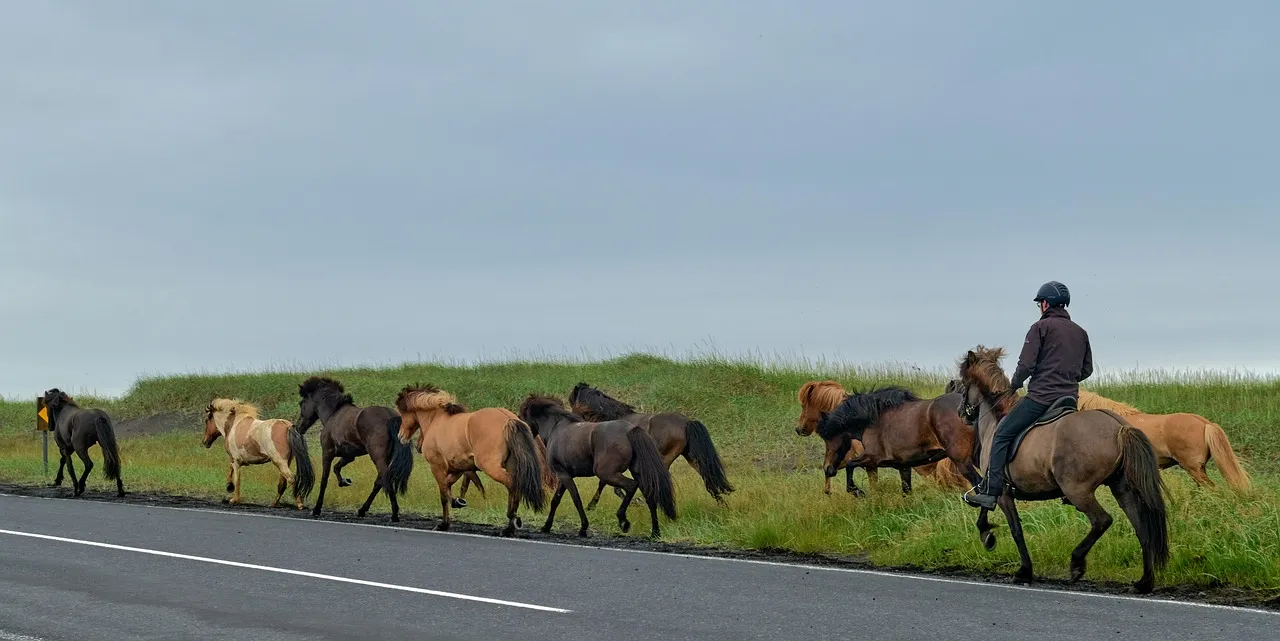
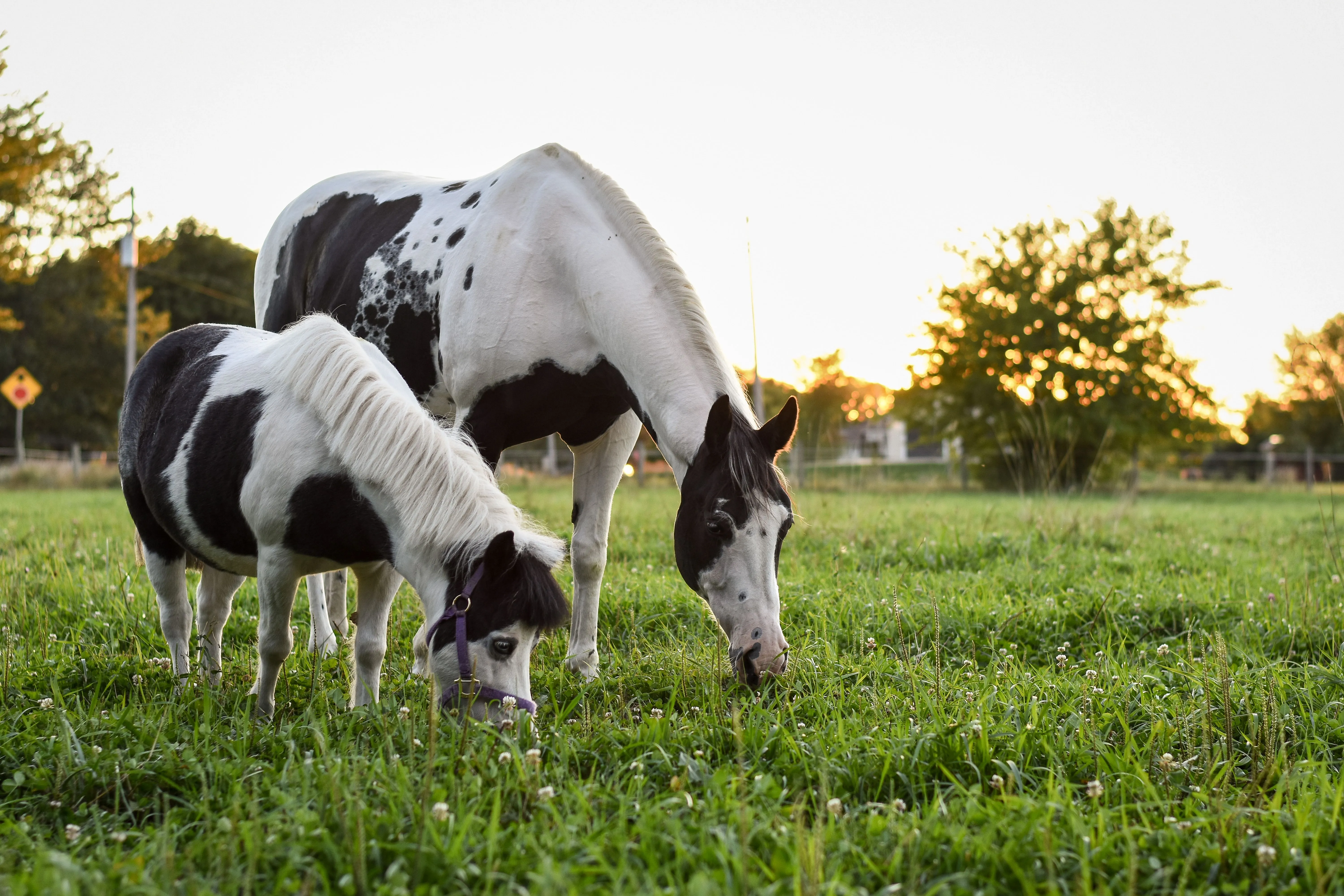
There is considerable variation in height within the horse population. There are tiny ponies, which can be even smaller than some dog breeds, as well as large draught horses, whose height at the withers is often close to 2 metres. While height is to some extent affected by environmental factors, it’s also strongly influenced by genetics. There is not a single gene that determines how tall a horse will eventually become. Rather, the final height of a horse is a result of effects of multiple genes and other factors. Let’s take a look at some of them!
The LCORL gene is mentioned mainly regarding warmblood breeds. It has been shown that it has strong association with body size - horses with C/T or C/C genotype are usually taller than horses with the T/T genotype. The T/T genotype was found to be associated with ponies up to 148 cm, which is the limit value set by FEI for official pony competitions. The C/T genotype is predominantly represented in horses and ponies whose height ranges from approximately 130 to160 cm. The C/C genotype is typically found in larger breeds.
Another gene that affects height is HMGA2. Large breeds usually have a G/G genotype and the allele A is mainly found in Shetlands and other pony breeds. A 2023 study found that ponies with A/A genotype are generally more than 10 cm shorter than ponies with other genotypes. A 2015 study of Shetland ponies determined the mean heights of each genotype group as A/A: 84 cm, A/G: 95 cm, G/G: 103 cm. It has also been described that mutations in this gene affect metabolic traits as ponies with the allele A were found to have higher basal insulin concentrations and potentially be at increased risk for developing insulin dysregulation.
A 2022 study in Chinese ponies and horses described another interesting variant in the TBX3 gene. The study identified that the allele G is connected to the gene upregulation, increased height and longer limbs.
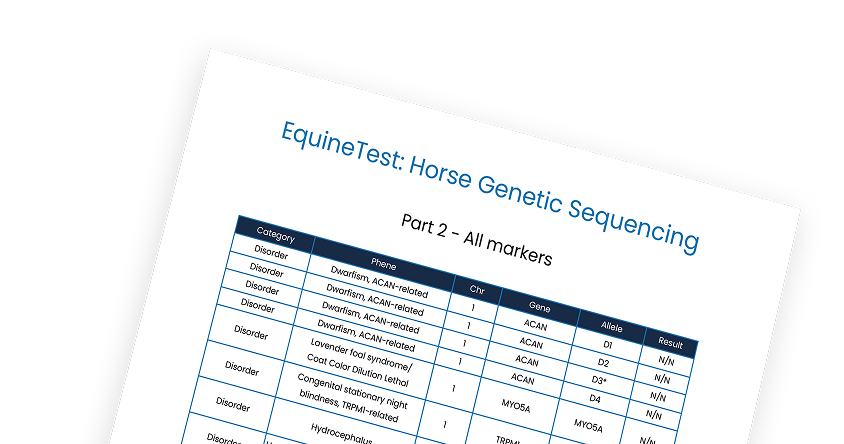
The effects of other genes have not yet been described in such detail and will require more research. To clarify how genetic information further influences horse size, genome-wide association studies (GWAS) and EquineTest may offer an interesting approach. Find out more about EquineTest here!