- Horses
- Coat Colour
5. 8. 2026
White Markings and their Genetic Background
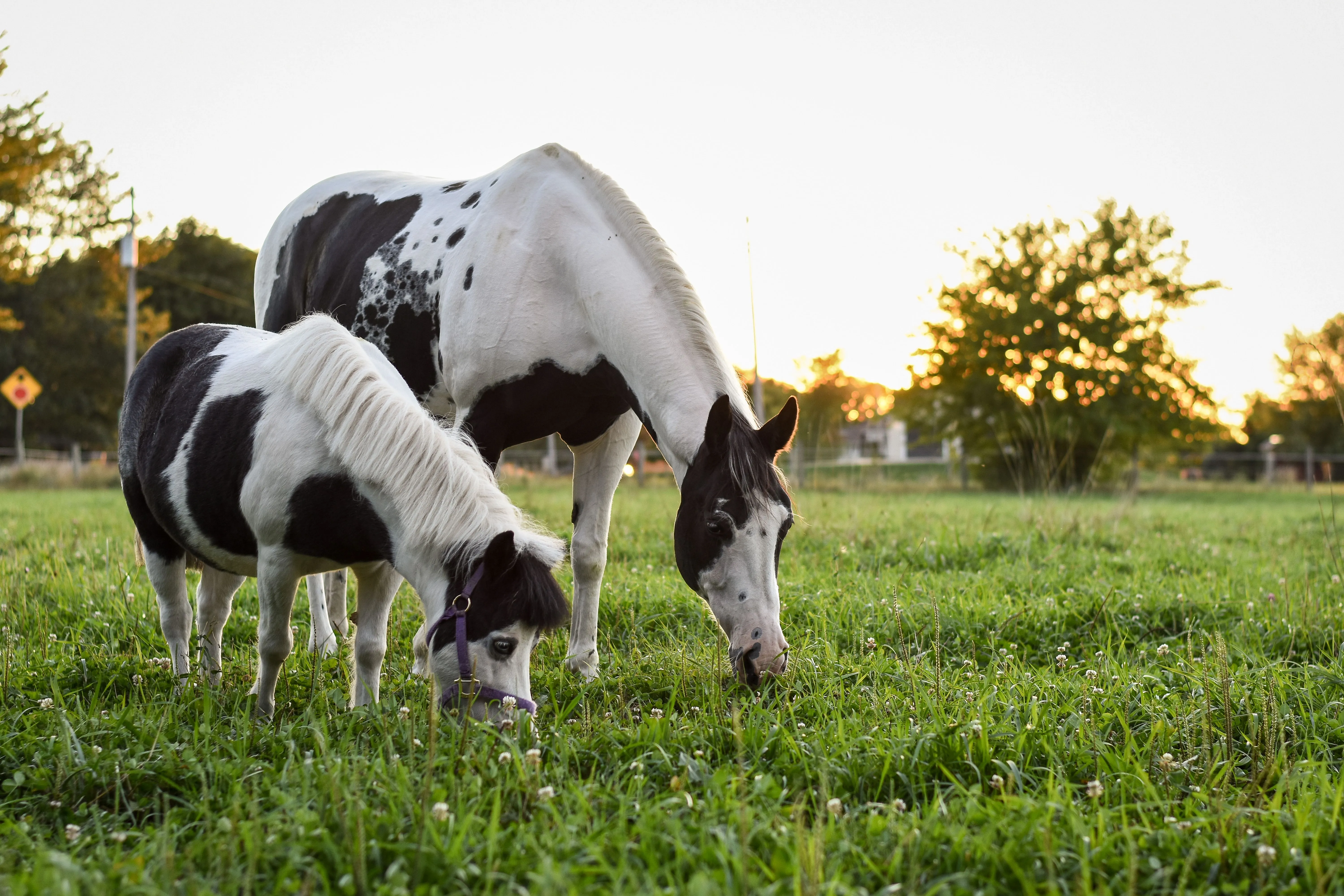
Across the animal kingdom, white markings are thought to be associated with domestication. They are typical for domesticated animals such as dogs, cats, pigs, cows, and horses, in contrast to their wild counterparts. White markings are caused by the absence of melanocytes (pigment-producing cells) in certain body areas, resulting in white hair.
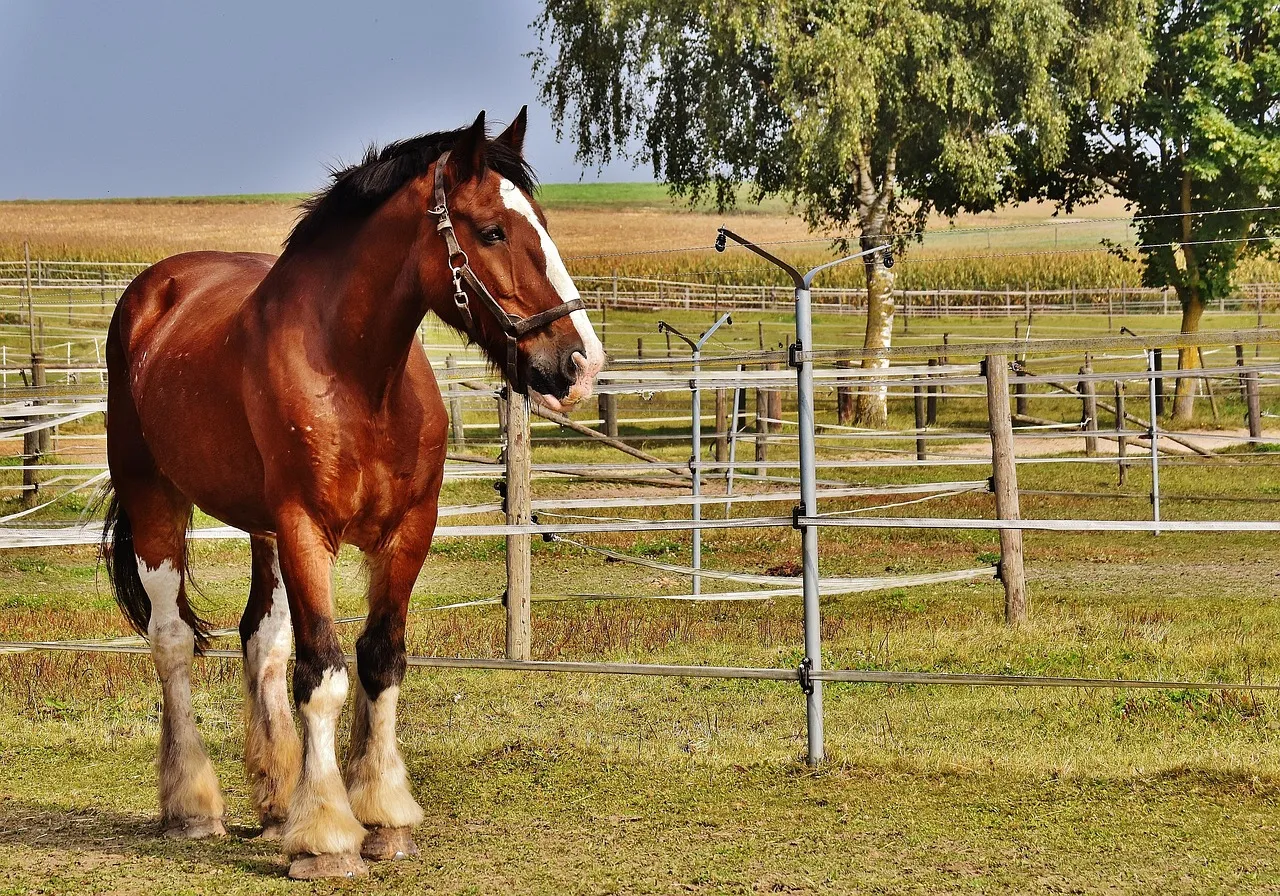
In horses, the preference for white markings differs among breeds, ranging from no white markings in Fjord Horses and Friesians to preferred markings in Shire Horses and Clydesdales. Some other studbooks can give little to no significance to white markings, and horses with or without them are generally viewed the same, aside from possible differences in personal preference.
White markings in horses are considered a complex genetic trait involving multiple genes, including KIT, MITF, PAX3, HPS5, EDNRB, TRPM1, and RFWD3. Their influence varies from limited white markings, such as facial and limb markings, to completely white – not grey – horses.
Genes causing the white markings usually affect the process of cell migration from the neural crest. The neural crest is a transient structure during embryonic development that gives rise to melanocytes and other cell populations, including those necessary for hearing ability and normal inner ear function, which explains why some white patterns are associated with congenital deafness.
The skin beneath the white markings is typically nonpigmented (pink), unlike the skin of grey horses, which is pigmented (dark) despite the hair color. Greys are born with a dark coat that lightens as the horses age due to the effect of different genes (STX17 and NR4A3) other than those that cause white markings. However, greys may also have white markings - although the hair coat eventually appears grey/white, skin pigmentation can vary between different body parts.
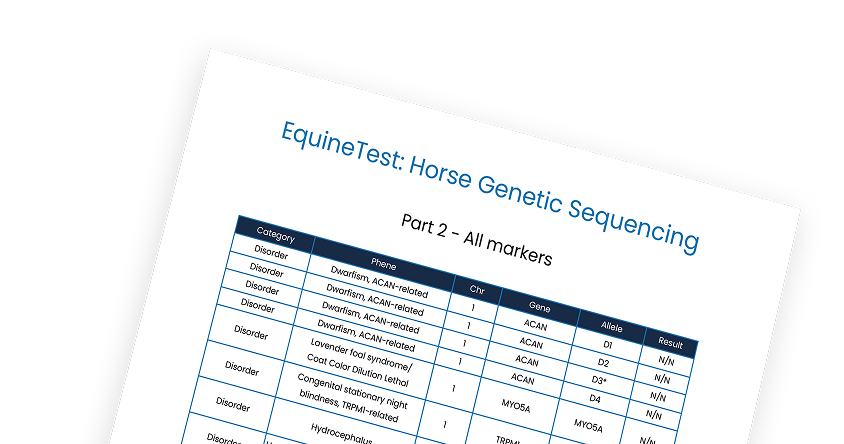
White markings represent a complex genetic trait, making them more difficult to predict than, for example, base coat colours. While the major genes responsible for the base coat colours have been well characterized and their inheritance largely follows simple genetic patterns, the extent and distribution of white markings can be determined by multiple genes, making the final phenotype more difficult to predict. Whole Genome Sequencing might be an interesting approach to cover all known genetic markers that affect the final coat colour. Find out more about the EquineTest here!