- Horses
- Performance
22. 7. 2026
Genetics of Ambling
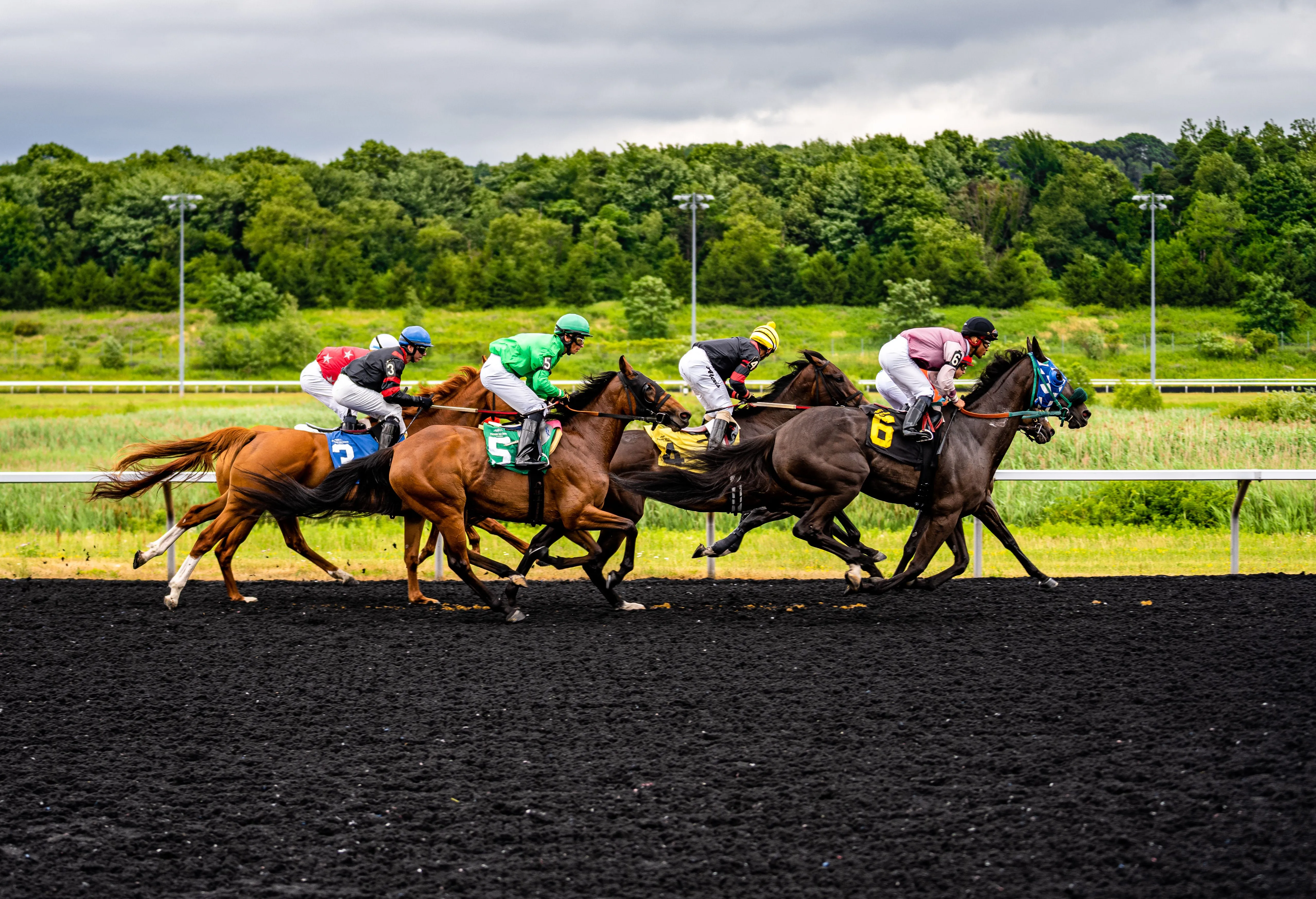
The three basic horse gaits are walk, trot, and canter. Gallop, sometimes considered to be the fourth basic gait, is practically a variant of canter. The main difference between these two gaits is that a canter is a three-beat gait, while a gallop is a faster four-beat gait that covers more ground.
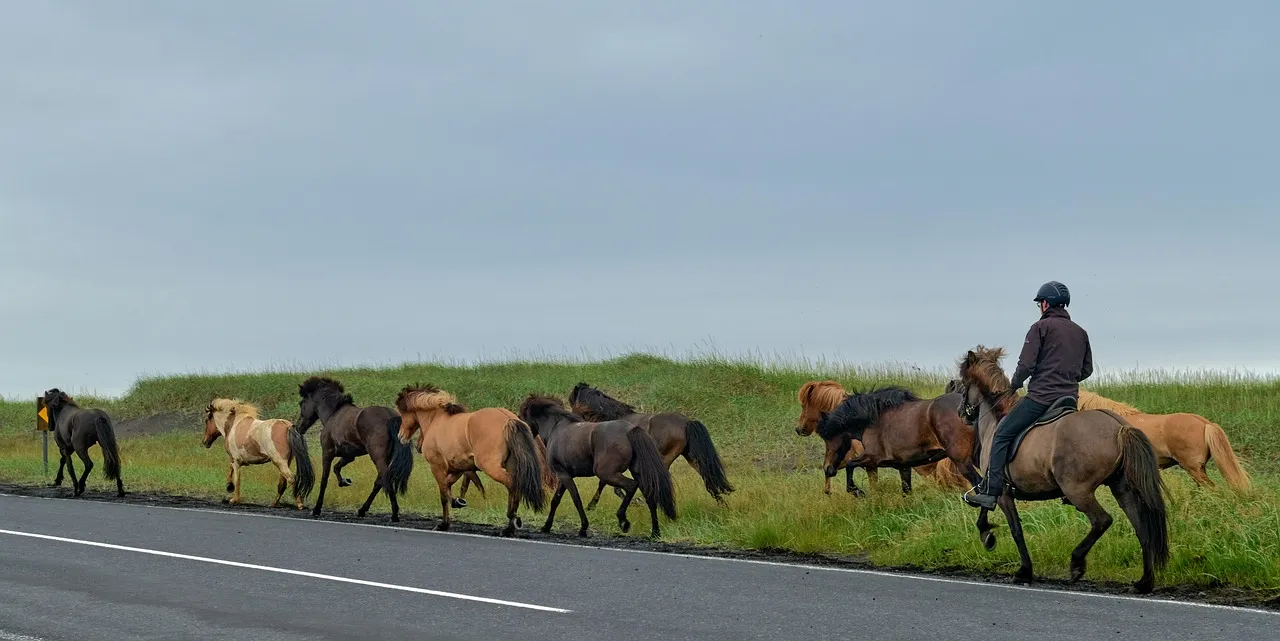
However, there is a group of horses that can also perform an additional gait or, in some cases, even two. An additional gait may be the ambling gait, which is characteristic of each breed, or the pace, typically associated with Standardbreds and Icelandic Horses.
Ambling gait is usually faster than a walk but slower than a canter and is always four-beat. You can imagine ambling gaits on a spectrum between a trot, a two-beat gait during which the legs move and land diagonally, and a pace, also a two-beat gait, but with the legs moving laterally – the legs on the same side move and land together.
In 2013, scientists described a mutation in the DMR3 gene, which affects the horse’s ability to perform the additional gait. It’s influenced by the number of mutated copies a horse inherits from its parents. A horse without the mutated copies can only perform the basic gaits. A horse with a single mutated copy may perform an ambling gate, and two copies are required (but not sufficient) for pacing. The same study noted that the mutation may have a disadvantageous effect on the basic gaits, as Icelandic Horses homozygous for the mutation received lower scores for trot and gallop.
The ability to amble is still under genetic research, as studies published this year and last year suggest. The research has so far focused primarily on potentially breed-specific variants in the DMRT3 gene and other candidate genes, such as STAU2 or RELN, which may also influence a horse’s movement patterns.
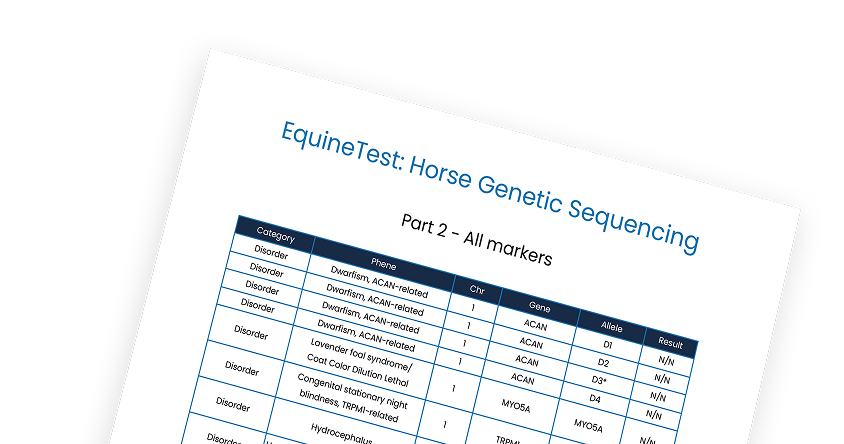
As new genes are under research, Whole-Genome Sequencing may potentially be a powerful tool for better understanding the genetic basis that enables gaited breeds to perform their gaits. Find out more about EquineTest and how it works here!