
- Horses
- Health
- Performance
8. 7. 2026
Horses and Heat Stress
If you’ve ever been around horses during the summer when the temperatures are high, you might have noticed a few things, such as changes in behaviour, seeking shade, drinking more water, sweating, more visible veins under the skin, or a higher respiratory rate. All of these changes are the horses’ way of adapting to the heat.
The thermoneutral zone of horses typically ranges from 5 to 25 °C, meaning this is the range in which they can maintain their body temperature with minimal metabolic effort. Outside this zone, mechanisms are triggered to warm or cool the body, depending on which side of the spectrum we are talking about. It is important to note that the exact temperature range of the thermoneutral zone is influenced by several factors and varies from horse to horse and from season to season.
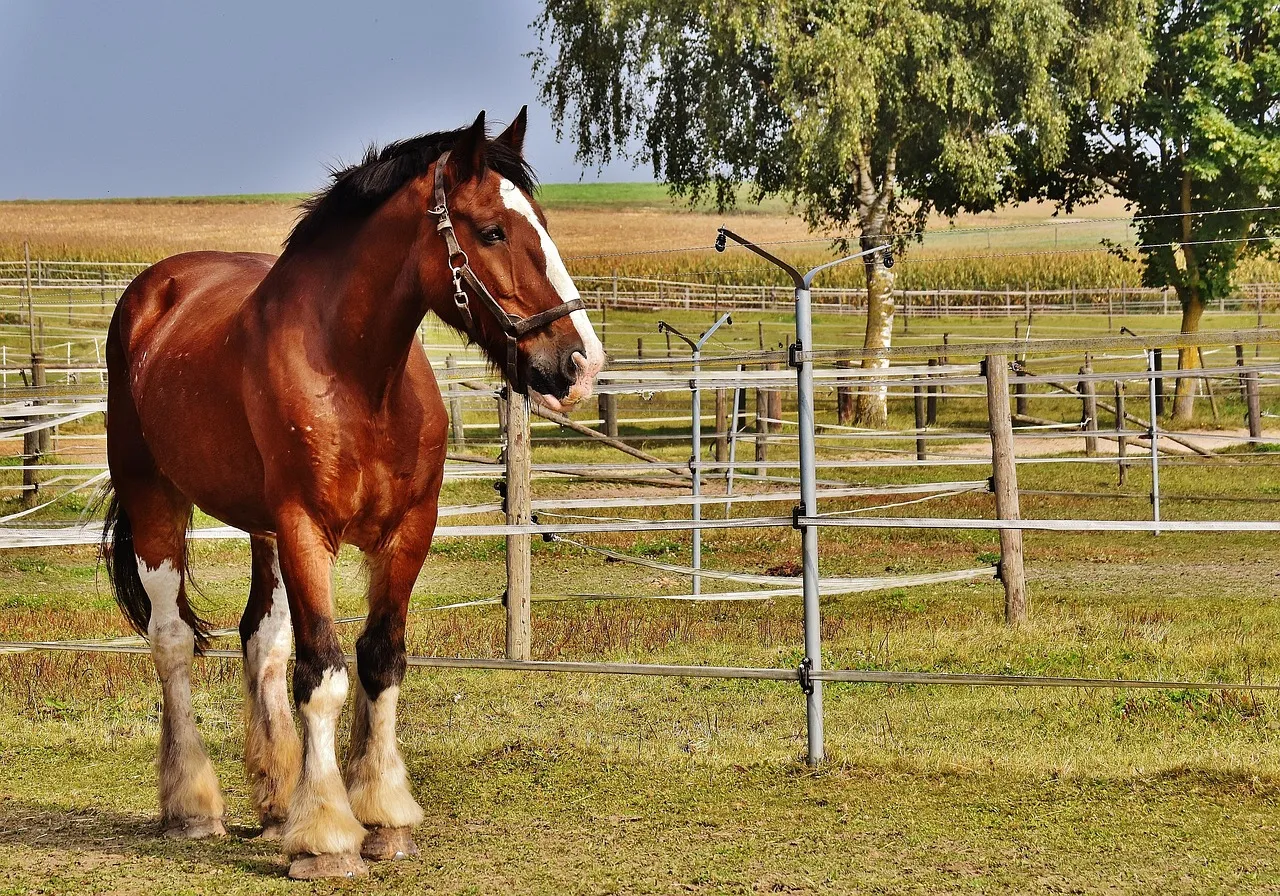
Some thermoregulation mechanisms are more easily recognizable than others, and the ability to tolerate extreme temperatures varies among breeds. Heavier, more muscular breeds (warmbloods, drafts, etc.) will have a harder time in warmer temperatures than horses of a leaner body build (Arabians, Akhal-Teke, etc.), as they have a lower ratio of body to surface area, meaning they have more muscle mass generating heat and less body surface for cooling down.
Besides conformation, other genetic factors also play a role, as heat modulates genetic expression and immune response. The change in gene expression especially involves heat shock proteins. Heat shock proteins are important for stabilizing and protecting cellular structures during heat stress; their expression varies both between breeds (breeds originating from warm regions show higher expression) and among individuals. It can also change with heat acclimation, improving an individual’s performance during elevated temperatures.
Heat stress can also trigger an immune response modulated by genes such as NFKBIA and SOCS4, which suppress excessive inflammation and help maintain physiological stability. Another factor important for the immune system during heat stress is interleukin-6 (IL-6). Interleukins are a group of signaling molecules that act as key mediators of immune cell communication. Elevated IL-6 expression during heat stress supports vasodilation, which improves heat dissipation through increased blood flow.
The response to elevated temperatures is a complex system of reactions ranging from behavioural changes to physiological responses and adjustments in gene expression. Just like people, every horse tolerates heat differently, but all of them will almost certainly appreciate a little help, such as cooling with water, fans, or adjusting their training plan.