- DNA
29. 7. 2024
Step Aside - The Horse Gut Microbiome
If we want to make full use of the possibilities of modern DNA analysis methods for the benefit of horses, we do not need to look only at their genome.
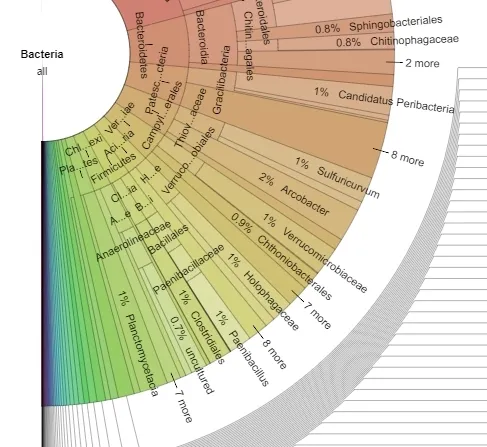
Horses eat different types of plant material and to maximize the access to the nutrients contained within, they depend on their microbial population. Without it they would not be able to produce enzymes needed to break down the fibrous plant cells. This population - microbiome - can be described and analyzed by DNA sequencing.
The equine microbiome is a complex community of microbial populations found within every part of the digestive system, including the stomach and small intestine (foregut) and the cecum and large intestine (hindgut). The type and function of the microbiota present change from one segment to the next, and these different populations must work in harmony to maintain homeostasis and reduce the horse’s risk of disease and disorders. It is obvious all of them play active roles in the fermentation of the food, but their exact contribution is still largely unknown.
The composition of equine microbiome is variable. There are microbes which reside in nearly all horses and form a core population, but there are also many other species that vary and each horse’s microbiome is therefore unique. Variations are attributed to seasonal effects on forage type and quality, dietary changes, management styles, age, and last but not least pathogen infections and antibiotic treatments.
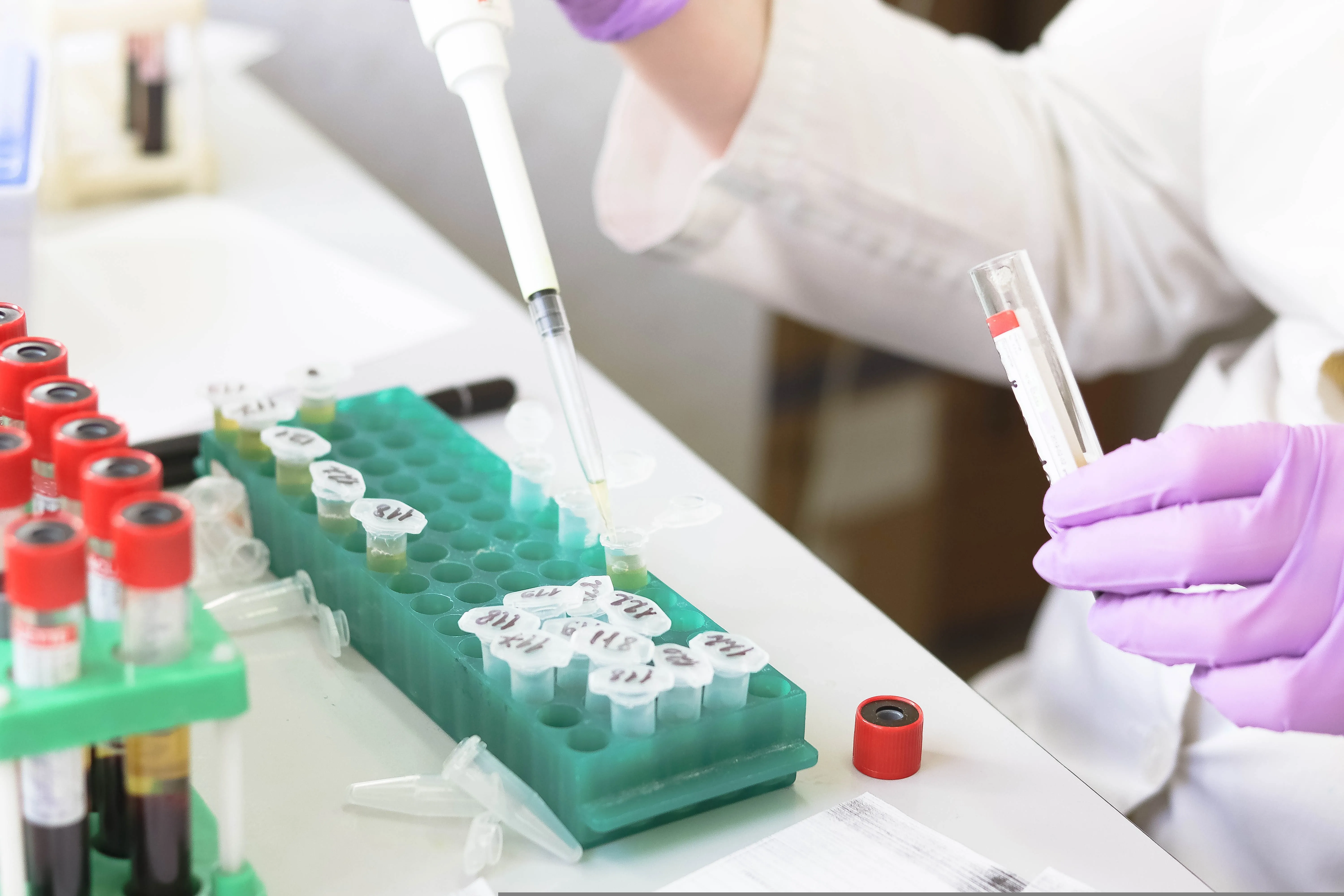
There are ongoing studies to investigate microbiome composition and function, in horses as well as humans. Modern molecular genetics methods used in our laboratories allow to identify microorganisms living in the gut of your horse easily. But it is much more challenging to conclude for example why some are there and some others not and what they are there for, except their own benefit. In any case, every horse owner is well aware of the importance of their horses’ digestive health. Analyzing the horse gut microbiome composition may help in their effort.