
Breeding
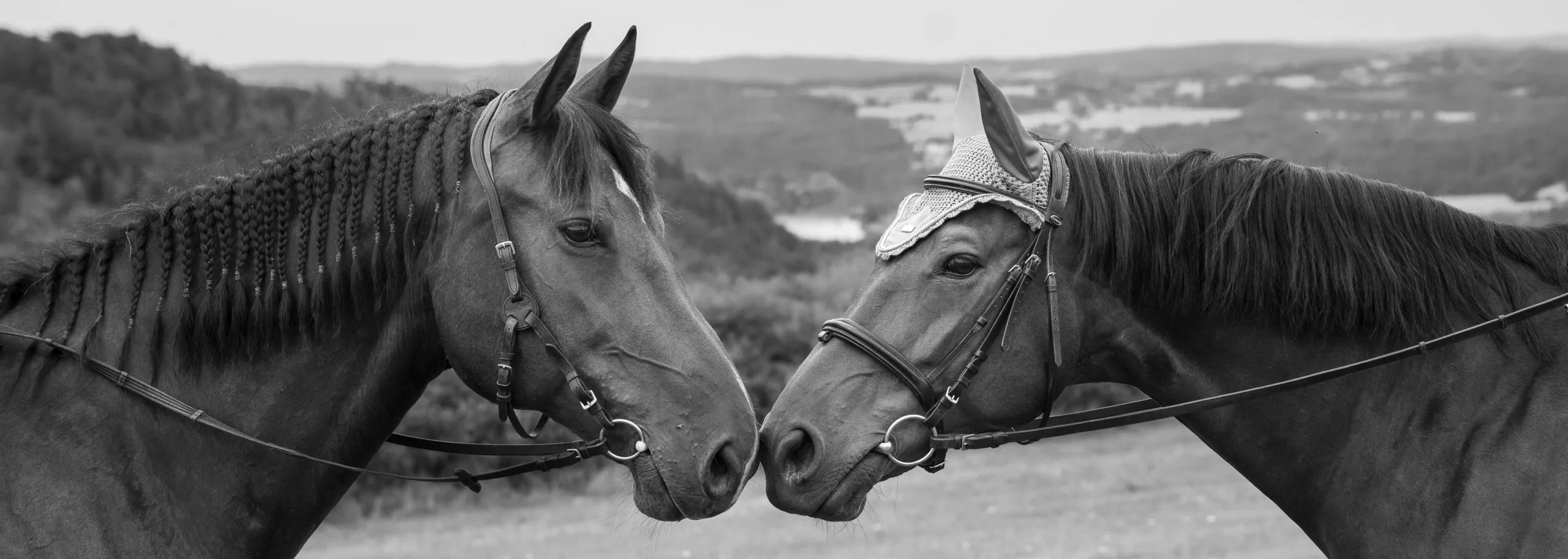
As a horse breeder, your success hinges on producing healthy, high-performing, and desirable horses. EquineTest is a powerful tool that can transform your breeding program by providing detailed insights into the genetic makeup of your horses. This advanced genetic testing enables you to make informed decisions that optimize the health, performance, and marketability of your foals. Here’s why incorporating whole genome sequencing into your breeding strategy is a game-changer:
Informed Breeding Decisions: EquineTest allows you to identify the genetic strengths and weaknesses of each horse in your breeding program. By understanding the genetic factors that influence traits such as temperament, size, coat color, and athletic ability, you can select breeding pairs that complement each other perfectly. This increases the likelihood of producing foals with the desired characteristics, whether for performance, show, or sale.
Elimination of Genetic Disorders: One of the most significant advantages of EquineTest is its ability to detect genetic mutations associated with hereditary diseases. By identifying carriers of these conditions, you can avoid breeding them, thereby reducing the incidence of genetic disorders in your foal crop and improving the overall health and quality of your breeding program.
Enhanced Foal Marketability: Some buyers are increasingly interested in horses with documented genetic health and performance potential. Offering foals with a complete genetic profile, including whole genome sequencing data, can significantly enhance their marketability. This transparency not only builds trust with buyers but also allows you to command higher prices for foals with verified genetic advantages, giving your breeding program a competitive edge in the marketplace.
Optimized Breeding for Performance: For breeders focused on producing horses for specific disciplines, such as racing, jumping, or dressage, EquineTest offers critical insights into the genetic factors that influence performance. By selecting breeding pairs with complementary performance-related genes, you can increase the likelihood of producing foals with the physical and behavioral traits needed to excel in their intended discipline. This targeted approach helps you consistently produce top-tier horses that stand out in competitive arenas.
Precision in Coat Color and Other Desirable Traits: EquineTest can predict the likelihood of passing on specific coat colors, patterns, and other desirable traits. Whether you’re breeding for a rare color, specific markings, or a particular build, understanding the genetic possibilities helps you achieve your breeding goals more reliably. This precision ensures that you meet market demands for specific traits, further enhancing the appeal and value of your foals.
Long-Term Breeding Success: By incorporating EquineTest into your breeding program, you lay the groundwork for long-term success. The insights gained from genetic testing not only benefit your current foal crop but also inform future breeding decisions. Over time, this leads to a healthier, more genetically diverse herd, with each generation of horses increasingly better suited to their intended roles, whether in sport, work, or as companions.
Ethical and Responsible Breeding: As a responsible breeder, your goal is to improve the breed and contribute positively to the equine community. EquineTest empowers you to make ethical breeding choices by avoiding the propagation of harmful genetic traits. This commitment to ethical breeding practices not only enhances your reputation but also contributes to the overall health and welfare of the horse population.
In conclusion, EquineTest is an indispensable tool for modern horse breeders. It provides the detailed genetic information needed to make informed breeding decisions that enhance the quality, health, and marketability of your foals. By investing in EquineTest, you’re not just improving your current breeding program—you’re setting the foundation for long-term success and sustainability in the ever-evolving equine industry.
Ready to explore your horse’s DNA?
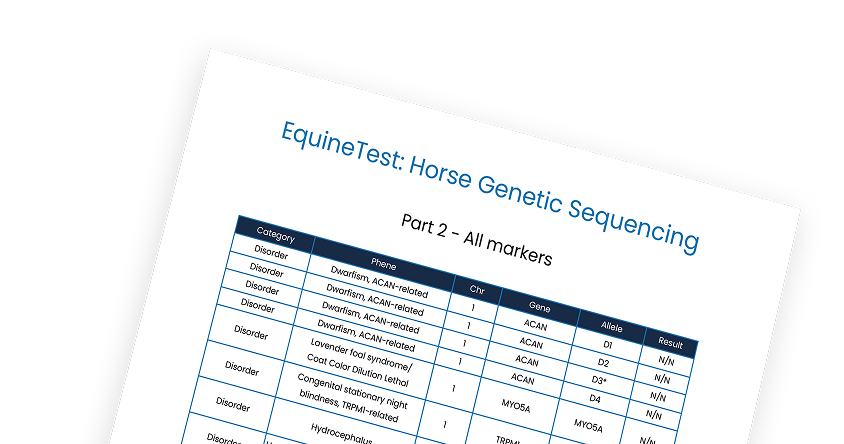
Start with a sample DNA report or order a whole genome DNA test for your horse.
Blog
Genetic Regulation of Body Size in Horses - From Shetlands to Shires
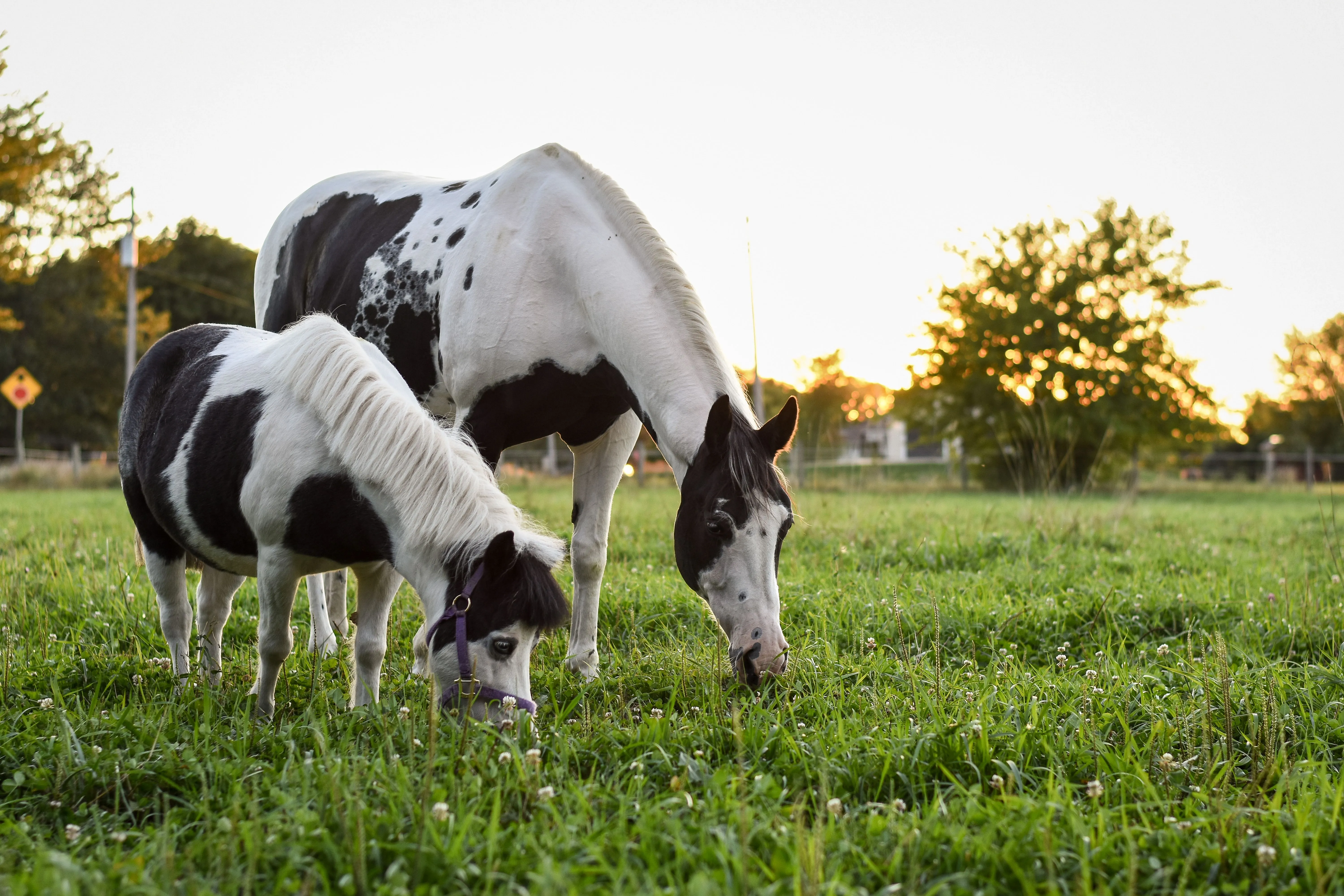
There is considerable variation in height within the horse population. There are tiny ponies, which can be even smaller than some dog breeds, as well as large draught horses, whose height at the withers is often close to 2 metres. While height is to some extent affected by environmental factors, it’s also strongly influenced by genetics. There is not a single gene that determines how tall a horse will eventually become. Rather, the final height of a horse is a result of effects of multiple genes and other factors. Let’s take a look at some of them!

Polygenic Score in Horses: When a Single Mutation is not Enough
Many people associate the term genetics with a simple and direct cause-and-effect relationship: one gene, one mutation, one trait. However, the genetic outcomes for many traits, such as performance, behavior, athleticism, disease susceptibility, and temperament, cannot be simplified in this way, as these traits are not defined by a single mutation but by hundreds to thousands of minor factors, each with its own tiny effect on the outcome. Individually, many of these variants have only a small effect, but when we look at them as a whole, they become more meaningful.
White Markings and their Genetic Background
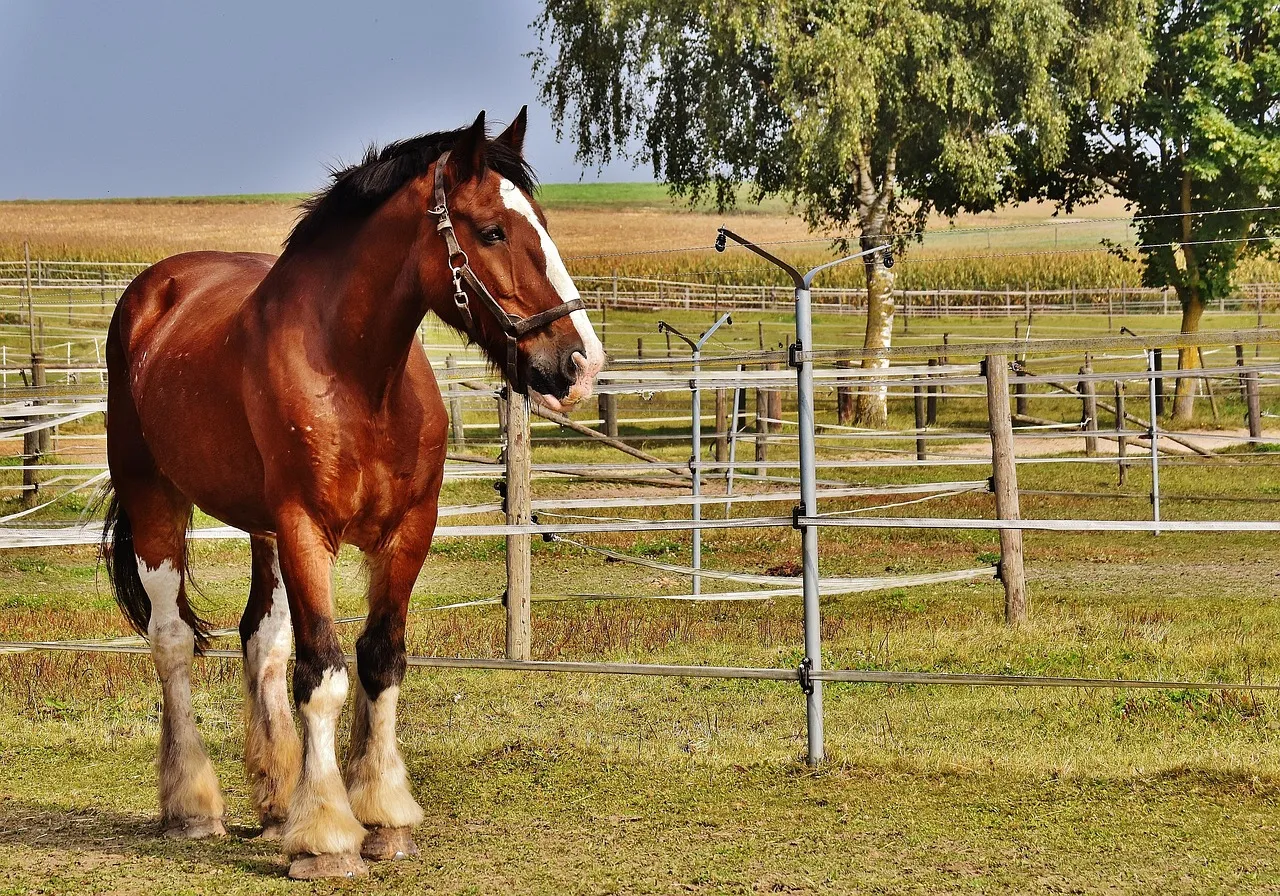
Across the animal kingdom, white markings are thought to be associated with domestication. They are typical for domesticated animals such as dogs, cats, pigs, cows, and horses, in contrast to their wild counterparts. White markings are caused by the absence of melanocytes (pigment-producing cells) in certain body areas, resulting in white hair.
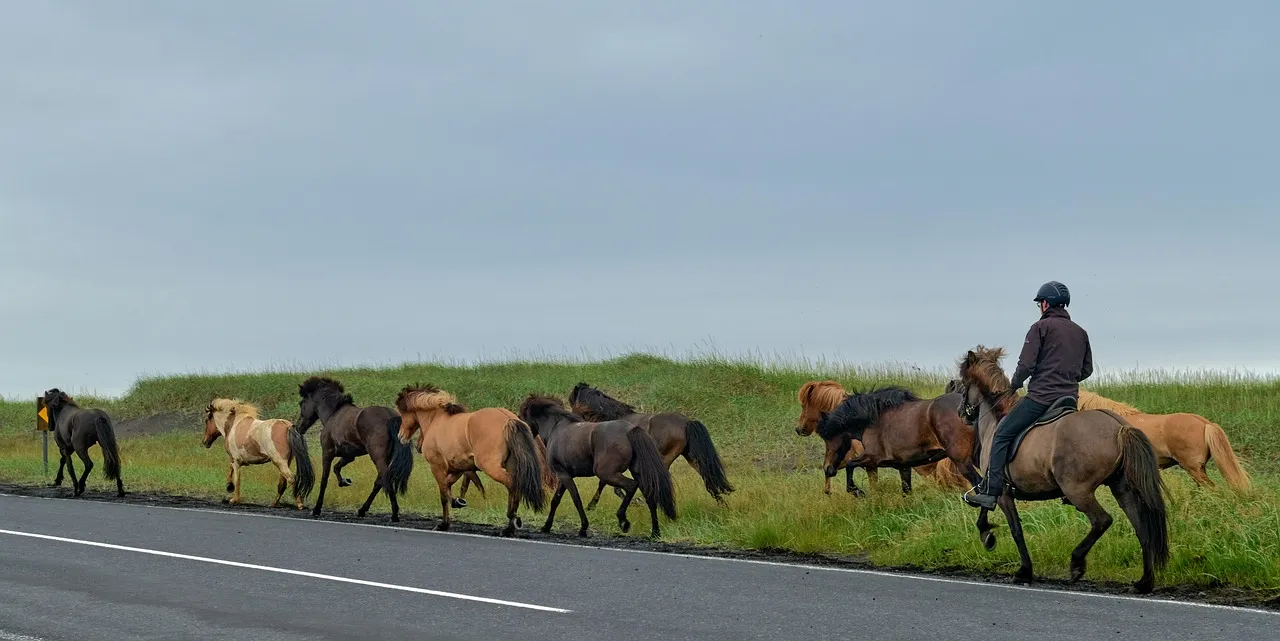
Genetics of Ambling
The three basic horse gaits are walk, trot, and canter. Gallop, sometimes considered to be the fourth basic gait, is practically a variant of canter. The main difference between these two gaits is that a canter is a three-beat gait, while a gallop is a faster four-beat gait that covers more ground.