

I want to buy a horse
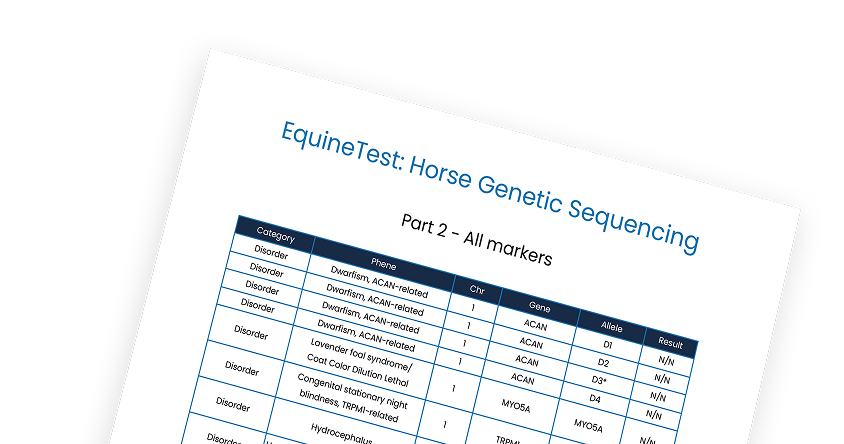
Purchasing a horse is a significant investment, not only financially but also emotionally and in terms of time and care. To ensure that you are making the best possible decision, it's crucial to have a comprehensive understanding of the horse's genetic makeup. Thorough genetic testing, particularly through EquineTest whole genome sequencing, offers an in-depth insight into the horse’s genetic health, performance potential, and overall suitability for your needs. Here’s why this testing is essential.
Health Assurance: Genetic testing can identify predispositions to hereditary diseases and disorders that may not be immediately apparent. Conditions such as Polysaccharide Storage Myopathy (PSSM), Hyperkalemic Periodic Paralysis (HYPP), and Hereditary Equine Regional Dermal Asthenia (HERDA) are examples of genetic disorders that can significantly impact a horse's health and lifespan. By knowing in advance whether a horse is at risk or a carrier of these conditions, you can make an informed decision, potentially saving you from future heartache and unexpected veterinary costs.
Informed Breeding Decisions: If you plan to breed the horse, whole genome sequencing provides invaluable information. It can identify not just the presence of harmful mutations, but also provide insights into the horse's potential to pass on desirable traits, such as coat color, size, temperament, and athletic ability. This level of detail helps in selecting breeding pairs that will produce healthy and high-quality offspring, enhancing your breeding program’s success.
Performance Optimization: For those interested in competitive disciplines, understanding the horse's genetic predispositions can be a game-changer. Certain genetic markers are linked to traits like speed, endurance, and agility. By analyzing these markers, you can better predict the horse’s potential for success in specific disciplines, whether it’s racing, show jumping, or dressage. This knowledge allows you to tailor training and care to suit the horse’s natural abilities, maximizing its performance.
Long-Term Cost Efficiency: While EquineTest may seem like a considerable expense upfront, it is an investment that can save you money in the long run. By avoiding horses with genetic issues that could lead to expensive medical treatments or reduced lifespan, you minimize the risk of unforeseen costs. Additionally, understanding the horse’s genetic needs can lead to more effective preventive care, further reducing the likelihood of costly health problems down the line.
Peace of Mind: Owning a horse is a long-term commitment, and knowing that you’ve made a fully informed purchase is invaluable. EquineTest provides a comprehensive picture of the horse’s genetic health, giving you confidence in your decision. This peace of mind allows you to focus on building a strong, rewarding relationship with your horse, free from the worry of hidden genetic issues.
Ethical Responsibility: Finally, as a responsible horse owner or breeder, you have an ethical obligation to ensure that the horses in your care are healthy and well-suited for their intended purpose. By conducting thorough genetic testing, you are contributing to the overall health and welfare of the equine population, helping to prevent the spread of genetic diseases and improving the quality of life for future generations of horses.
In conclusion, thorough genetic testing, especially through EquineTest whole genome sequencing is an essential step before purchasing a horse. It equips you with critical information that can guide your decision-making process, ensuring that you choose a horse that is not only healthy and fit for purpose but also a joy to own for years to come.
Ready to explore your horse’s DNA?
Start with a sample DNA report or order a whole genome DNA test for your horse.
Blog
Genetic Regulation of Body Size in Horses - From Shetlands to Shires
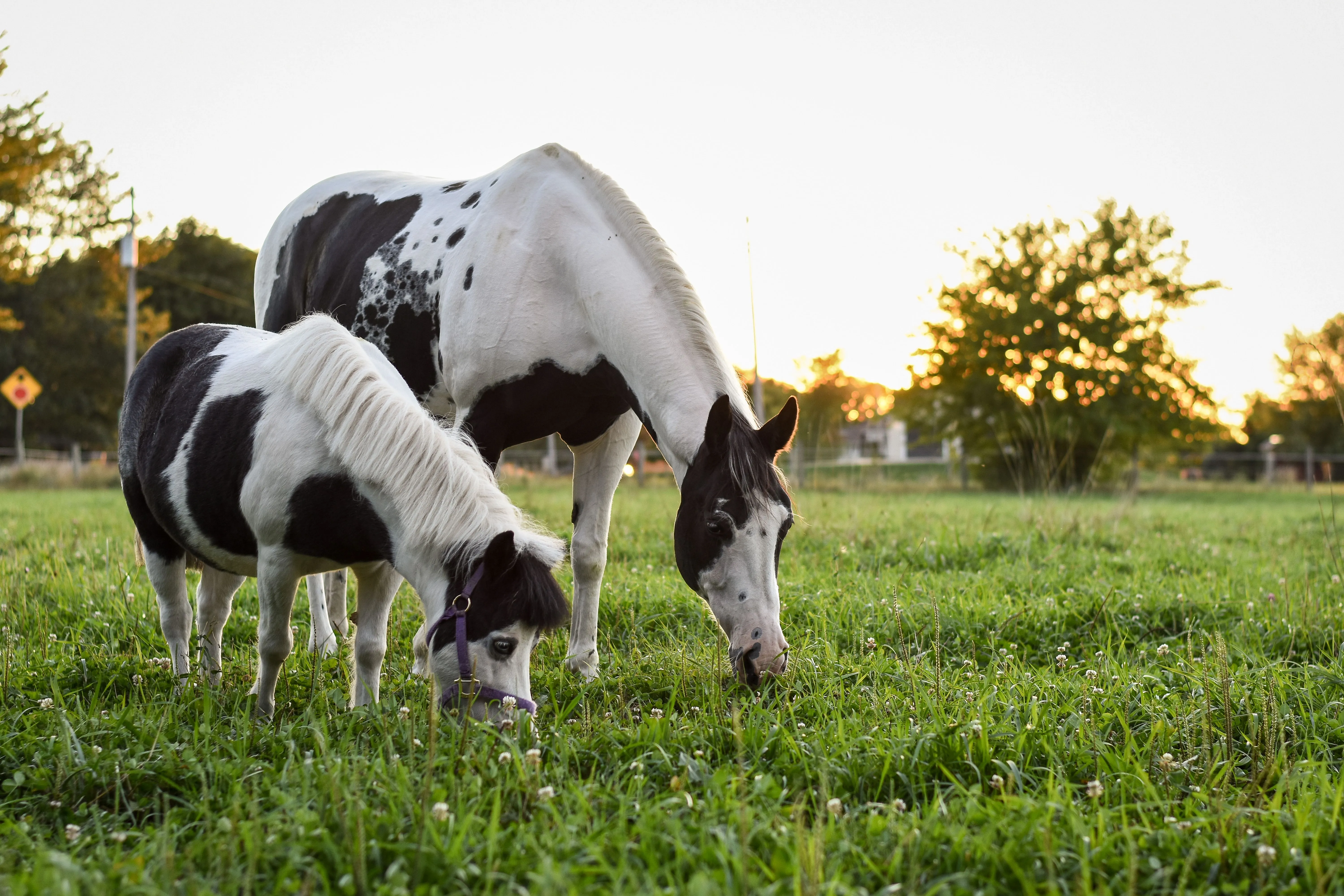
There is considerable variation in height within the horse population. There are tiny ponies, which can be even smaller than some dog breeds, as well as large draught horses, whose height at the withers is often close to 2 metres. While height is to some extent affected by environmental factors, it’s also strongly influenced by genetics. There is not a single gene that determines how tall a horse will eventually become. Rather, the final height of a horse is a result of effects of multiple genes and other factors. Let’s take a look at some of them!

Polygenic Score in Horses: When a Single Mutation is not Enough
Many people associate the term genetics with a simple and direct cause-and-effect relationship: one gene, one mutation, one trait. However, the genetic outcomes for many traits, such as performance, behavior, athleticism, disease susceptibility, and temperament, cannot be simplified in this way, as these traits are not defined by a single mutation but by hundreds to thousands of minor factors, each with its own tiny effect on the outcome. Individually, many of these variants have only a small effect, but when we look at them as a whole, they become more meaningful.
White Markings and their Genetic Background
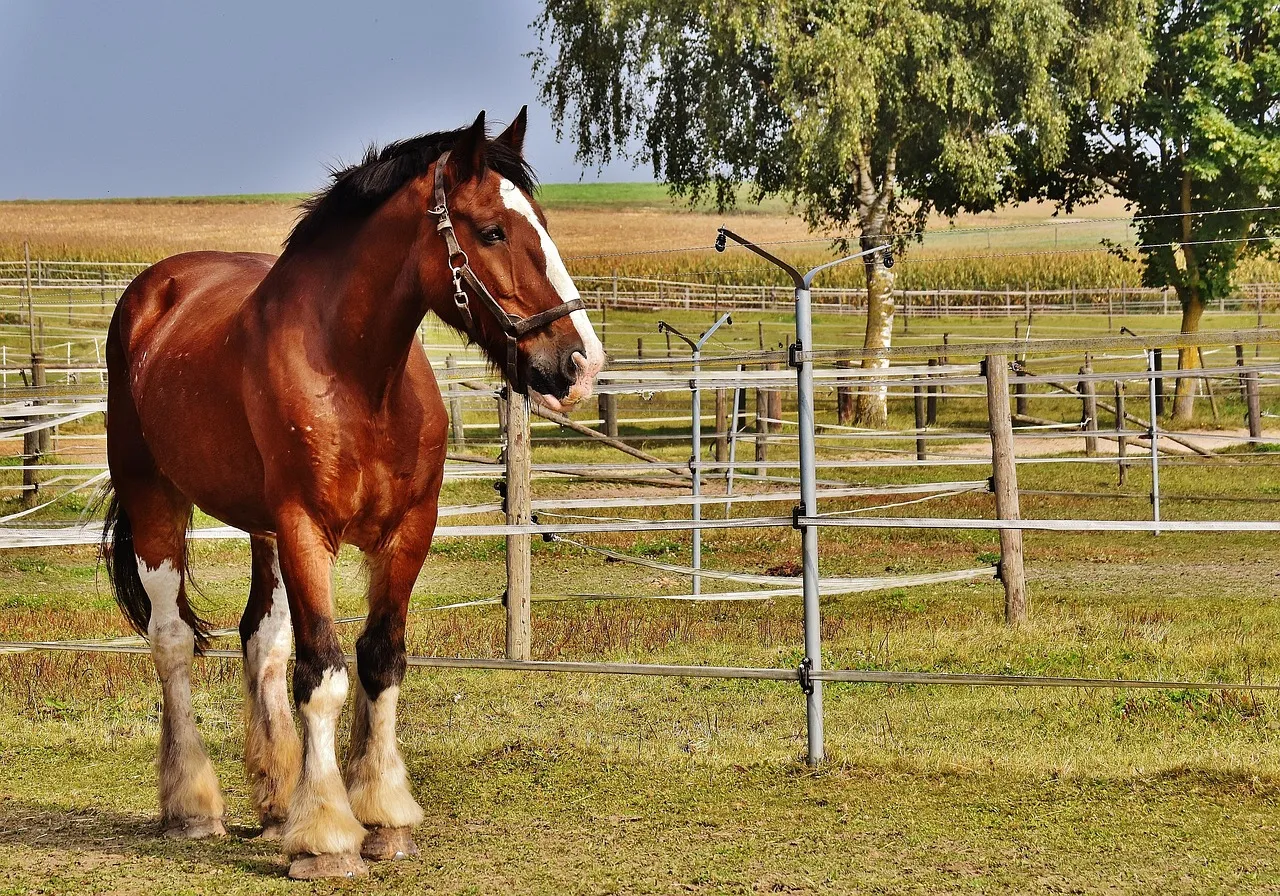
Across the animal kingdom, white markings are thought to be associated with domestication. They are typical for domesticated animals such as dogs, cats, pigs, cows, and horses, in contrast to their wild counterparts. White markings are caused by the absence of melanocytes (pigment-producing cells) in certain body areas, resulting in white hair.
Genetics of Ambling
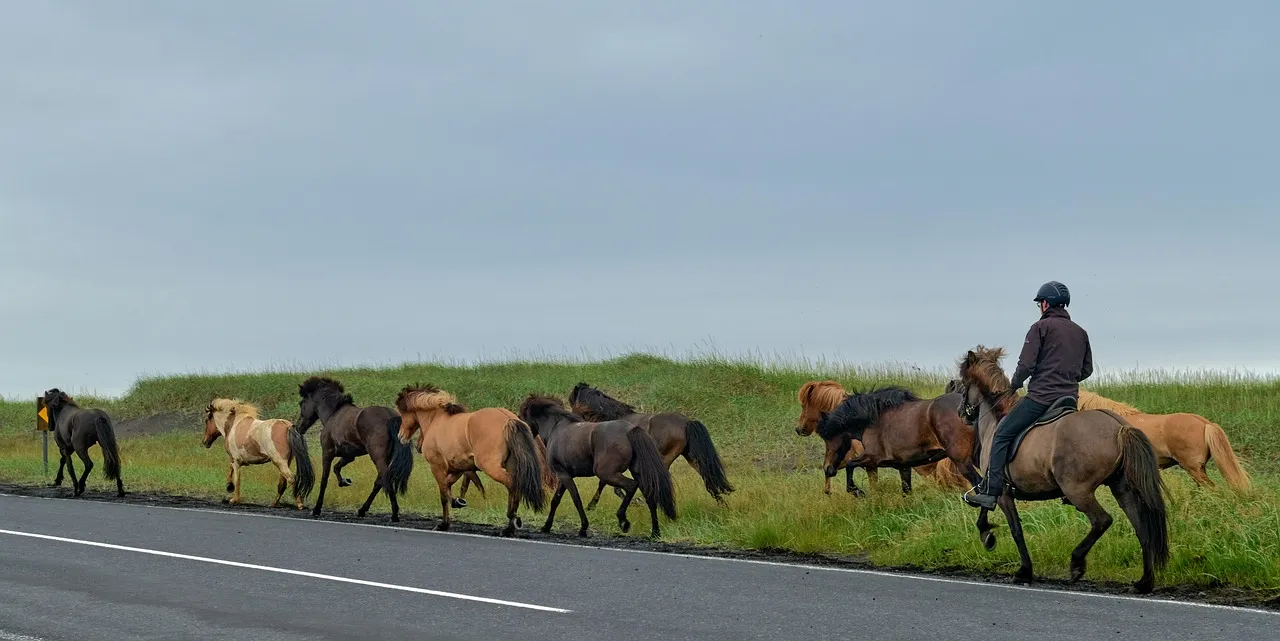
The three basic horse gaits are walk, trot, and canter. Gallop, sometimes considered to be the fourth basic gait, is practically a variant of canter. The main difference between these two gaits is that a canter is a three-beat gait, while a gallop is a faster four-beat gait that covers more ground.