

Horse owners
Owning a horse is a big responsibility, and having a clear understanding of your horse's genetic makeup can give you peace of mind. By using EquineTest you’ll know that you’ve done everything possible to set your horse up for a healthy and successful life.
Understanding Your Horse’s Health: EquineTest whole genome sequencing gives you a comprehensive view of your horse’s genetic health. It can identify any hereditary conditions or predispositions to diseases that might not be visible yet. By knowing your horse's genetic risks early on, you can take proactive steps to manage or prevent potential health issues, ensuring your horse stays healthy and happy for years to come.
Optimizing Care and Training: Every horse has unique genetic traits that influence its physical capabilities and behavior. With EquineTest you can tailor your horse's care, training, and nutrition to suit its genetic strengths. For example, if your horse has genes that suggest a strong potential for endurance, you might focus on building stamina. Conversely, if speed is in its genes, you can optimize training to enhance that trait.
Informed Breeding Decisions: If you’re considering breeding your horse in the future, Equine provides essential information. It can help you understand the genetic traits your horse could pass on to its offspring, allowing you to make more informed breeding choices. This ensures that any foals produced are healthy, high-quality, and potentially more valuable.
In short, running EquineTest on your horse is a smart move that can provide significant benefits in terms of health management, performance optimization, and future breeding. EquineTest is an investment in your horse’s future that can help you make the best possible decisions from the very start.
Ready to explore your horse’s DNA?
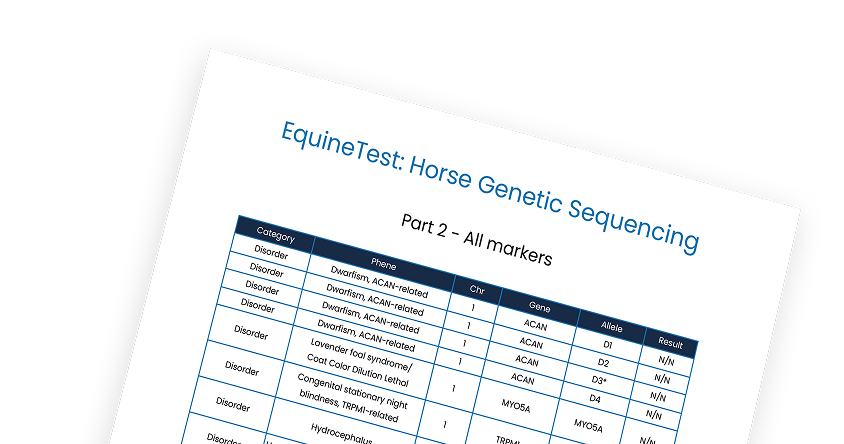
Start with a sample DNA report or order a whole genome DNA test for your horse.
Blog
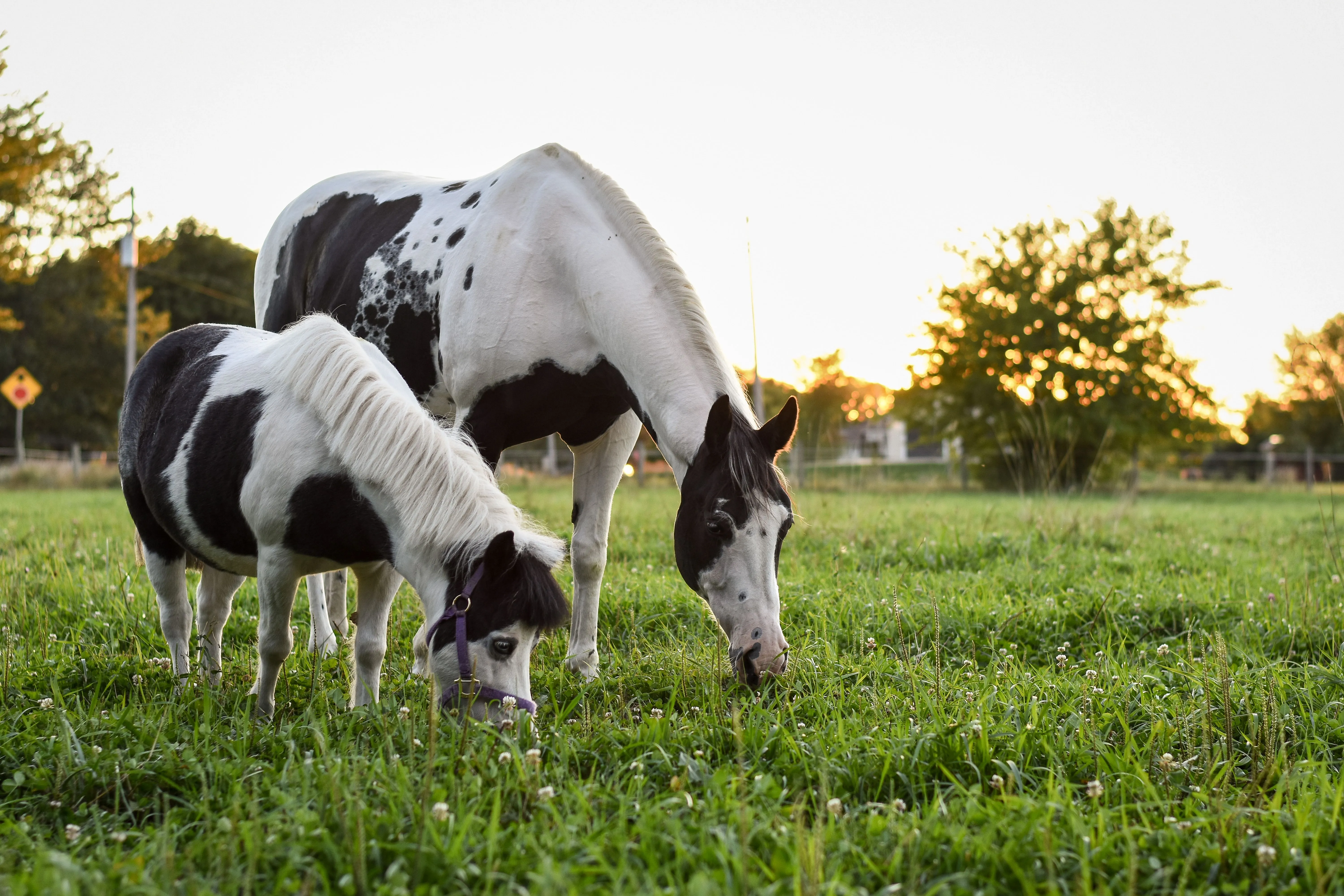
Genetic Regulation of Body Size in Horses - From Shetlands to Shires
There is considerable variation in height within the horse population. There are tiny ponies, which can be even smaller than some dog breeds, as well as large draught horses, whose height at the withers is often close to 2 metres. While height is to some extent affected by environmental factors, it’s also strongly influenced by genetics. There is not a single gene that determines how tall a horse will eventually become. Rather, the final height of a horse is a result of effects of multiple genes and other factors. Let’s take a look at some of them!

Polygenic Score in Horses: When a Single Mutation is not Enough
Many people associate the term genetics with a simple and direct cause-and-effect relationship: one gene, one mutation, one trait. However, the genetic outcomes for many traits, such as performance, behavior, athleticism, disease susceptibility, and temperament, cannot be simplified in this way, as these traits are not defined by a single mutation but by hundreds to thousands of minor factors, each with its own tiny effect on the outcome. Individually, many of these variants have only a small effect, but when we look at them as a whole, they become more meaningful.
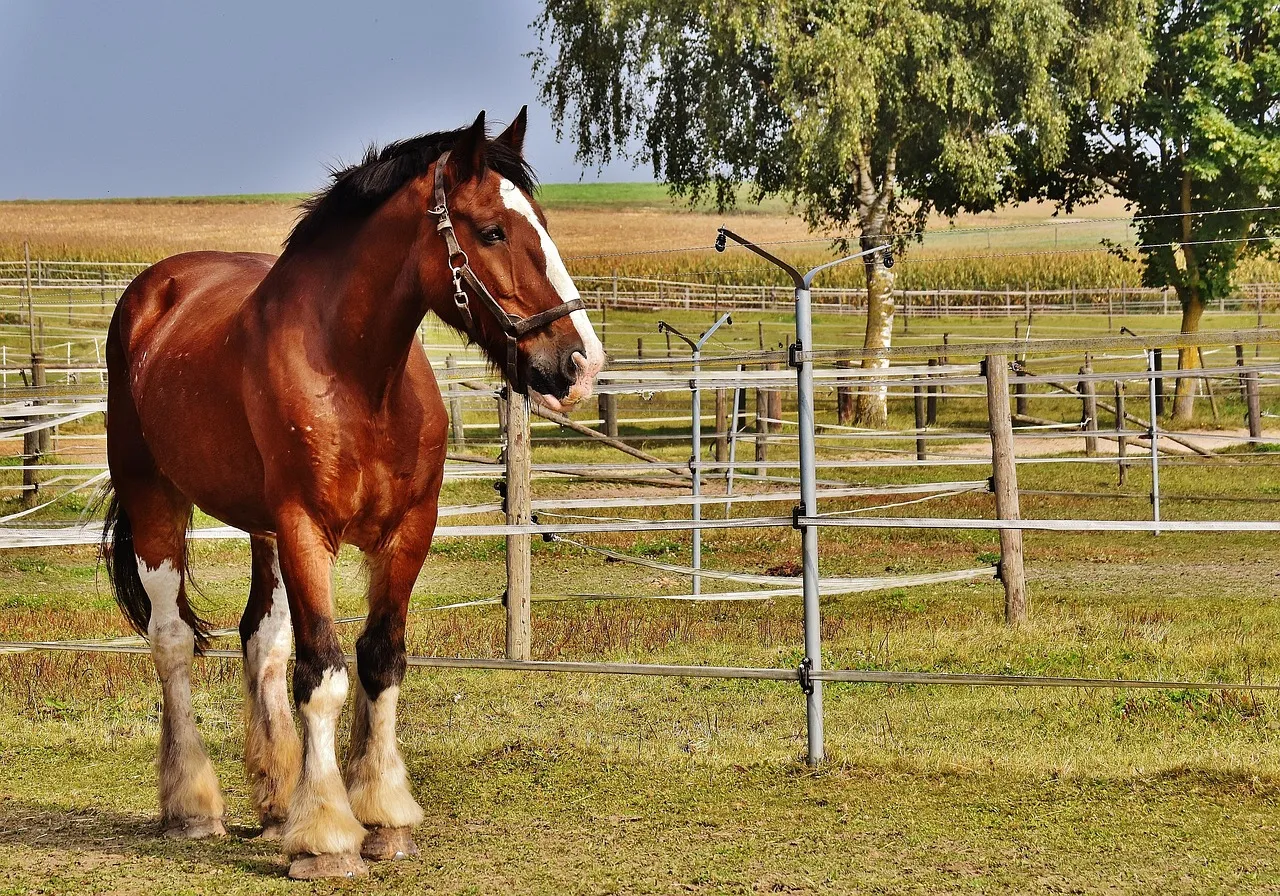
White Markings and their Genetic Background
Across the animal kingdom, white markings are thought to be associated with domestication. They are typical for domesticated animals such as dogs, cats, pigs, cows, and horses, in contrast to their wild counterparts. White markings are caused by the absence of melanocytes (pigment-producing cells) in certain body areas, resulting in white hair.
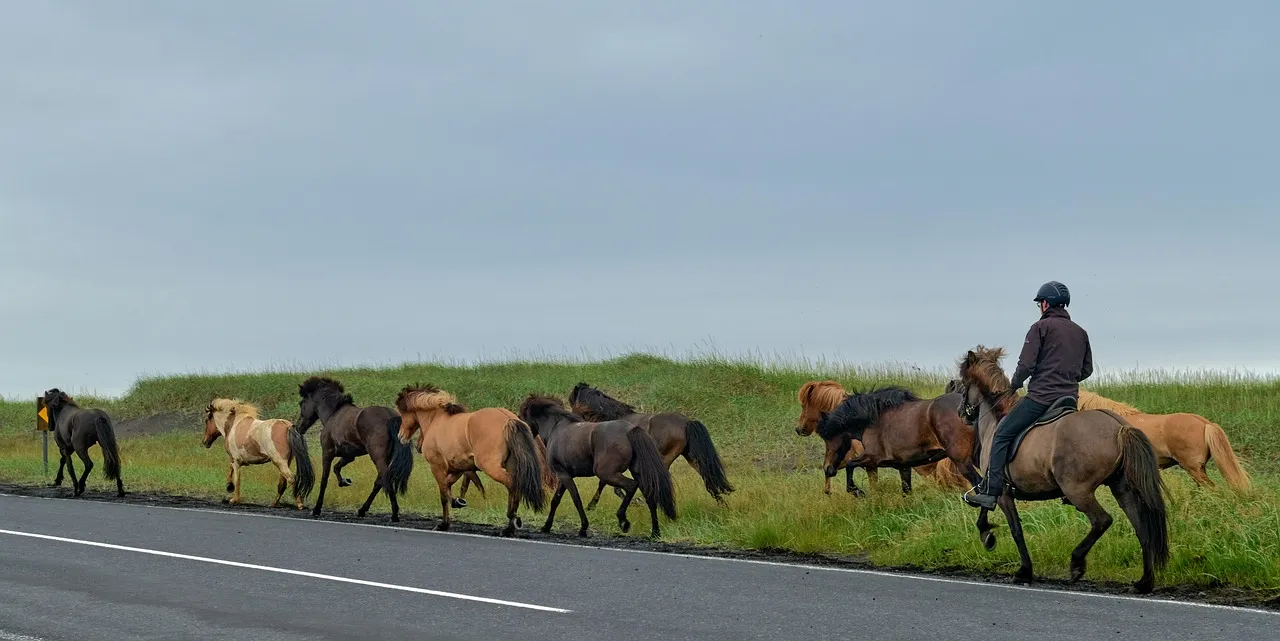
Genetics of Ambling
The three basic horse gaits are walk, trot, and canter. Gallop, sometimes considered to be the fourth basic gait, is practically a variant of canter. The main difference between these two gaits is that a canter is a three-beat gait, while a gallop is a faster four-beat gait that covers more ground.