

Stable owners
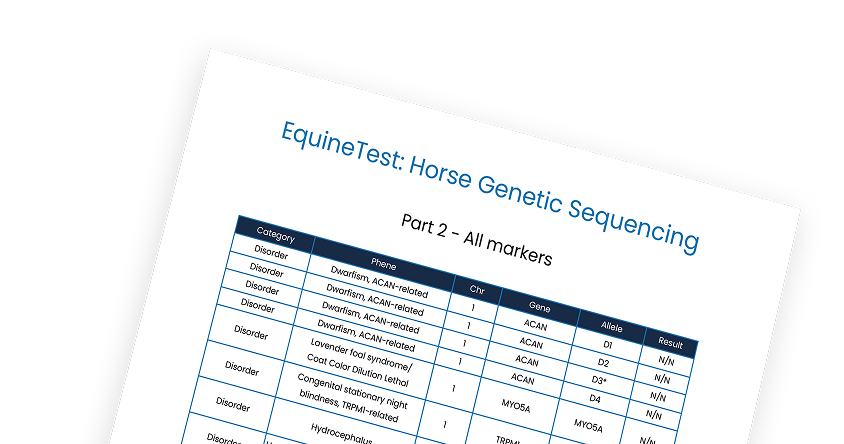
Are you owning or managing a stable? EquineTest whole genome sequencing on each horse not only enhances your understanding of them but also unlocks the potential of your entire stable when you compare the data across your herd.
Optimize Care Across the Herd: By sequencing the genomes of all your horses, you gain a deep understanding of their unique genetic profiles. This allows you to tailor care, nutrition, and training programs not just for individual horses, but for your stable as a whole. Comparing genetic data helps identify common strengths or vulnerabilities, enabling you to implement stable-wide strategies that improve the overall health and performance of your herd.
Strategic Breeding Programs: With genetic data from all your horses, you can make highly informed breeding decisions. EquineTest reveals how different genetic traits—such as temperament, performance abilities, and disease resistance—are distributed across your horses. By comparing this information, you can select breeding pairs that complement each other’s genetic strengths, enhancing the quality and marketability of future foals.
Identifying Potential Genetic Outliers: Sequencing and comparing the genomes of all your horses allows you to spot genetic outliers—horses that may have particularly rare or valuable traits. Whether it’s an exceptional gene for speed, endurance, or even a rare coat color, identifying these outliers can help you capitalize on their unique qualities, either through specialized training, competition, or targeted breeding.
Enhanced Health Monitoring and Disease Prevention: By understanding the genetic landscape of your entire herd, you can proactively manage health risks. If certain genetic predispositions to disease are found in multiple horses, you can take preventive measures across the stable, ensuring that potential health issues are addressed before they become serious. This approach not only protects individual horses but also maintains the overall health of your stable.
Building a Competitive Edge: Having a stable-wide genetic profile gives you a competitive edge in the equine industry. Whether you’re focused on racing, breeding, or selling horses, being able to demonstrate the genetic quality and potential of your herd sets you apart from others. It shows that your stable is not only committed to excellence but also utilizes the latest in genetic science to achieve it.
In conclusion, running EquineTest on all the horses in your stable and comparing their genetic data provides a powerful foundation for optimizing care, breeding, performance, and overall success. It’s an investment in the future of your stable that positions you to make the most informed and strategic decisions possible.
Ready to explore your horse’s DNA?
Start with a sample DNA report or order a whole genome DNA test for your horse.
Blog
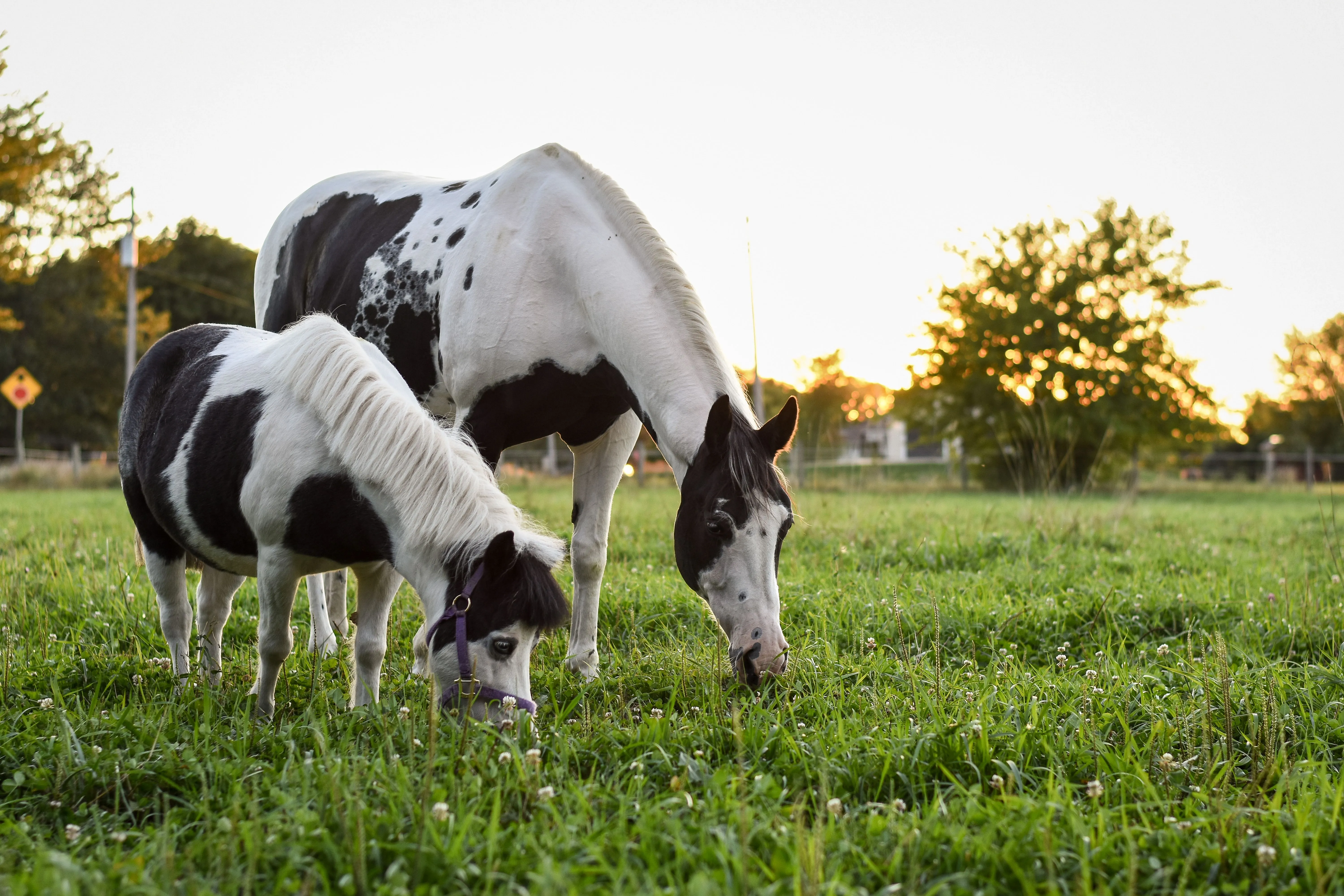
Genetic Regulation of Body Size in Horses - From Shetlands to Shires
There is considerable variation in height within the horse population. There are tiny ponies, which can be even smaller than some dog breeds, as well as large draught horses, whose height at the withers is often close to 2 metres. While height is to some extent affected by environmental factors, it’s also strongly influenced by genetics. There is not a single gene that determines how tall a horse will eventually become. Rather, the final height of a horse is a result of effects of multiple genes and other factors. Let’s take a look at some of them!

Polygenic Score in Horses: When a Single Mutation is not Enough
Many people associate the term genetics with a simple and direct cause-and-effect relationship: one gene, one mutation, one trait. However, the genetic outcomes for many traits, such as performance, behavior, athleticism, disease susceptibility, and temperament, cannot be simplified in this way, as these traits are not defined by a single mutation but by hundreds to thousands of minor factors, each with its own tiny effect on the outcome. Individually, many of these variants have only a small effect, but when we look at them as a whole, they become more meaningful.
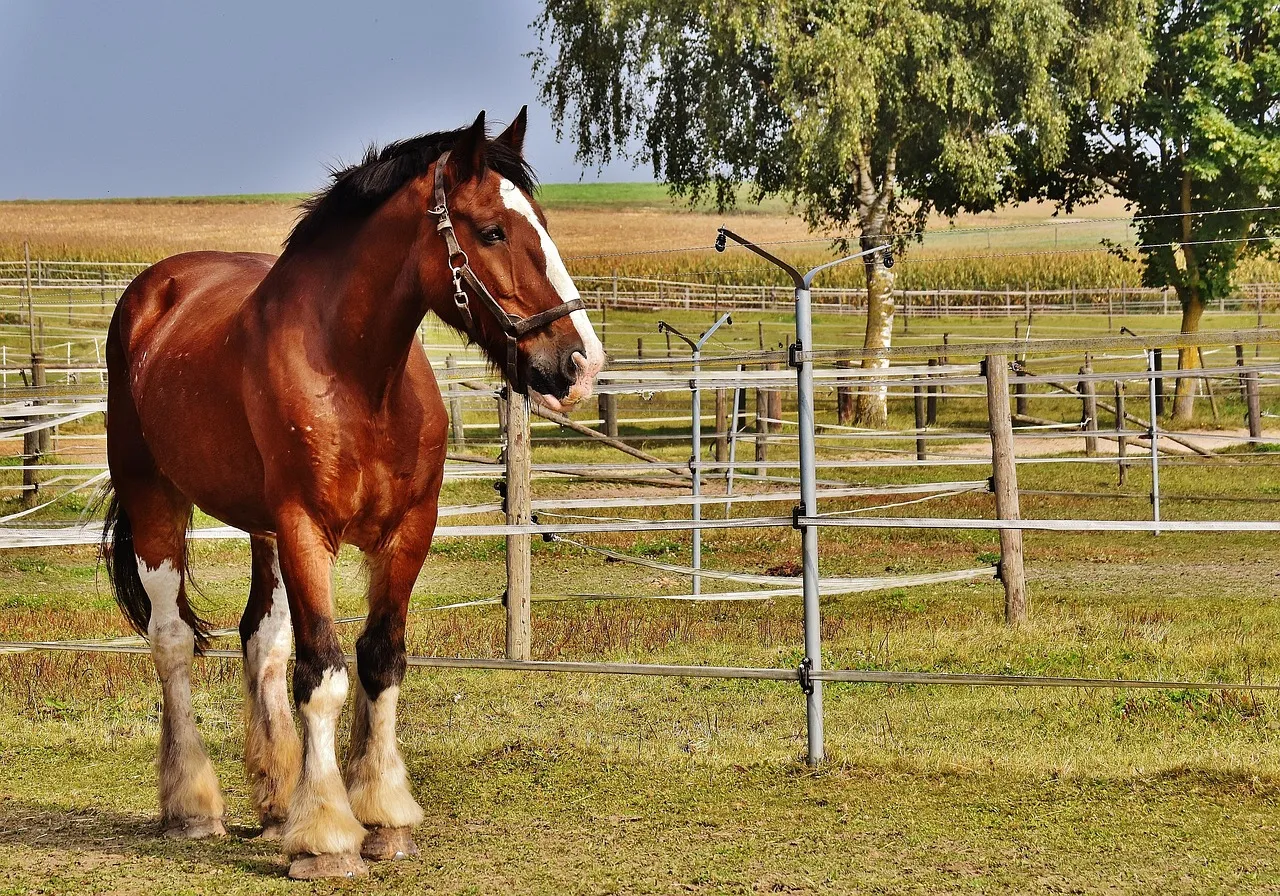
White Markings and their Genetic Background
Across the animal kingdom, white markings are thought to be associated with domestication. They are typical for domesticated animals such as dogs, cats, pigs, cows, and horses, in contrast to their wild counterparts. White markings are caused by the absence of melanocytes (pigment-producing cells) in certain body areas, resulting in white hair.
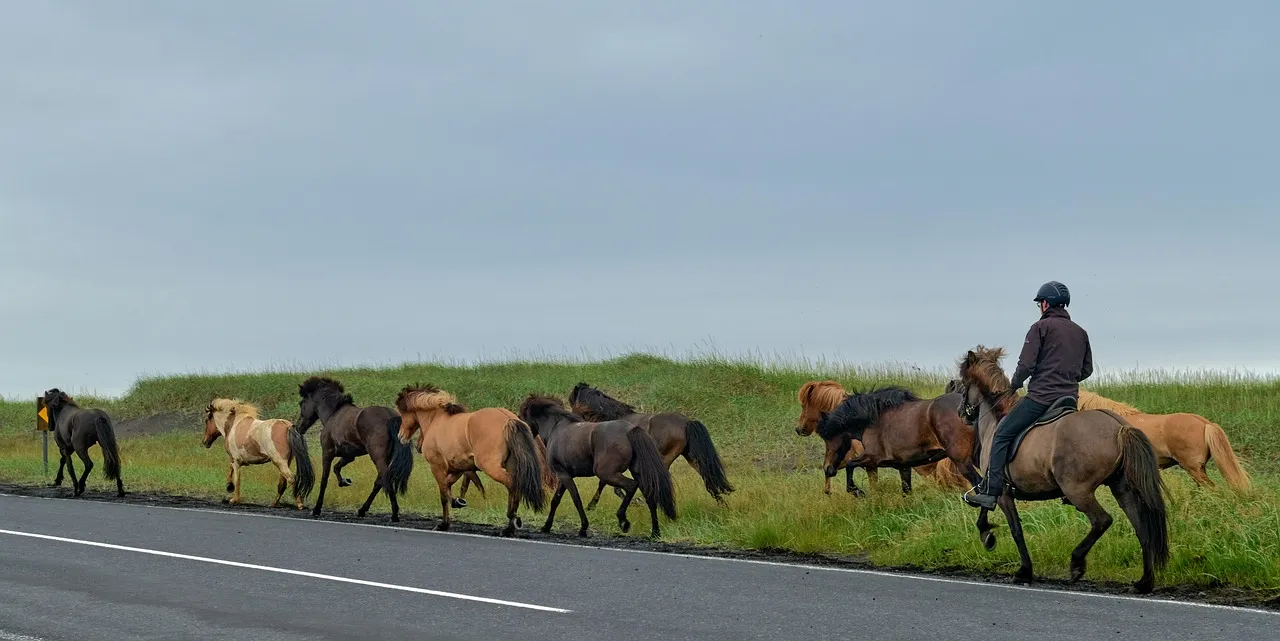
Genetics of Ambling
The three basic horse gaits are walk, trot, and canter. Gallop, sometimes considered to be the fourth basic gait, is practically a variant of canter. The main difference between these two gaits is that a canter is a three-beat gait, while a gallop is a faster four-beat gait that covers more ground.