

Veterinarians
As a veterinarian, your primary goal is to ensure the health, longevity, and overall well-being of horses you care for. One of the newest and most powerful tools we have to achieve this is EquineTest whole genome sequencing. This comprehensive genetic testing provides invaluable insights that can enhance the ability to care for horses. Here’s why we recommend you consider EquineTest whole genome sequencing for horses in your care.
Proactive Health Management: EquineTest allows you to identify genetic predispositions to various hereditary diseases long before symptoms might appear. These diseases, as you well know, can significantly impact horse’s quality of life if not managed properly. By understanding horse’s genetic risks, you can consider developing tailored preventive care plans that minimize the likelihood of these issues arising.
Additional level of care: While the initial investment in EquineTest may seem significant, it’s important to consider the long-term financial benefits for your clients – horse owners. Recommending them to undergo an early detection of genetic conditions of their horses allows for proactive management on your side, potentially saving thousands in future veterinary bills related to treating preventable diseases and creating an additional level of trust between you and your clients.
Peace of Mind and Confidence: Knowing that you have a comprehensive understanding of horses’ genetic makeup gives you peace of mind. You can rest assured that you are doing everything possible to maintain horses’ health and well-being. This knowledge allows you to be more precise and confident in your care decisions, ensuring that horses receive the best possible veterinary care tailored to their unique genetic profile.
Advancing Equine Health and Welfare: By choosing to conduct EquineTest , you are contributing to the broader effort to improve equine health and welfare. As more horses participate in genetic testing, we gain a deeper understanding of the genetic factors that influence equine health. This collective knowledge benefits not only horses in your care but the entire equine community, helping to reduce the prevalence of hereditary diseases and improve the overall quality of life for future generations of horses.
In conclusion, EquineTest is a powerful tool that can significantly enhance your ability to care. By understanding horse’s genetic blueprint, you can take a proactive, informed approach to health management.
Ready to explore your horse’s DNA?
Start with a sample DNA report or order a whole genome DNA test for your horse.

Blog

Polygenic Score in Horses: Lessons from Racehorse Fractures
Can a polygenic score alter a horse's genetic makeup? Short answer: no. A polygenic score doesn't change a horse's DNA. It adds up the tiny effects of hundreds to thousands of genetic variants into a single number that estimates predisposition – a risk, not a diagnosis. Nowadays, scientists know that some of the complex conditions in horses are due to the combined effect of a number of variants rather than the result of a single faulty gene mutation, and one of the most interesting examples currently available is that of Thoroughbred racehorses.
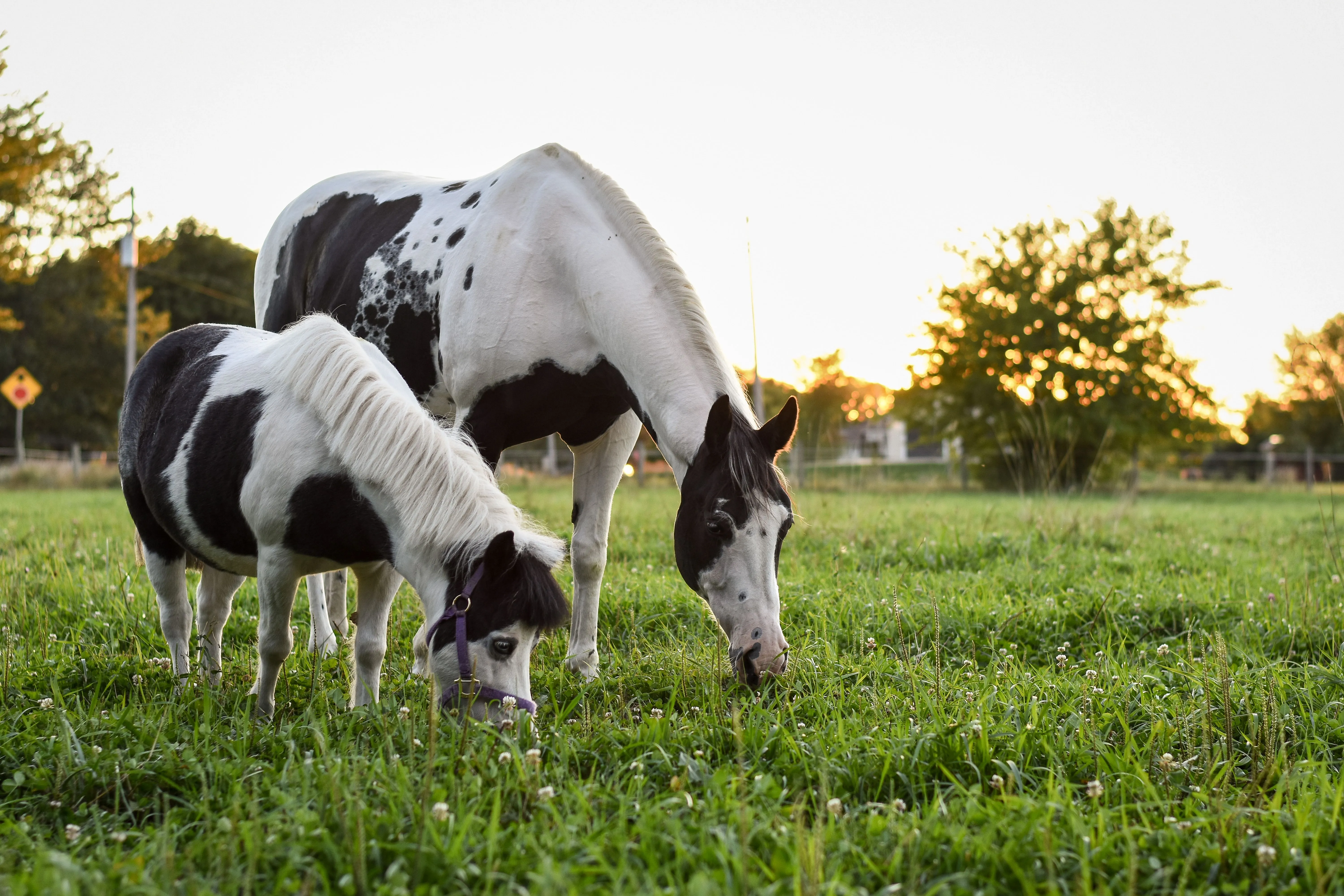
Genetic Regulation of Body Size in Horses - From Shetlands to Shires
There is considerable variation in height within the horse population. There are tiny ponies, which can be even smaller than some dog breeds, as well as large draught horses, whose height at the withers is often close to 2 metres. While height is to some extent affected by environmental factors, it’s also strongly influenced by genetics. There is not a single gene that determines how tall a horse will eventually become. Rather, the final height of a horse is a result of effects of multiple genes and other factors. Let’s take a look at some of them!

Polygenic Score in Horses: When a Single Mutation is not Enough
Many people associate the term genetics with a simple and direct cause-and-effect relationship: one gene, one mutation, one trait. However, the genetic outcomes for many traits, such as performance, behavior, athleticism, disease susceptibility, and temperament, cannot be simplified in this way, as these traits are not defined by a single mutation but by hundreds to thousands of minor factors, each with its own tiny effect on the outcome. Individually, many of these variants have only a small effect, but when we look at them as a whole, they become more meaningful.
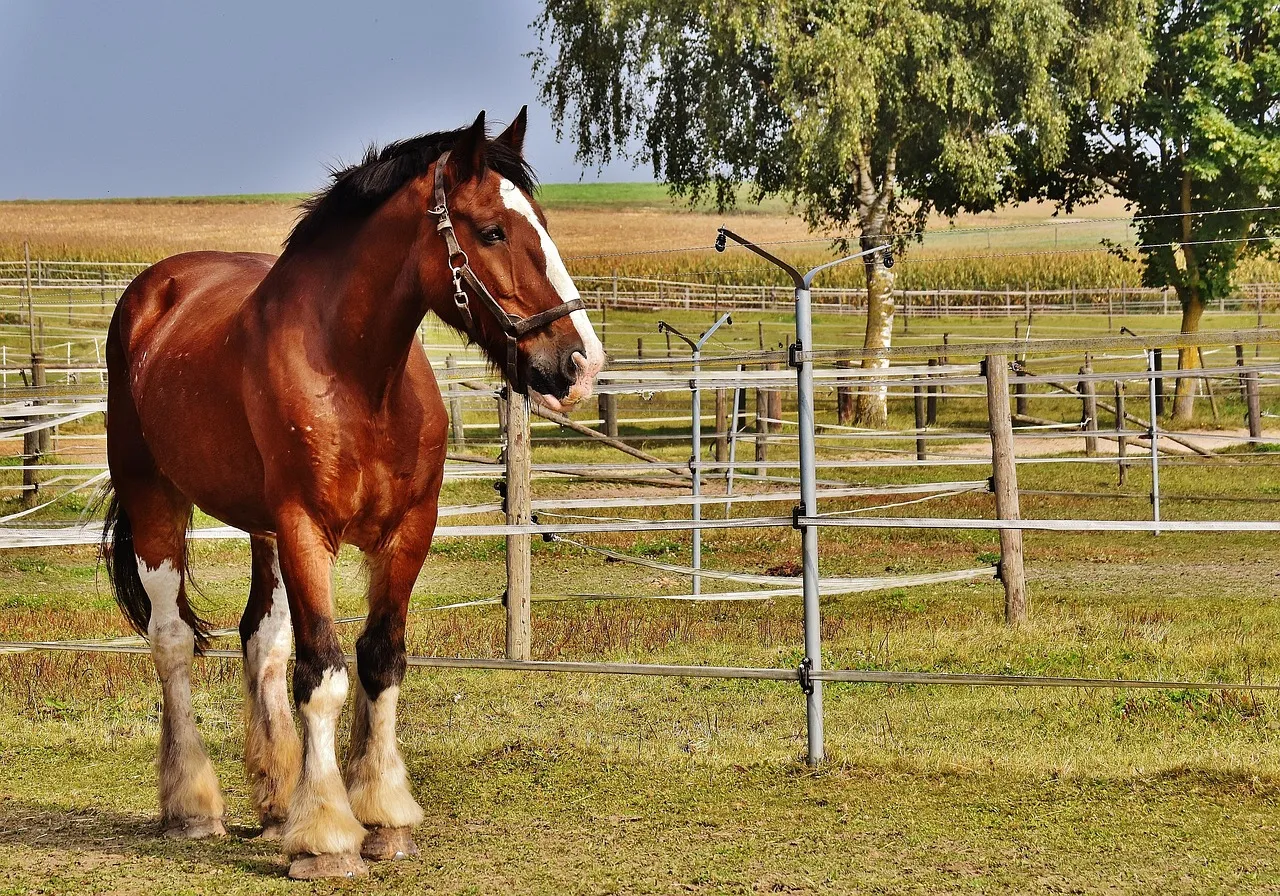
White Markings and their Genetic Background
Across the animal kingdom, white markings are thought to be associated with domestication. They are typical for domesticated animals such as dogs, cats, pigs, cows, and horses, in contrast to their wild counterparts. White markings are caused by the absence of melanocytes (pigment-producing cells) in certain body areas, resulting in white hair.