
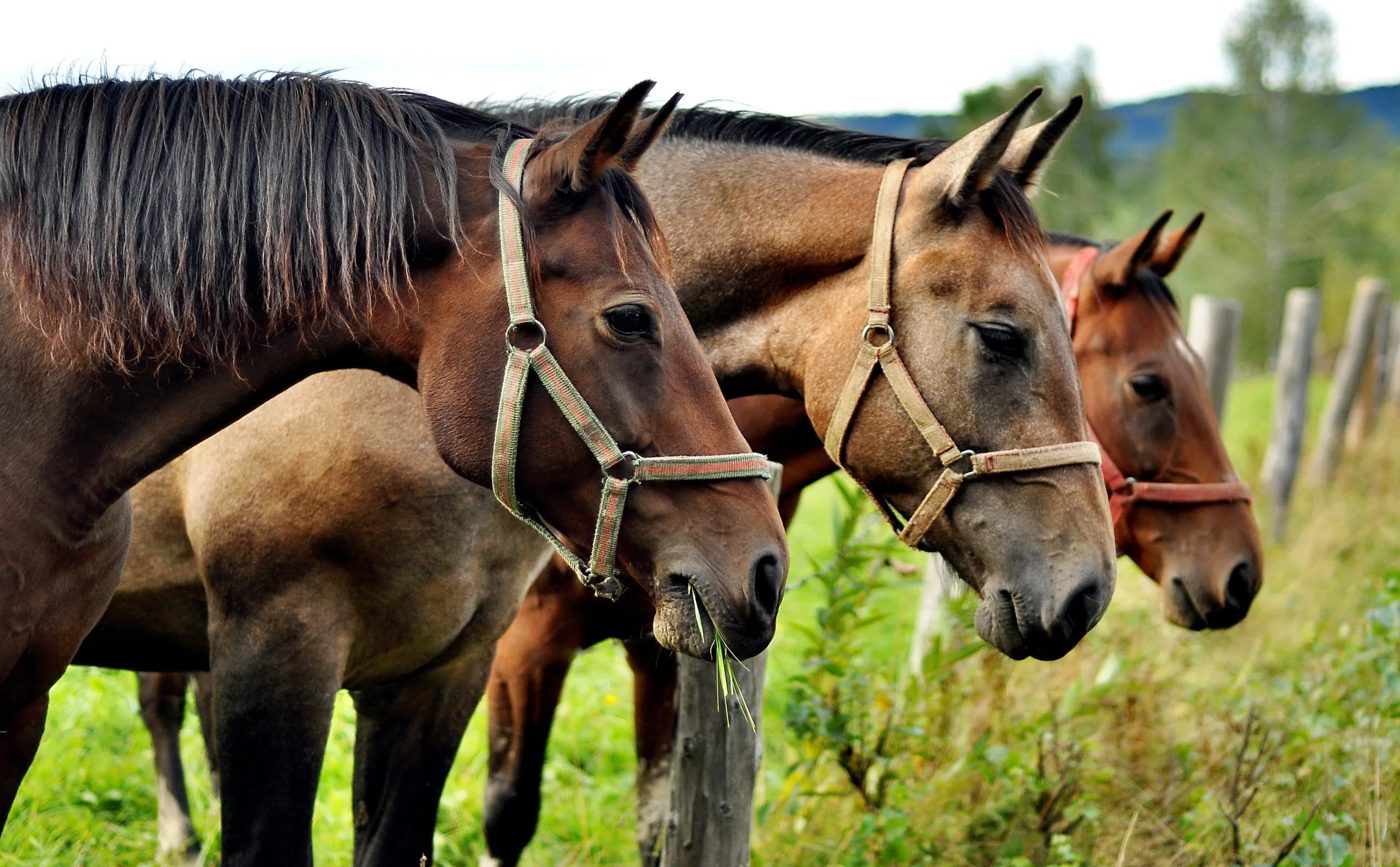
Unveiling the Genetic Secrets
Deoxyribonucleic acid, commonly referred to as DNA, is the carrier of genetic information in basically all organisms, and horses are surely no exception. DNA encodes the characteristics of the entire organism.
DNA is actually nothing more than a very long linear chain of so-called nucleotides, which are denoted by the letters A, C, G and T. Their combinations determine the structure of proteins, which are the essence of all living organisms and participate in practically all processes in living bodies.
The set of all DNA in a cell and therefore an organism is called a genome. A horse's genome is about 2.7 Gb (gigabases), so its written text would be 2,700,000,000 characters long. Modern molecular biological methods make it possible to read the genome of any organism just like you are reading this text. This process is called whole-genome sequencing.
EquineTest offers you the ability to read and store your horse's DNA sequence forever. You never need to repeat the test because the DNA sequence is basically unchanged.
With EquineTest, you benefit two times:
First, you can already now and using only a single round of sampling get information about all known genetic traits (markers) of a specific horse. There is no need to analyze for example some mutations of your interest one by one anymore!
Second, today we can read all the horse's genome without any problem, but we don't understand it all. We know what some parts of the horse's genome mean, how they manifest themselves in a given animal, e.g. some disease or coloration, and this will be duly reported to you but we don't know at all about others. But it is good to have data at hand for a future analysis.
When you read a more complex text (perhaps not this one :-), everything may not be clear to you immediately after the first reading, sometimes not even after the fifth. The situation is similar with the analysis of the horse genome. If you have your horse's genome sequence, you have a book that we only partially understand. But thanks to the rapid development of knowledge in this area, we know more and more every year and can return to this "text" and learn new things, such as performance predispositions, in half a year, a year or in five years from now...
Ready to explore your horse’s DNA?
Start with a sample DNA report or order a whole genome DNA test for your horse.
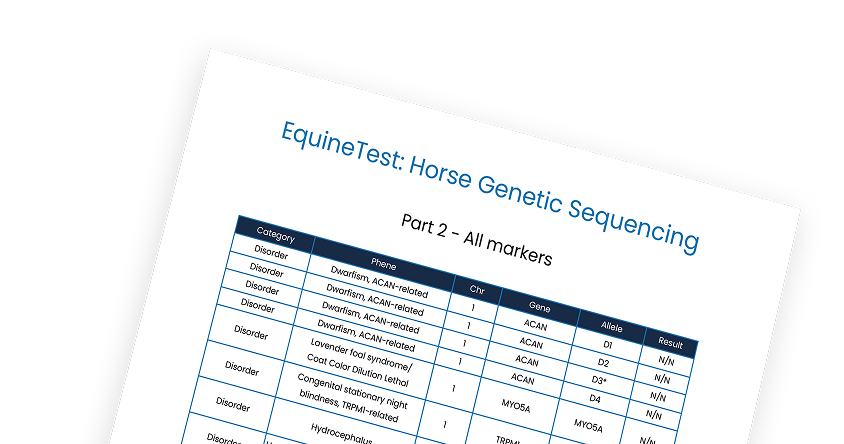
Blog

Polygenic Score in Horses: Lessons from Racehorse Fractures
Can a polygenic score alter a horse's genetic makeup? Short answer: no. A polygenic score doesn't change a horse's DNA. It adds up the tiny effects of hundreds to thousands of genetic variants into a single number that estimates predisposition – a risk, not a diagnosis. Nowadays, scientists know that some of the complex conditions in horses are due to the combined effect of a number of variants rather than the result of a single faulty gene mutation, and one of the most interesting examples currently available is that of Thoroughbred racehorses.
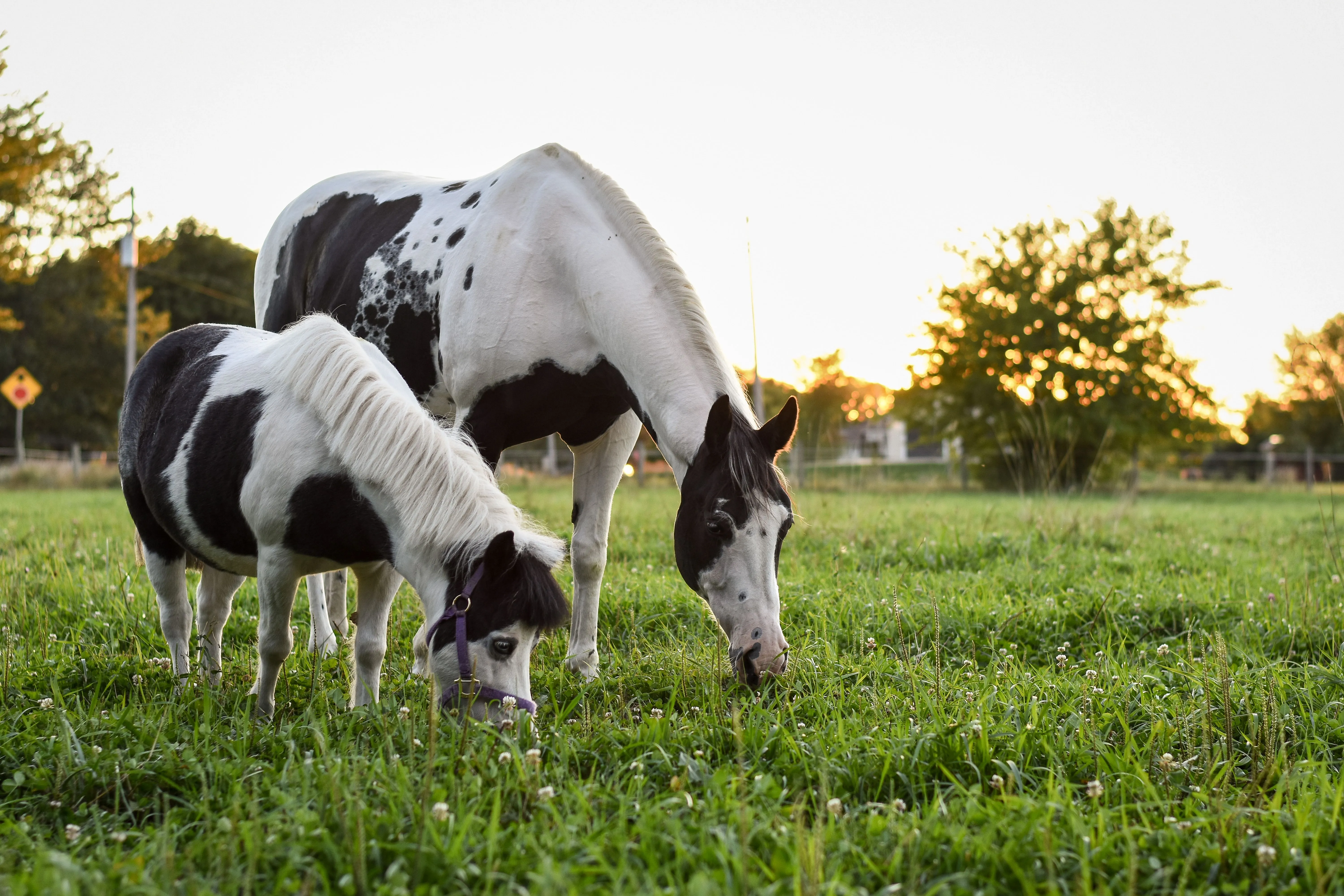
Genetic Regulation of Body Size in Horses - From Shetlands to Shires
There is considerable variation in height within the horse population. There are tiny ponies, which can be even smaller than some dog breeds, as well as large draught horses, whose height at the withers is often close to 2 metres. While height is to some extent affected by environmental factors, it’s also strongly influenced by genetics. There is not a single gene that determines how tall a horse will eventually become. Rather, the final height of a horse is a result of effects of multiple genes and other factors. Let’s take a look at some of them!

Polygenic Score in Horses: When a Single Mutation is not Enough
Many people associate the term genetics with a simple and direct cause-and-effect relationship: one gene, one mutation, one trait. However, the genetic outcomes for many traits, such as performance, behavior, athleticism, disease susceptibility, and temperament, cannot be simplified in this way, as these traits are not defined by a single mutation but by hundreds to thousands of minor factors, each with its own tiny effect on the outcome. Individually, many of these variants have only a small effect, but when we look at them as a whole, they become more meaningful.
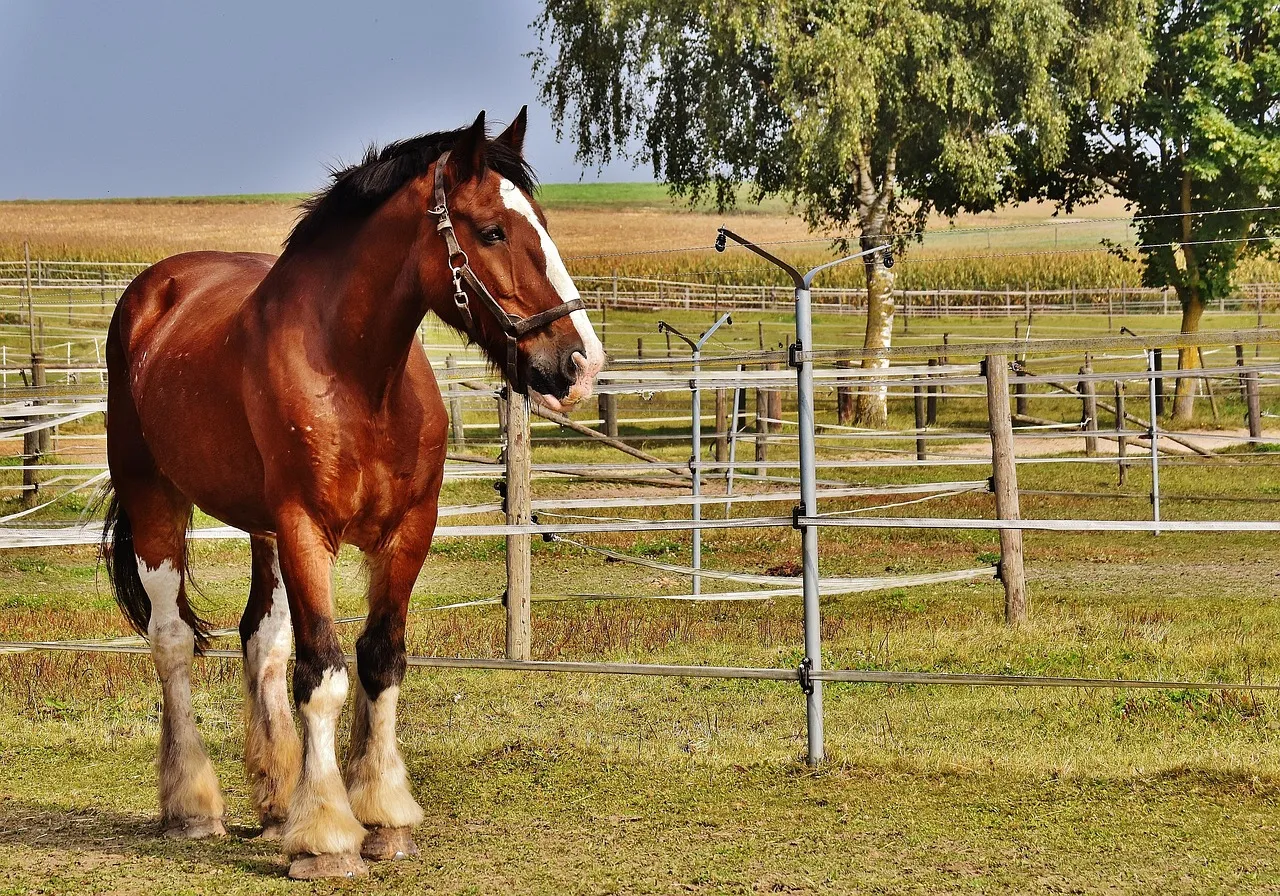
White Markings and their Genetic Background
Across the animal kingdom, white markings are thought to be associated with domestication. They are typical for domesticated animals such as dogs, cats, pigs, cows, and horses, in contrast to their wild counterparts. White markings are caused by the absence of melanocytes (pigment-producing cells) in certain body areas, resulting in white hair.