
Blog
MIM – P8, Px, K1 Variants
MIM (Muscle Integrity Myopathy), previously also known as PSSM2, is a term connected to myopathic episodes in horses. Six different variants have been described in relation to this term.
MIM – P2, P3, P4 Variants
MIM (Muscle Integrity Myopathy), also known as PSSM2 (Polysacharide Storage Myopathy Type 2), is a term connected to myopathic episodes in horses.
Behavioral Traits and their Genetic Determination
Just as some people prefer horses with a specific coat color, others may be interested in selecting horses based on certain behavioral traits. Genetics can provide fascinating insights into horse behavior, offering clues about tendencies that may influence how a horse responds to training and handling.
Genetic Uniqueness of Horses
Horses combine a number of amazing, perhaps even contradictory characteristics that make them unique in the animal kingdom. They are large, strong, and energetic, yet incredibly gentle and willing — strong enough to carry a rider, remarkably athletic to do it over long distances and varied terrain, yet calm and cooperative enough to actually do so. And science shows that genetics is behind it.
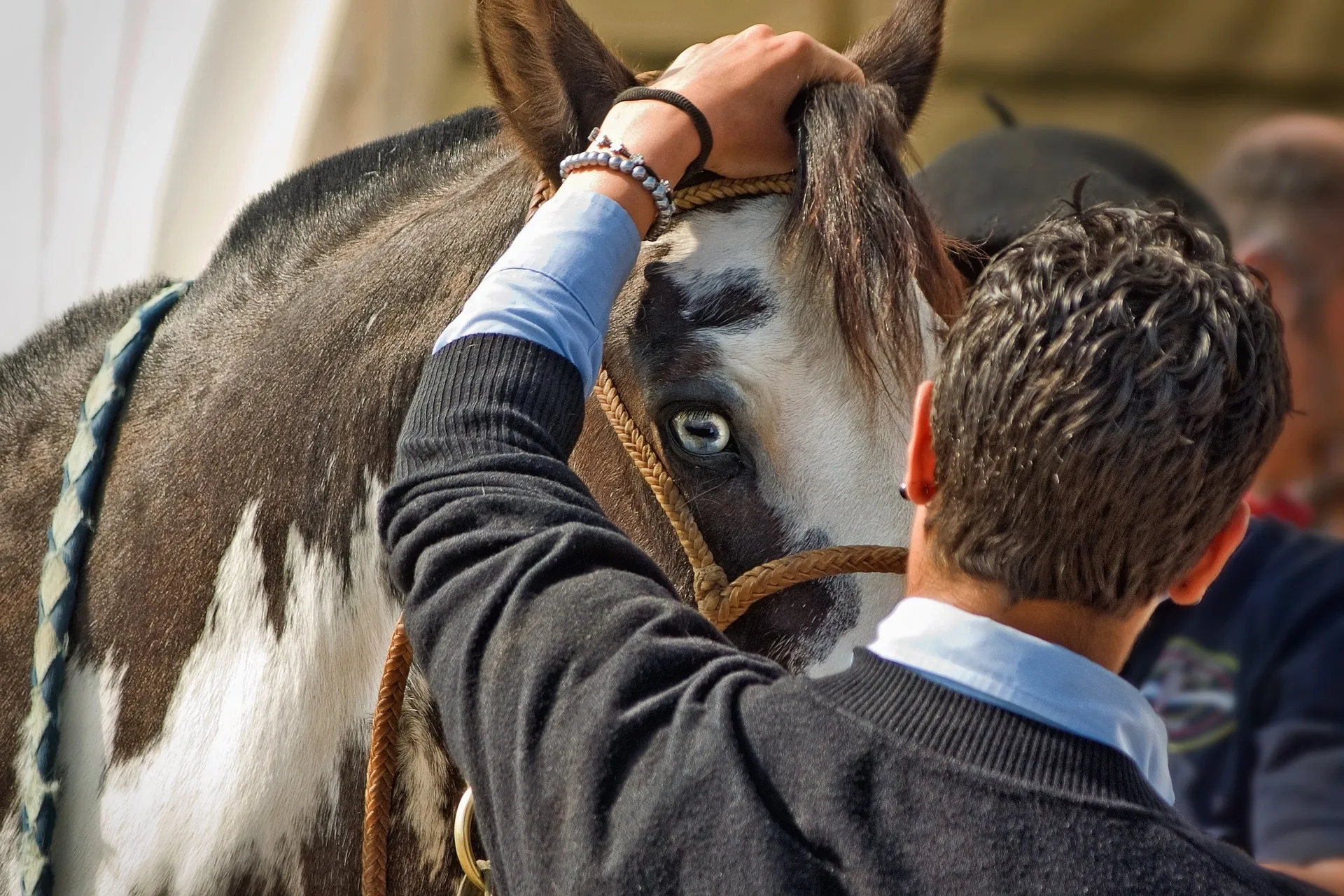
Genetic Health Panel Tests
If you’ve ever been around Paint or Quarter Horses, you have probably heard of health panel tests, more specifically, 5-, 6-, or 7-panel tests. A genetic health panel test is an umbrella term for multiple tests targeting several diseases, with the exact number of covered diseases varying between different panels. The respective associations overseeing these breeds may require these panel tests when registering horses for breeding, especially in the case of stallions.
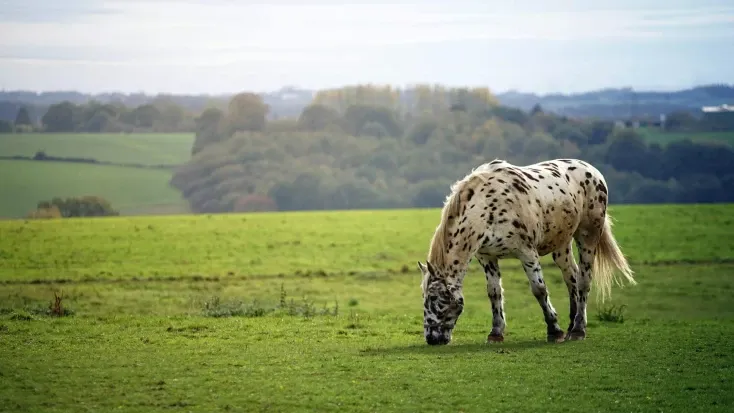
Leopard Complex and Eye Health Issues
The leopard complex is a group of white spotting patterns, including the leopard, few-spot leopard, snowcap blanket, lace blanket, spotted blanket, varnish roan, snowflake, and frosted, speckled, and mottled patterns.
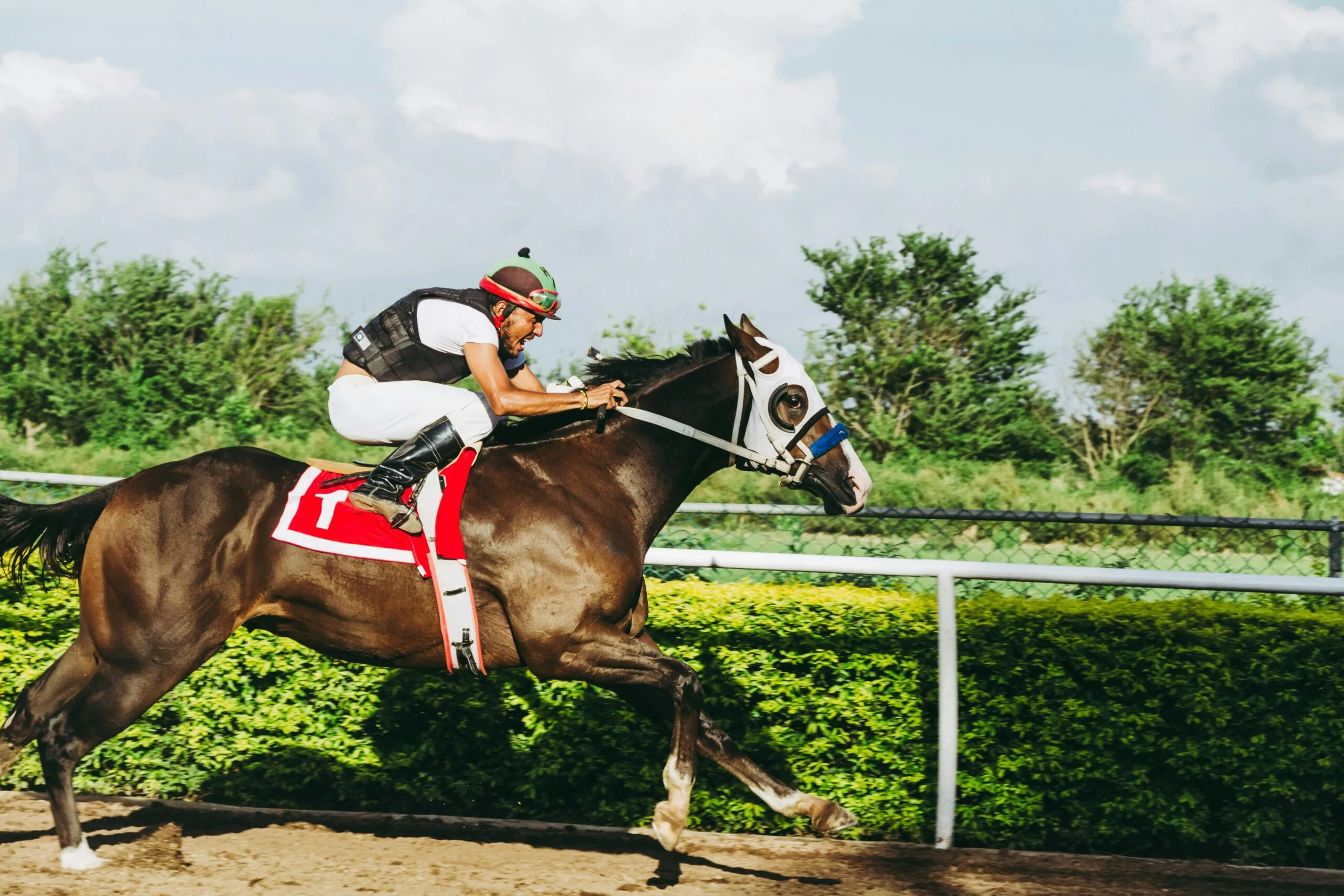
The Speed Gene
Horses are an exceptionally athletic species, and even though many of their traditional purposes have faded away over time, some reasons why we, humans, keep them remain. In the past, horses were generally kept for reasons different from today’s. While the number of horses kept solely for sport and status used to be low, today, sport horses, along with leisure horses, represent the majority of the population.