
DNA
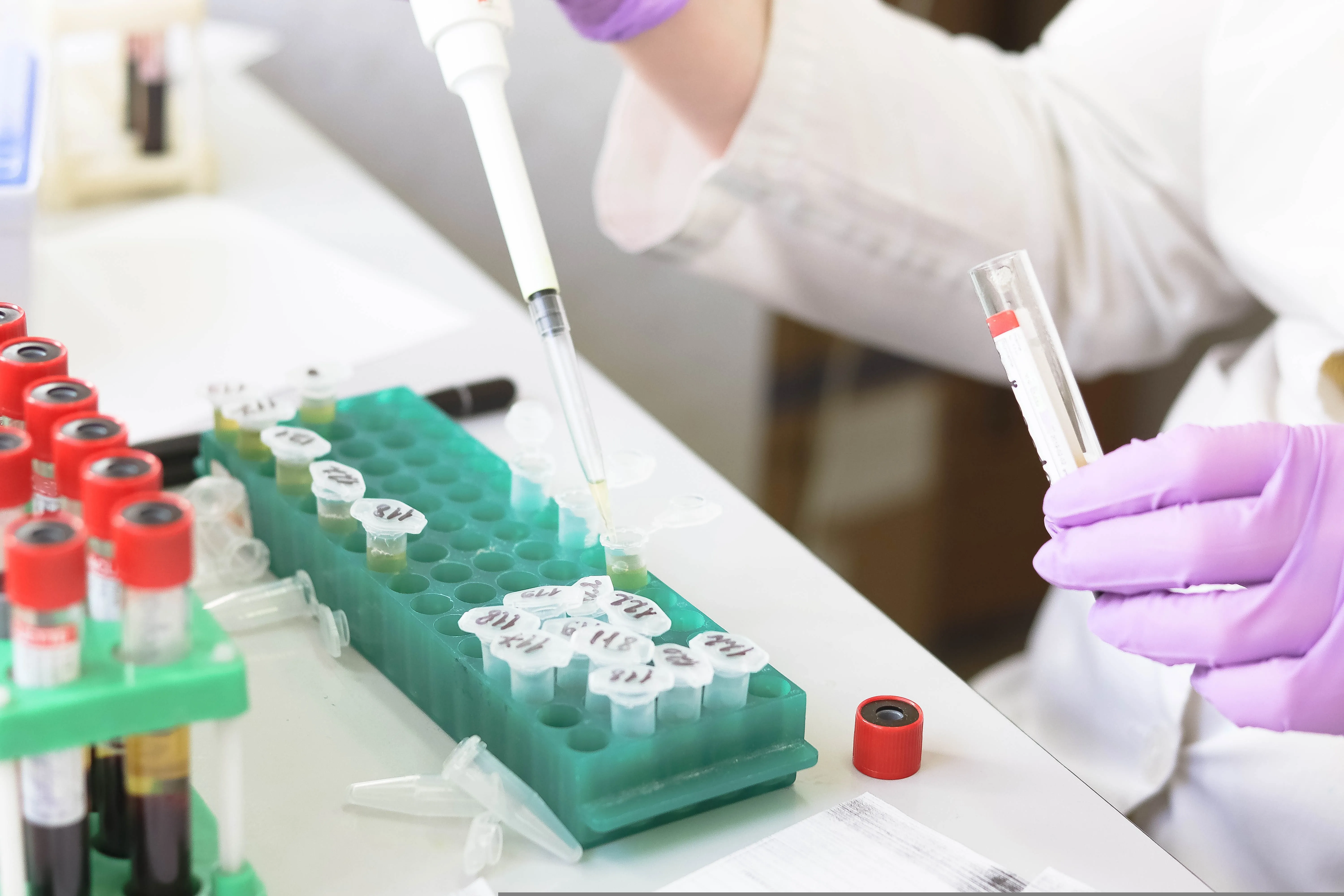
Polygenic Score in Horses: When a Single Mutation is not Enough
Many people associate the term genetics with a simple and direct cause-and-effect relationship: one gene, one mutation, one trait. However, the genetic outcomes for many traits, such as performance, behavior, athleticism, disease susceptibility, and temperament, cannot be simplified in this way, as these traits are not defined by a single mutation but by hundreds to thousands of minor factors, each with its own tiny effect on the outcome. Individually, many of these variants have only a small effect, but when we look at them as a whole, they become more meaningful.

Why to Choose EquineTest
Traditional genetic tests give you just a glimpse, but EquineTest gives you the full story. By analysing every letter of your horse’s DNA, we unlock insights into health, traits, and genetic potential like never before — gaining more knowledge, making better decisions. Because when it comes to your horse, you deserve the whole picture.
The Problem's Name is Genetic Burden
We have been breeding horses for hundreds and thousands of years. We choose among them the ones we prefer, while our preferences have understandably changed over time, especially in connection with their use. The horse population also developed significantly in terms of its size, the decline in the number of horses with the onset of the industrial revolution is particularly typical. And last but not least, breeding was quite often carried out within relatively small, mutually isolated populations. All of these factors have contributed significantly to the horses as we have them today.
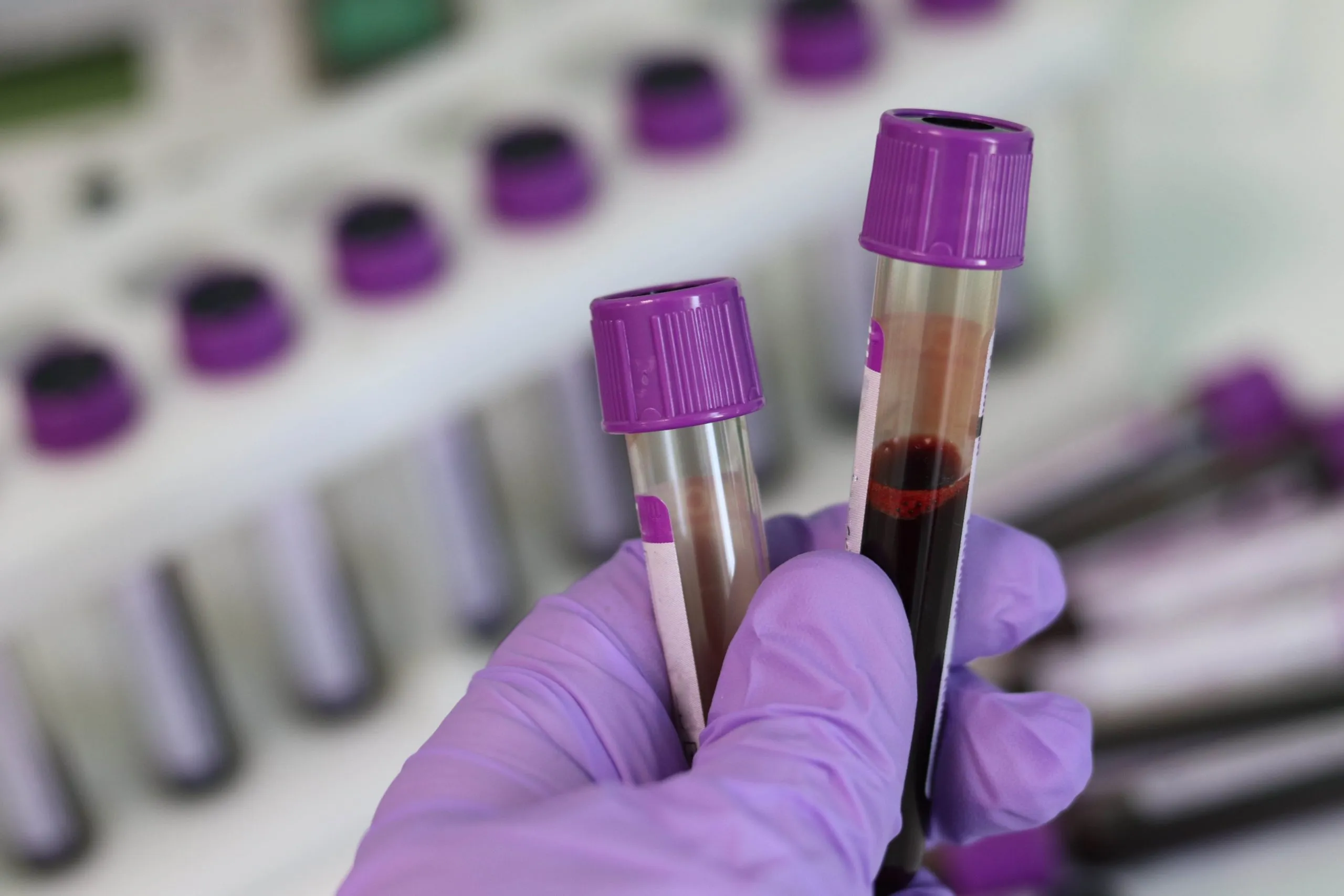
DNA Sampling – Why blood for EquineTest?
There are basically two standard ways of sampling your horse – blood or hair. But it does matter what the goal of the analysis is because every method has its pros and cons!
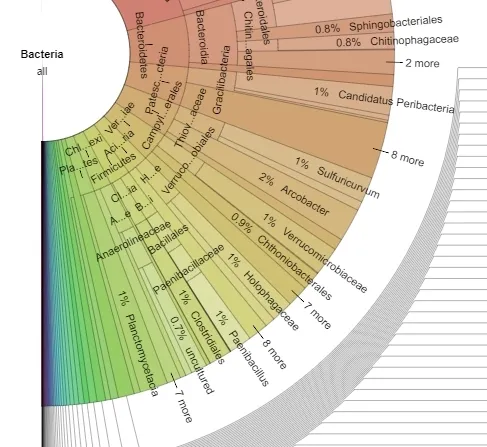
Step Aside - The Horse Gut Microbiome
If we want to make full use of the possibilities of modern DNA analysis methods for the benefit of horses, we do not need to look only at their genome.