
Blog
When the Test Results are Negative but the Symptoms are Present
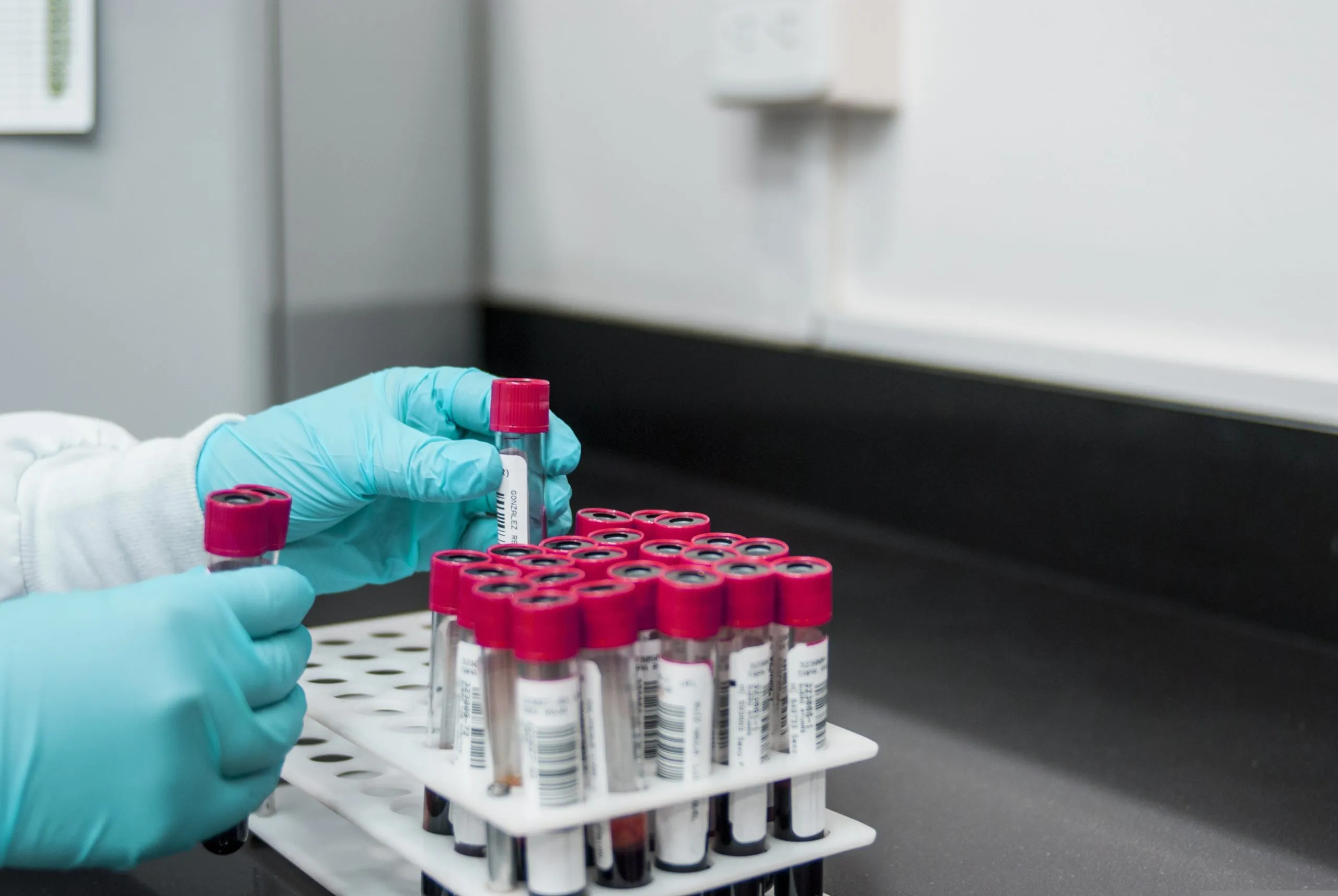
It may have happened to you, your friend, a family member, your dog or your horse. A genetic test was run in the hope of finding a reason behind your or their health problems, but the test results were negative. No questions were answered, and the patient was left undiagnosed. For now.

Genetics in the Face of Doping
At the beginning of the year, the British Horseracing Authority (BHA) announced that racehorses in Britain would undergo testing for gene doping with immediate effect. Gene doping has been banned since 2004 by the World Anti-Doping Agency (WADA) both in humans and animals, and so far, there is no evidence that gene doping is actually taking place in horses.
Basics of Equine Colour Genetics
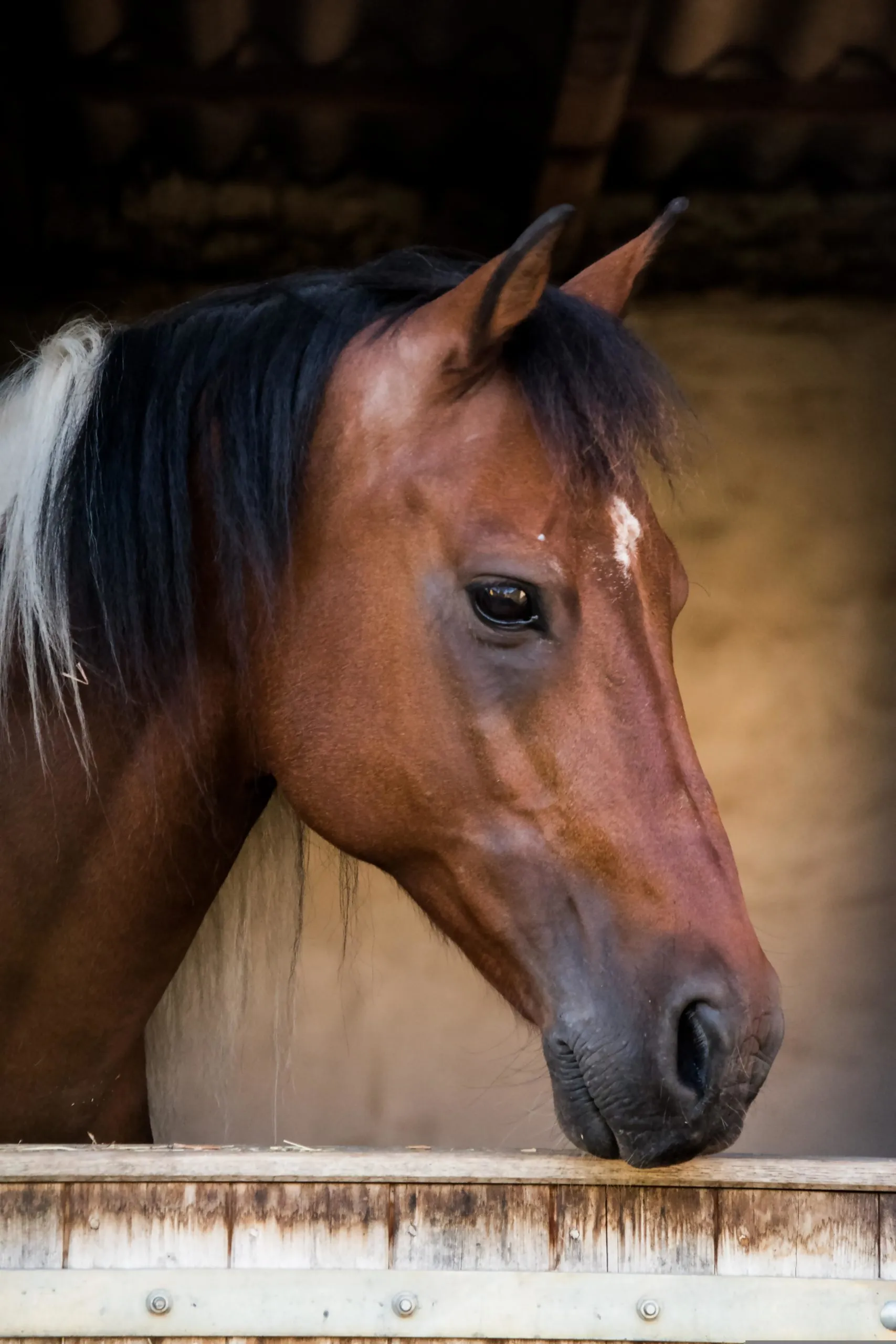
One of the first things everyone notices about a horse is its colour. Sometimes it’s pretty clear what colour a horse is, while at other times it sparks a full-on discussion — often about foals and young horses — regarding their actual colour. However, genetics can give you a straightforward answer. To some extent — while the main genetic mechanisms are known, some colour variants and their interactions still require clarification.

Popular Sire Effect
You may have noticed that all horses in the 2025 Kentucky Derby are descendants of Secretariat. From a genetic perspective, this is an example of a relatively common trend in breeding: breeding mares to top-performing stallions. These sires are often exceptional in some way and therefore preferred by breeders, who hope their qualities will be passed on to their offspring. However, these breeding decisions inevitably shape the entire breed population, not always for the better. Let’s discuss what is known as the popular sire effect.

Genetic Aspects of Cancer in Horses
The three most common cancers in horses are sarcoids, squamous cell carcinomas and melanomas. All of these are suspected - or even confirmed - to be hereditary cancer syndromes.
Fragile Foal Syndrome – Not Only a Warmblood Problem
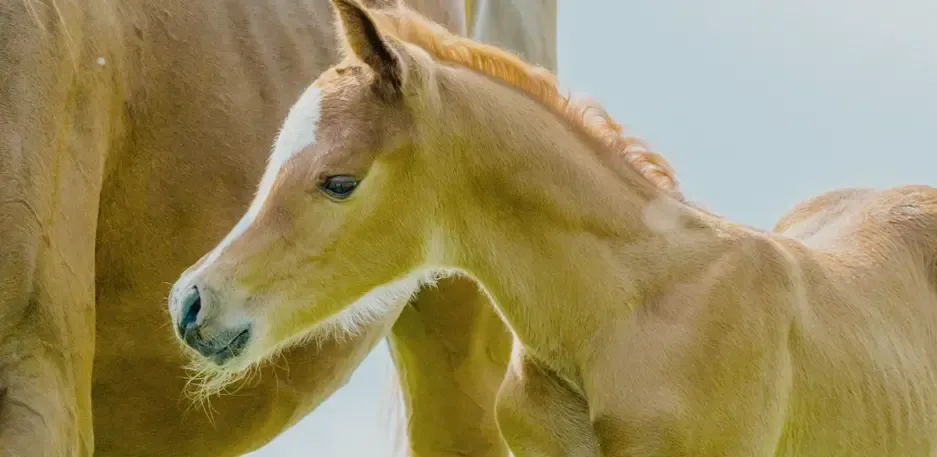
With breeding season in full swing here in the Northern Hemisphere, some genetic diseases are being mentioned more frequently than others. Fragile Foal Syndrome (FFS), also known as Warmblood Fragile Foal Syndrome (WFFS), is one of them. It is a disease most often associated with dressage warmbloods, but it can also be found in show jumpers, eventers, and — although much less frequently — in Paint Horses, Thoroughbreds, and other breeds.
MIM (PSSM2) Genetic Testing – What’s the Deal with it?
In the last two decades, modern molecular biology methods, including DNA sequencing – perhaps one should say mainly DNA sequencing – have turned the world of human diagnostics upside down. There is so much new information about the genetic makeup of humans, causes of features, diseases, and more and news is coming in daily.