
Horses
Genetic Regulation of Body Size in Horses - From Shetlands to Shires
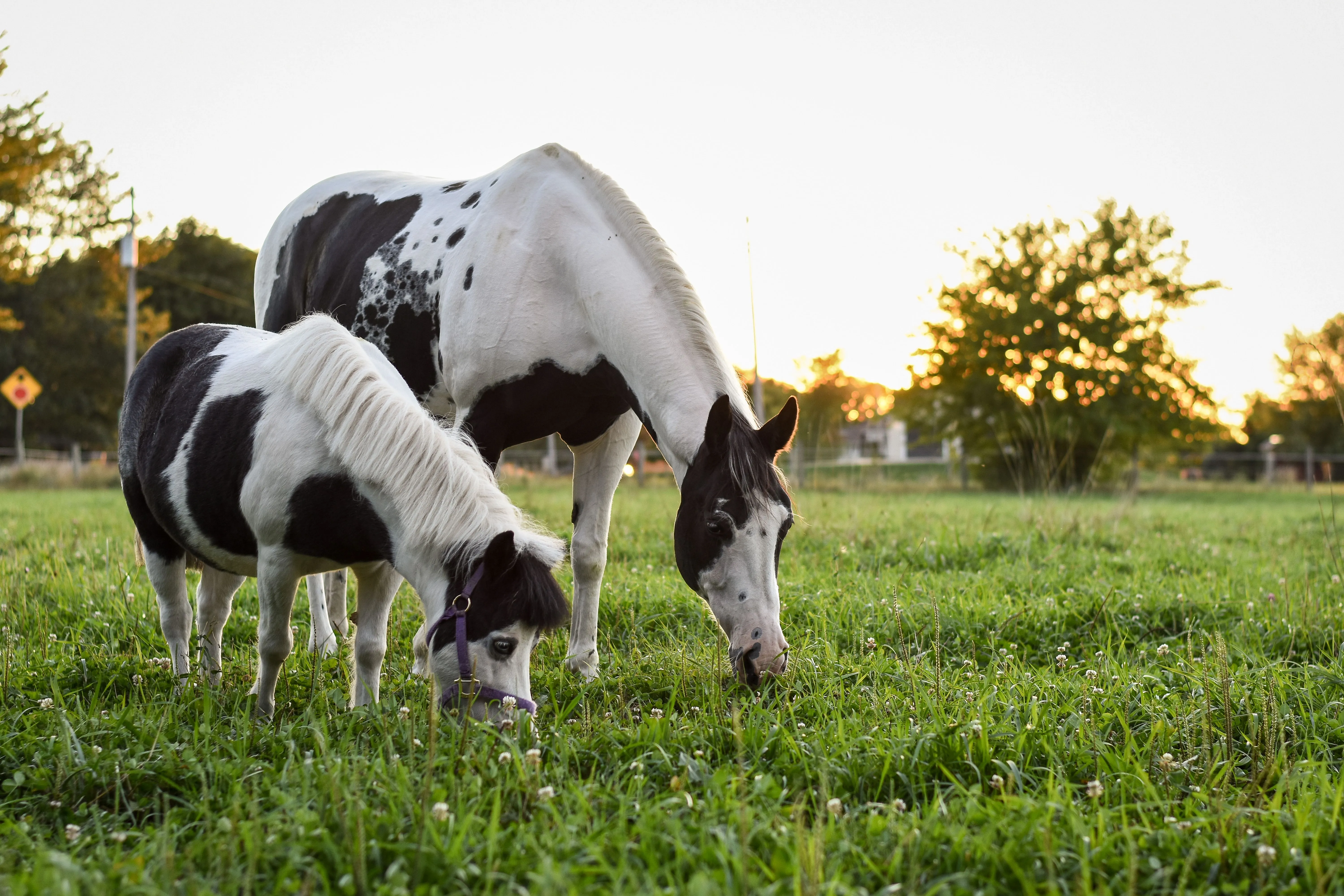
There is considerable variation in height within the horse population. There are tiny ponies, which can be even smaller than some dog breeds, as well as large draught horses, whose height at the withers is often close to 2 metres. While height is to some extent affected by environmental factors, it’s also strongly influenced by genetics. There is not a single gene that determines how tall a horse will eventually become. Rather, the final height of a horse is a result of effects of multiple genes and other factors. Let’s take a look at some of them!
White Markings and their Genetic Background
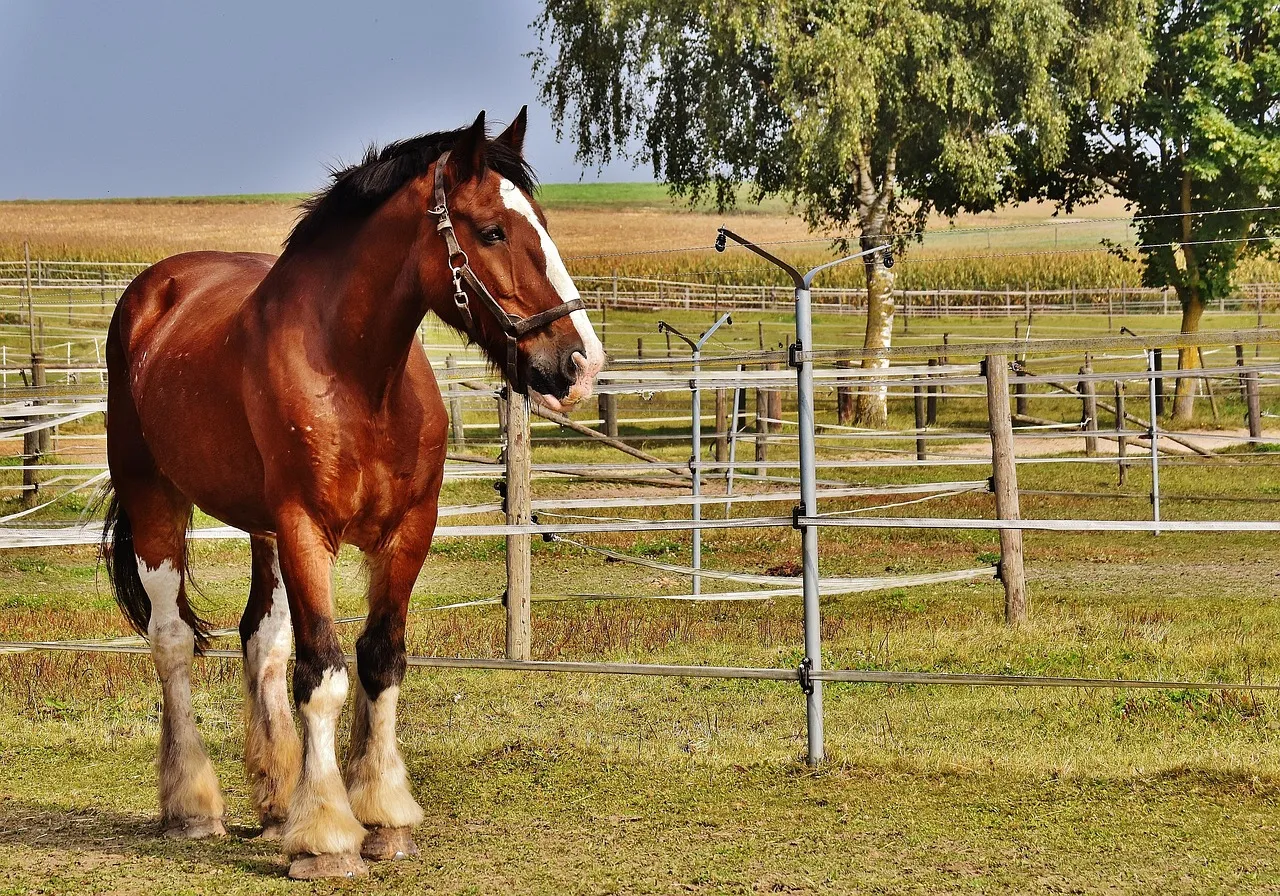
Across the animal kingdom, white markings are thought to be associated with domestication. They are typical for domesticated animals such as dogs, cats, pigs, cows, and horses, in contrast to their wild counterparts. White markings are caused by the absence of melanocytes (pigment-producing cells) in certain body areas, resulting in white hair.
Genetics of Ambling
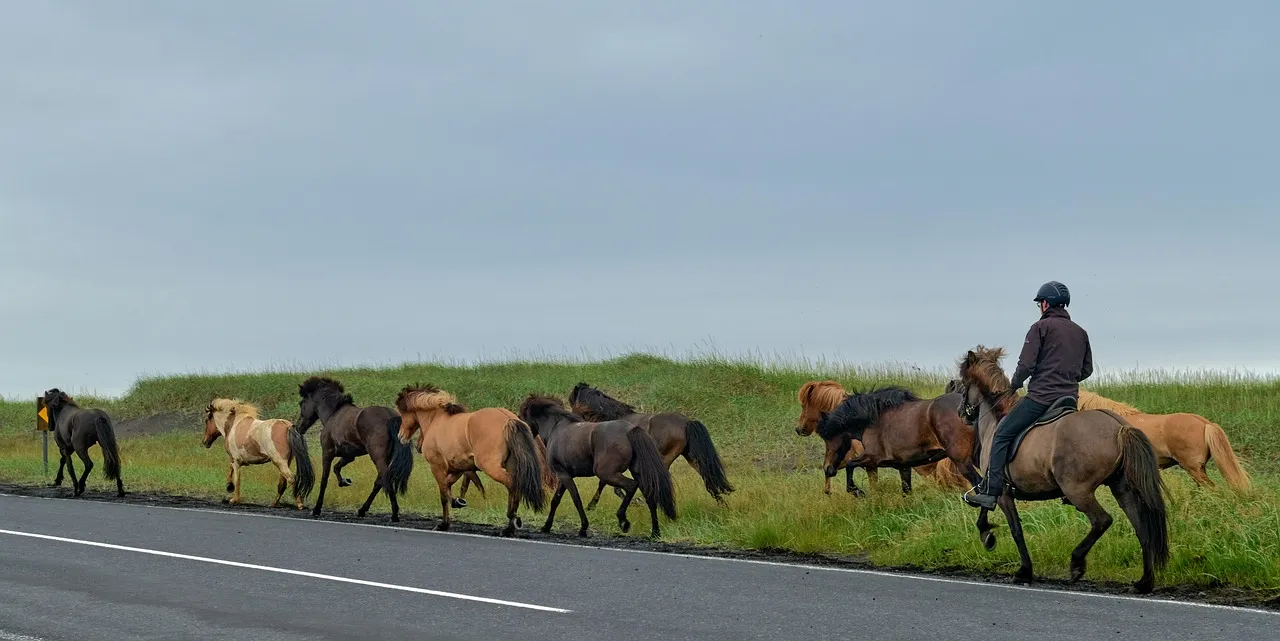
The three basic horse gaits are walk, trot, and canter. Gallop, sometimes considered to be the fourth basic gait, is practically a variant of canter. The main difference between these two gaits is that a canter is a three-beat gait, while a gallop is a faster four-beat gait that covers more ground.
Horses and Heat Stress
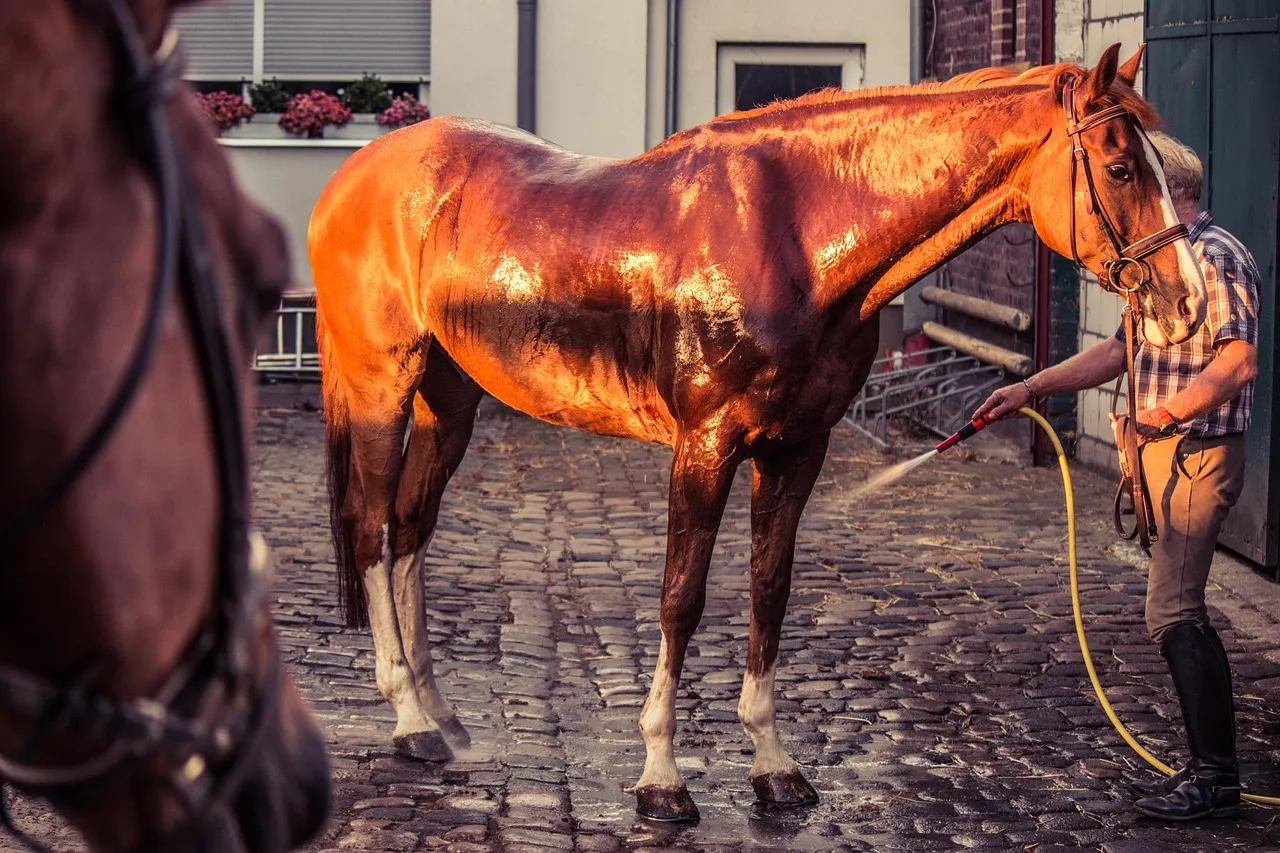
If you’ve ever been around horses during the summer when the temperatures are high, you might have noticed a few things, such as changes in behaviour, seeking shade, drinking more water, sweating, more visible veins under the skin, or a higher respiratory rate. All of these changes are the horses’ way of adapting to the heat.
Equine Blood Types
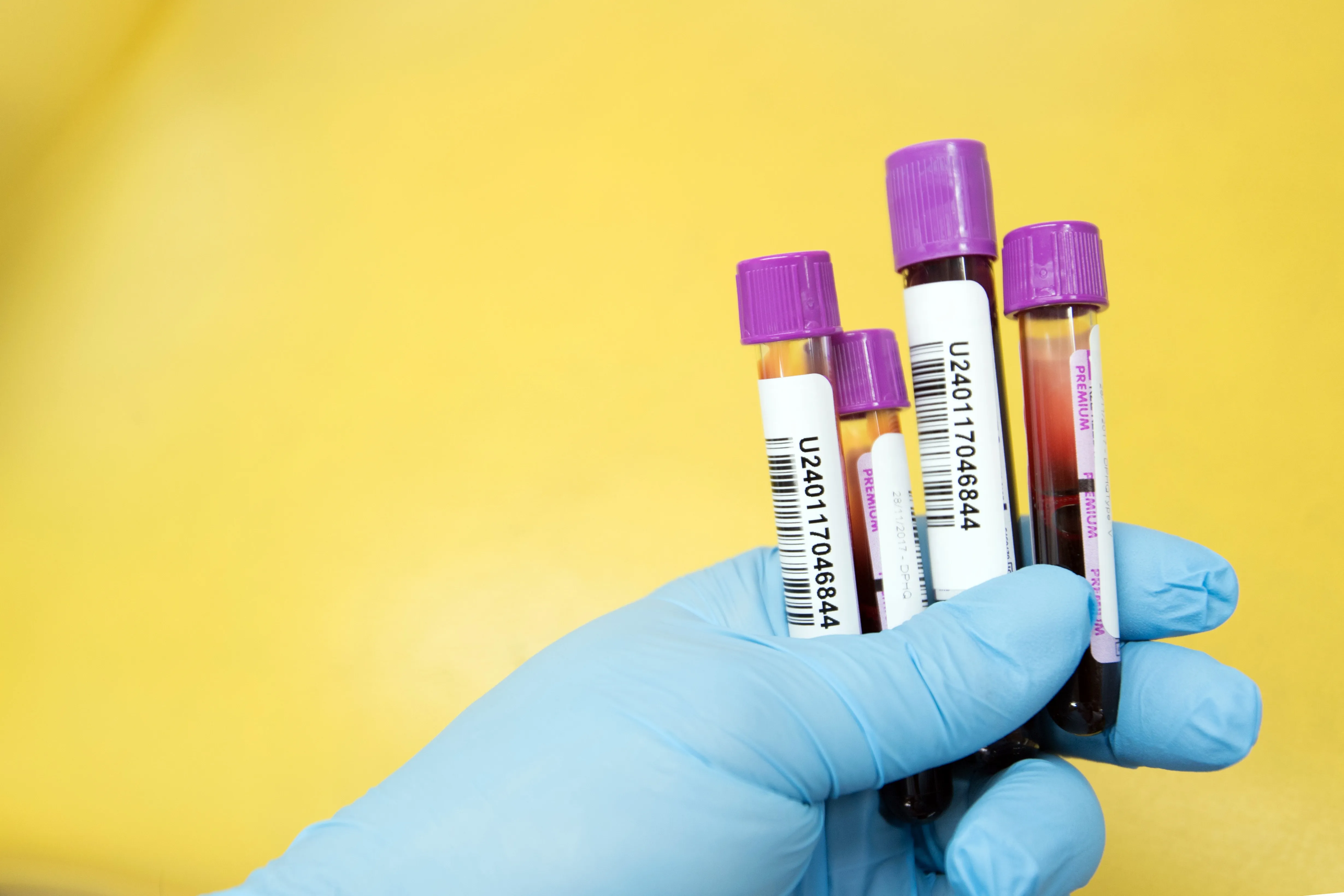
Horses, just like humans and other animal species, have blood types. Blood types are determined by antigen structures on red blood cells and are based on genetic information inherited from one’s parents. You’ve almost certainly heard about the ABO blood group system in humans, which divides our population into four groups – A, B, AB, and O. However, in some animal species, the blood group systems are not as straightforward, and horses are not an exception.
MIM – P8, Px, K1 Variants
MIM (Muscle Integrity Myopathy), previously also known as PSSM2, is a term connected to myopathic episodes in horses. Six different variants have been described in relation to this term.
MIM – P2, P3, P4 Variants
MIM (Muscle Integrity Myopathy), also known as PSSM2 (Polysacharide Storage Myopathy Type 2), is a term connected to myopathic episodes in horses.